




In a world where seamless and personalized communication can define a company’s success, how can innovative telephony solutions transform your network efficiency and deployment ease? Grandstream stands at the forefront, offering high-performance IP phones and centralized management platforms designed for rapid deployment, scalability, and security. Their advanced devices, equipped with HD audio and customizable features, integrate effortlessly with cloud management systems, allowing remote configuration and real-time monitoring across multiple locations. This strategic approach not only streamlines operations but also enhances collaboration, customer service, and operational resilience. As future communication becomes increasingly intelligent and integrated with AI-driven analytics, organizations equipped with these adaptable, secure, and scalable solutions will gain a definitive edge in competitive markets. Are you ready to harness the power of personalized telephony and redefine your business communication for tomorrow’s digital landscape?
Revolutionize Business Communication with Customizable Telephony Solutions
In today’s fast-moving business landscape, clear and adaptable communication is more vital than ever. Companies need tools that not only function reliably but can also be tailored to fit their unique workflows and growth ambitions. Customizable telephony solutions make this possible, offering the flexibility to configure hardware, manage systems in the cloud, and scale deployment as needed. This level of personalization helps teams stay connected, productive, and responsive, regardless of operational complexity.
Innovative devices are transforming the way organizations communicate. Modern IP phones, equipped with high-definition audio and customizable features, integrate seamlessly with existing business tools to streamline conversations. Cloud management platforms allow for remote configuration, monitoring, and updates, reducing the need for manual interventions. These advancements mean faster deployment, easier maintenance, and the ability to adapt communication systems quickly in response to changing business demands.
The power of these solutions lies in their flexibility. Whether teams require advanced call routing, detailed call logs, or mobility features for remote work, telephony systems can be customized to support these needs. This ensures that communication tools enhance daily operations rather than hinder them, creating a smoother flow of information and more efficient decision-making processes. As a result, organizations can build a more resilient and agile communication infrastructure.
Additionally, the shift toward cloud-managed systems simplifies deployment and ongoing management. Centralized control panels enable IT teams to configure hundreds or thousands of devices remotely, monitor performance in real time, and troubleshoot issues without disrupting workflows. This scalability and ease of management make it feasible for organizations of all sizes to maintain a high-quality, reliable communication network that grows with them.
Ultimately, embracing customizable telephony solutions transforms business communication from a routine task into a strategic advantage. It allows organizations to foster better collaboration, improve customer experiences, and stay ahead in competitive markets. By leveraging innovative devices and cloud platforms, companies can create a future-proof infrastructure that supports continuous growth and operational excellence.
Core Principles and Technological Foundations of Modern Telephony
Modern business telephony is built on principles that prioritize scalability, reliability, and adaptability. At its core, it relies on Internet Protocol (IP) technology, which transforms traditional voice signals into digital data packets that travel efficiently across networks. This shift from analog to digital has unlocked new possibilities for customization and integration, allowing businesses to craft communication systems tailored specifically to their needs.
Voice over Internet Protocol (VoIP) plays a central role in this evolution. By transmitting calls over the internet instead of dedicated phone lines, VoIP reduces costs and enhances flexibility. IP phones, for instance, can easily integrate with customer relationship management (CRM) systems and unified communication platforms, streamlining workflows and boosting productivity. This interconnected approach makes communication more seamless and accessible from anywhere.
Scalability has become a defining feature of modern telephony systems. Cloud-based management platforms allow organizations to add, remove, or modify users and features instantly, without hardware upgrades or complex reconfigurations. This level of agility means that as a business grows or shifts its operations, its communication infrastructure can adapt in real time—saving time and reducing operational costs.
Reliability remains paramount, especially for systems supporting mission-critical functions. Advanced features like Quality of Service (QoS) protocols prioritize voice traffic to prevent latency and ensure clear, uninterrupted calls even during peak network usage. Redundant setups and failover mechanisms further guarantee ongoing connectivity, so teams stay connected without disruptions that could impact customer service or internal collaboration.
Managing these systems efficiently is simplified through centralized control panels. IT teams can monitor, configure, and troubleshoot devices across multiple locations from a single interface, reducing operational complexity. Industry standards such as SIP (Session Initiation Protocol) facilitate interoperability between different hardware and software, preventing vendor lock-in and offering flexibility in choosing solutions that best fit organizational needs.
In essence, modern telephony systems blend technological innovation with strategic design, delivering communication solutions that are scalable, reliable, and ready to support the dynamic nature of today’s business environment. This foundation enables organizations to stay connected, responsive, and prepared for future growth.

Enhancing Communication Efficiency and Flexibility with Innovative Devices
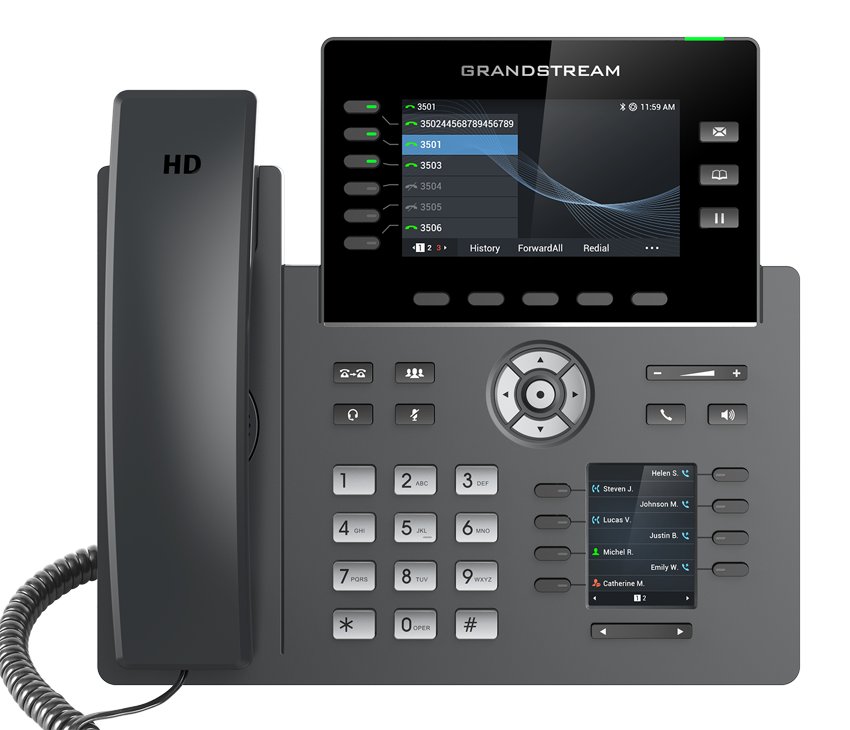
Innovative telephony devices are revolutionizing how businesses communicate by delivering greater efficiency and adaptability. Modern IP phones, like those in Grandstream’s lineup, offer high-definition audio, customizable interfaces, and seamless integration with existing business tools. These features enable quick deployment and simplified management, especially when paired with centralized systems like Grandstream’s Device Management System (GDMS). This setup allows organizations to remotely configure, update, and monitor hundreds or even thousands of phones, drastically reducing setup time and operational complexity.
Cloud-managed systems elevate this flexibility further. They empower IT teams to remotely adjust device settings, monitor performance in real time, and troubleshoot issues without needing to visit each location. This streamlined approach not only saves time but also helps keep communication systems current and secure with minimal disruption. As companies grow or pivot, they can effortlessly scale their telephony infrastructure—adding new lines, features, or supporting remote teams—without sacrificing quality or security.
The shift toward cloud and IP-based solutions also enhances collaboration. Unified communication platforms combine voice, video, messaging, and conferencing into a single interface, enabling teams to switch channels smoothly. Whether employees are in the office or working remotely, this integration promotes faster decision-making and more responsive customer service. It simplifies the management of multiple communication channels, fostering clarity and cohesion across daily operations.
Devices like Grandstream’s mass deployment IP phones are designed for large-scale rollouts across diverse locations. Pre-configured for easy setup, these phones ensure consistent performance and security standards. Centralized management platforms enable IT teams to push updates, customize features, and troubleshoot remotely, reducing downtime and operational costs. This scalable approach helps organizations maintain a unified, reliable communication network regardless of size or geography.
The move toward cloud management and innovative hardware also supports network optimization. Features like Quality of Service (QoS) prioritize voice traffic, ensuring clear calls even during peak usage. Built-in bandwidth management and security protocols protect voice streams from interference and cyber threats, securing communication channels and maintaining high quality. These tools give IT teams confidence that their systems are both resilient and safe.
Flexibility and customization are at the heart of these solutions. Whether tailoring call routing, integrating with existing software, or designing user-friendly interfaces, these devices adapt to unique organizational needs. This level of personalization transforms communication from a routine function into a strategic asset, enabling more meaningful collaboration and improved customer experiences.
By adopting these innovative devices and management solutions, businesses can build a future-proof communication environment. The ability to deploy, scale, and secure systems quickly and easily ensures they stay agile in a rapidly changing landscape. In this way, advanced telephony isn’t just about technology—it’s a catalyst for operational excellence and competitive advantage.
Grandstream’s Cutting-Edge Devices and Management Systems Drive Seamless Connectivity
Grandstream stands at the forefront of modern telephony by offering a comprehensive suite of devices and management solutions designed for seamless, reliable communication. Their IP phones, especially the popular GRP series, combine high-quality audio with extensive customization options, making them suitable for organizations of all sizes. These phones are engineered for quick deployment and effortless management, particularly when integrated with Grandstream’s centralized Device Management System (GDMS). This platform simplifies configuration, provisioning, and ongoing monitoring, saving time and reducing operational complexity.
What truly sets Grandstream apart is how its hardware integrates smoothly with advanced management tools. Their IP phones support high-definition audio, programmable keys, multiple lines, and Ethernet ports—features that enhance productivity and user experience. With cloud provisioning, IT teams can remotely configure, update, and monitor thousands of devices from a single interface, ensuring uniform performance and security across deployments. This scalability makes Grandstream an ideal partner for businesses aiming to expand without the headaches of manual setups.
Beyond individual devices, Grandstream provides mass deployment solutions that are pre-configured for rapid setup across multiple locations. Whether for small branches or large enterprises, these solutions ensure consistent performance and security standards. The centralized management platform allows for real-time device monitoring, remote troubleshooting, and software updates, minimizing downtime and operational costs. This unified approach helps organizations maintain a reliable, high-quality communication network regardless of size or geographic spread.
Cloud management is a cornerstone of Grandstream’s strategy. Its platforms enable remote control over deployment, configuration, and maintenance, which is especially valuable for dispersed teams or multi-site setups. IT teams can push updates, customize features, and troubleshoot issues from a single, intuitive interface. This level of control enhances agility, allowing businesses to adapt swiftly to changing needs without onsite visits or complex procedures.
Network optimization tools are integrated into Grandstream’s solutions to ensure call quality and system resilience. Features like Quality of Service (QoS) prioritize voice traffic, preventing latency during busy periods. Built-in bandwidth management and security protocols protect voice streams from interference and cyber threats, safeguarding communication channels and maintaining high standards of security. These tools give IT teams confidence that their telephony systems are both reliable and secure.
Flexibility and customization are central to Grandstream’s offerings. Whether tailoring call routing, integrating with existing business software, or designing user interfaces that suit operational needs, their solutions adapt seamlessly. This personalized approach transforms communication from a routine task into a strategic advantage, fostering better collaboration and elevating customer interactions.
At its core, Grandstream’s role is about empowering organizations with tools that are as flexible and innovative as the businesses themselves. Their hardware and management systems work together to create a unified, scalable, and secure communication environment. This synergy supports growth, enhances operational efficiency, and prepares companies for future technological advancements.
By combining cutting-edge devices with intelligent management platforms, Grandstream enables businesses to build communication networks that are resilient, adaptable, and easy to control. Their solutions turn complex deployment challenges into straightforward processes, making high-quality communication accessible and manageable at any scale. This strategic focus helps organizations stay connected, responsive, and competitive in today’s fast-changing digital landscape.

Future of Business Communication: Personalization, AI Insights, and Network Innovation
As we look ahead, the future of business communication is set to become even more integrated and personalized. Cloud platforms will continue to evolve, offering intuitive interfaces that allow organizations to customize features and scale their systems effortlessly. AI-driven analytics will provide real-time insights into call quality, user engagement, and network performance, enabling businesses to optimize operations proactively rather than reactively. This shift will empower companies to craft communication systems that align precisely with their workflows, security requirements, and industry-specific needs.
Personalization will go beyond simple customization, enabling organizations to tailor their communication environments down to individual user preferences and operational contexts. Whether it’s integrating with customer relationship management tools, deploying secure channels for sensitive discussions, or designing user interfaces that enhance productivity, adaptability will be a defining trait. This flexibility will foster deeper collaboration across departments and geographies, transforming communication infrastructure into a strategic asset that fuels growth and innovation.
Network efficiency will see significant advancements through intelligent traffic prioritization, bandwidth management, and enhanced security protocols. Features like Quality of Service (QoS) will become standard, ensuring that voice and video calls maintain clarity even during peak network usage. Real-time monitoring and automated threat detection will strengthen defenses against cyber threats, safeguarding sensitive data and maintaining uninterrupted service. As these tools become more sophisticated, organizations will enjoy more reliable, secure, and high-quality communication channels.
Organizations that embrace these emerging trends will gain a distinct competitive edge. A future-proof infrastructure will support faster onboarding, seamless updates, and resilient service delivery—even for remote and hybrid teams. This agility will enable companies to respond swiftly to market shifts and customer demands, turning communication systems into powerful drivers of operational excellence. The ability to adapt quickly and securely will be crucial in a landscape where speed and responsiveness define success.
Investing in next-generation solutions now will lay the foundation for sustained innovation. Smarter network management and personalized telephony will streamline workflows, improve customer experiences, and enhance internal collaboration. These advancements will make communication more than just a tool—they will become a key strategic differentiator that fosters resilience, efficiency, and growth. Organizations that stay ahead of these technological developments will be better positioned to thrive in an increasingly digital and interconnected world.
This ongoing evolution underscores the importance of flexibility and foresight. Businesses that prioritize scalable, customizable, and secure communication systems will be able to navigate future challenges with confidence. As new features and capabilities continue to emerge, the organizations that leverage them will build resilient, agile networks capable of supporting continuous innovation. In this dynamic environment, embracing personalized telephony isn’t just a technological upgrade—it’s a strategic move that powers competitive advantage.
By investing in these advancements today, companies can unlock new levels of operational efficiency and customer engagement. Seamless, tailored communication will help teams work smarter, serve customers more effectively, and adapt swiftly to changing circumstances. As technology continues to push the boundaries of what’s possible, those who harness its potential will shape the future of work, turning their communication infrastructure into a foundation for sustained success and growth.