




Underground street racing is more than a high-speed adrenaline rush; it’s a powerful culture rooted in loyalty, brotherhood, and rebellion. Each clandestine race transforms quiet streets into arenas of trust and shared identity, where crews operate like families built on secrets, respect, and mutual support. From its roots in decades-old gatherings to today’s digital-driven community, the scene has evolved into a symbol of resilience for those seeking recognition outside mainstream channels. Despite safety concerns and legal crackdowns, the bonds formed behind the wheel often last a lifetime, extending into everyday life. As technology advances and social attitudes shift, could this fierce brotherhood adapt responsibly without losing its rebellious spirit? Whether in the shadows or the light of modern society, underground racing continues to forge unbreakable connections, proving that speed and loyalty can create a community stronger than the race itself.
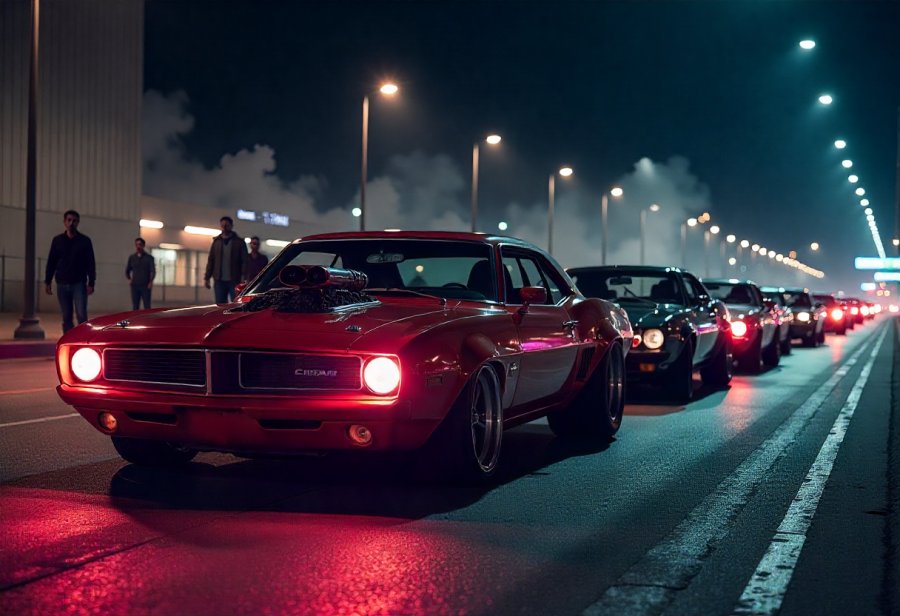
Underground Street Racing: A Culture of Speed, Loyalty, and Rebellion
Underground street racing isn’t just about speed; it’s a vibrant, pulsating culture that thrives in the shadows of city life. Each night, enthusiasts gather in secret spots—abandoned lots, back alleys, or quiet industrial zones—transforming ordinary streets into makeshift racetracks. The scene pulses with energy, fueled by the roar of engines, revving tires, and a shared love for pushing boundaries beyond what official circuits allow. It’s a high-stakes dance with danger, where adrenaline and community intertwine.
What sets this culture apart is its deep sense of belonging. Racers don’t just compete—they form bonds rooted in loyalty, respect, and brotherhood. Crews operate like families, built on trust and shared secrets. Whether it’s late-night tuning sessions or secret handshakes, these rituals forge a connection that runs far deeper than individual victories. The streets become a space where loyalty is tested and strengthened, with each member supporting the others through risks and challenges.
At its core, underground racing is about more than just raw horsepower. It’s a form of self-expression and rebellion, especially for those in neighborhoods where mainstream recognition feels out of reach. Car modifications, custom paint jobs, and unique styles become symbols of identity, pride, and resilience. These activities foster a sense of independence, turning street racing into a way for young people to carve out their own space—one built on defiance, creativity, and community.
Despite its illegal status, the scene continues to evolve, propelled by social media, online forums, and media portrayals. Videos of midnight races and crew camaraderie circulate worldwide, inspiring newcomers and expanding the global underground community. This digital presence helps preserve the culture’s core values—loyalty, brotherhood, and shared passion—while adapting to modern technology and social shifts. It’s a culture rooted in rebellion but fueled by connection.
The appeal of underground racing isn’t solely about the thrill of the race; it’s about forging a family. The bonds formed in the heat of competition often last a lifetime, extending beyond the streets and into everyday life. In a world that often feels divided, these racers find unity through speed, secrets, and shared risks. Their culture is a testament to how adrenaline-fueled pursuits can create communities built on trust, loyalty, and an unbreakable sense of kinship.
Roots of Resistance: The Origins and Structure of Street Racing Communities
Underground street racing has deep roots that go back decades, evolving from loose, spontaneous gatherings into organized communities with their own customs, hierarchies, and traditions. It all began as a way for car enthusiasts to showcase their modifications and driving skills outside the constraints of official racing circuits. In the 1960s and ’70s, American muscle cars and Japanese imports became symbols of rebellion, often racing in quiet neighborhoods or deserted industrial areas where secrecy was essential. Over time, these informal meets grew into tight-knit crews, each developing their unique identity through car styling, rituals, and shared values.
As technology advanced, so did the scene. Car tuning became more sophisticated, with aftermarket parts, digital tuning tools, and high-performance upgrades turning everyday vehicles into racing machines. This technical progress made organizing races easier, as crews shared knowledge online or through word of mouth. Videos of high-speed runs and crew camaraderie circulated widely, drawing newcomers from around the world and fueling a global underground community. The scene’s evolution was driven by a mix of innovation, rebellious spirit, and a desire for recognition.
Within these communities, clear social roles and hierarchies help maintain order amid the chaos. Respected figures, often called the “boss” or “alpha,” oversee organized events and enforce unspoken rules. Members tend to specialize in different areas—tuning, scouting, logistics—each contributing to the crew’s strength and reputation. Respect, loyalty, and secrecy are core principles, with members expected to protect one another’s interests and reputation. These customs and rituals create a sense of discipline and belonging, allowing the scene to thrive despite external pressures.
Cultural influences continue to shape street racing’s identity. Films like the Fast and Furious franchise glamorized the high-speed lifestyle, while Japanese drifting and California street racing legends added style and flair. Today’s scene blends rebellious instincts with technological innovation, creating a vibrant tapestry of traditions that reinforce loyalty and community. Night races in abandoned zones or underground tapes have become legendary moments that cement street racing’s status as more than just a hobby—it’s a symbol of youthful defiance and brotherhood.
Despite ongoing legal crackdowns and safety concerns, underground street racing remains vibrant and evolving. Its roots in rebellion and community continue to inspire new enthusiasts who prioritize loyalty and brotherhood above all. Modern technology, social media, and shifting social attitudes are shaping its future, offering the potential for safer, more organized events that still preserve the culture’s core values. This adaptability helps ensure the scene’s longevity, keeping alive the spirit of defiance and connection that defines it.
The evolution of street racing reflects a broader desire for identity, belonging, and respect—especially in urban environments where traditional pathways to recognition are limited. It’s about more than just speed; it’s about forging a kinship rooted in shared risks, secrets, and loyalty. This sense of brotherhood often extends beyond the streets, creating lifelong bonds that withstand external pressures and internal rivalries. The community’s strength lies in its loyalty, resilience, and the unbreakable ties formed behind the wheel.
Today, underground racing stands as a testament to youthful rebellion and resilience. It’s a culture built on passion, trust, and brotherhood that has persisted through decades of change. While its roots are in defiance, its future may involve more structured, responsible forms of expression—without losing the raw energy and deep connections that make the scene so unique. For many, it remains a vital part of their identity, a high-octane brotherhood that continues to thrive in the shadows of the city.
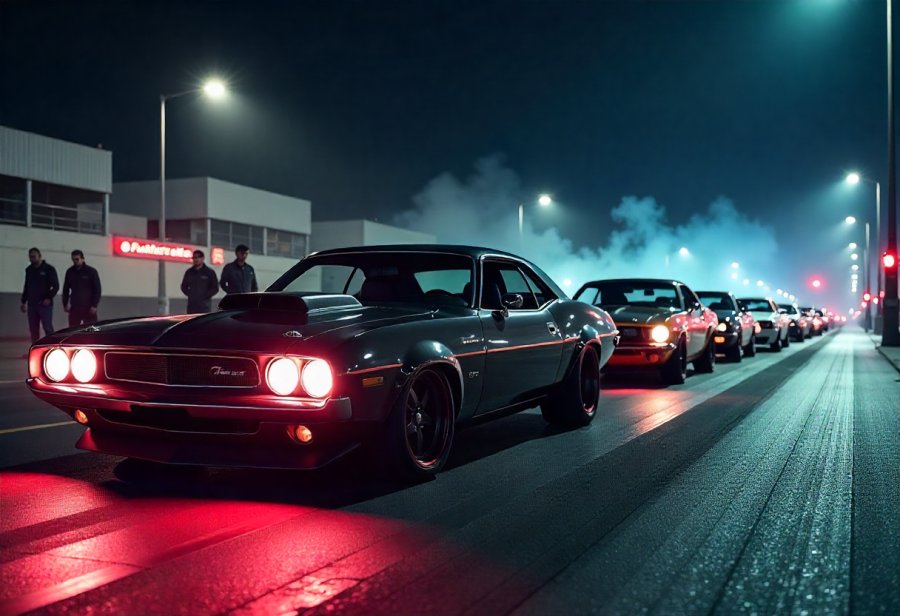
Modern Urban Rebellion: Perspectives and the Cultural Impact of Street Racing
Street racing today exists at a crossroads of rebellion and modern urban culture. For many young enthusiasts, it remains a powerful act of defiance—an assertion of independence and identity in neighborhoods where mainstream recognition feels out of reach. Car mods, secret races, and street style are more than just hobbies; they’re symbols of pride, resilience, and self-expression that help carve out a space for those who feel overlooked or marginalized.
At the same time, authorities and safety advocates view street racing through a critical lens. The dangers are real—high-speed crashes, injuries, property damage—and these incidents often prompt law enforcement crackdowns and public safety campaigns. This tension fuels ongoing debates about how to regulate or curb illegal racing without stripping away the community bonds that give it meaning. Despite efforts to control the scene, it persists, driven by a collective need for connection, adrenaline, and belonging.
Loyalty remains at the heart of underground racing. Racers trust each other implicitly, sharing secrets about car modifications, race strategies, and personal struggles. These bonds extend beyond the thrill of the race, creating a sense of family that supports members both on and off the street. Rituals like late-night meetups, secret signals, and shared knowledge deepen these relationships, turning fleeting moments into lifelong friendships rooted in mutual respect and loyalty.
Night racing sessions amplify this sense of brotherhood. Under cover of darkness, racers experience heightened camaraderie amid the risks. Supporting each other through technical challenges or offering moral encouragement during races strengthens the trust that forms the backbone of the community. These shared experiences foster a culture where loyalty and mutual support trump individual glory, turning street racing into a form of kinship that endures beyond the engine roar.
Despite ongoing safety concerns and legal pressures, underground street racing continues to influence urban culture. It shapes fashion, music, and social identity, serving as a symbol of resistance and resilience. For many, it’s a space where style, loyalty, and independence collide—a form of self-empowerment that defies societal expectations. This cultural footprint keeps the scene relevant, inspiring new generations to see speed not just as a thrill, but as a way to forge identity and community.
Looking ahead, technological advances and shifting attitudes could reshape the future of underground racing. More organized, safer events might emerge that preserve its core sense of brotherhood while reducing risks. Innovations in car safety, communication, and digital platforms could help maintain the community’s integrity, making it more inclusive and responsible without sacrificing the raw energy and loyalty that define it. Such evolution promises to keep the scene alive and meaningful, even as the landscape around it changes.
What remains clear is that underground street racing is more than just a pursuit of speed. It’s a social fabric woven with trust, secrets, and shared risks—creating bonds that often last a lifetime. The loyalty and brotherhood formed behind the wheel transcend the adrenaline rush, serving as a testament to the enduring human desire for connection and belonging. Amid legal crackdowns and societal shifts, this culture persists, driven by a passion for speed and the unbreakable ties of kinship that keep it thriving across generations.
Joining the Ranks: How to Engage with and Respect the Street Racing Scene
Getting involved in street racing communities starts with genuine respect and a real passion for cars. If you’re new, begin by observing from a distance—attend local meets, visit tuning shops, or browse online forums to understand the scene’s unspoken rules and customs. Building trust takes time, so approach seasoned racers with humility and a willingness to learn. Showing sincere interest and patience will help you earn respect and open the door to deeper connections within the community.
Safety and responsibility should always come first. Responsible participation means avoiding reckless driving and illegal activities that could endanger lives or lead to legal trouble. Instead, focus on learning proper driving techniques, car handling, and tuning skills. Offering help with maintenance or sharing useful tips demonstrates your dedication and respect for the scene’s customs. Earning trust through responsible actions helps you become a valued member of the brotherhood.
Joining a crew often involves more than just showing up; it’s about embracing shared values and rituals. Many crews have unwritten codes—secrets about respecting rivals, protecting each other’s cars, and maintaining secrecy about race locations. Small acts like helping organize a meet or sharing modification advice reinforce bonds and foster a sense of belonging rooted in loyalty and mutual support. These shared rituals turn casual acquaintances into part of a tight-knit family.
Night races and clandestine meetups are more than just adrenaline-fueled competitions—they’re opportunities to build trust and camaraderie. Supporting each other through technical challenges or offering moral encouragement during races deepens bonds that extend beyond the streets. These moments of shared risk and excitement forge lifelong friendships rooted in loyalty, resilience, and mutual respect.
Social media has transformed how these communities connect and grow. Sharing videos of races, modifications, and crew activities helps build reputation and attract new members worldwide. Digital platforms amplify the scene’s sense of belonging, pride, and identity, allowing enthusiasts to learn from each other’s experiences and expand their networks. This online presence keeps the culture vibrant and evolving, while still grounded in core values of loyalty and brotherhood.
Engaging responsibly means embodying the principles of respect, trust, and loyalty. Learning from experienced members, practicing patience, and prioritizing safety show your commitment to the scene’s integrity. Genuine dedication earns you a place within the brotherhood, ensuring the bonds formed behind the wheel are strong and authentic. This culture thrives on shared passion and mutual support, where small acts of kindness and respect create a foundation that withstands external pressures and internal rivalries.
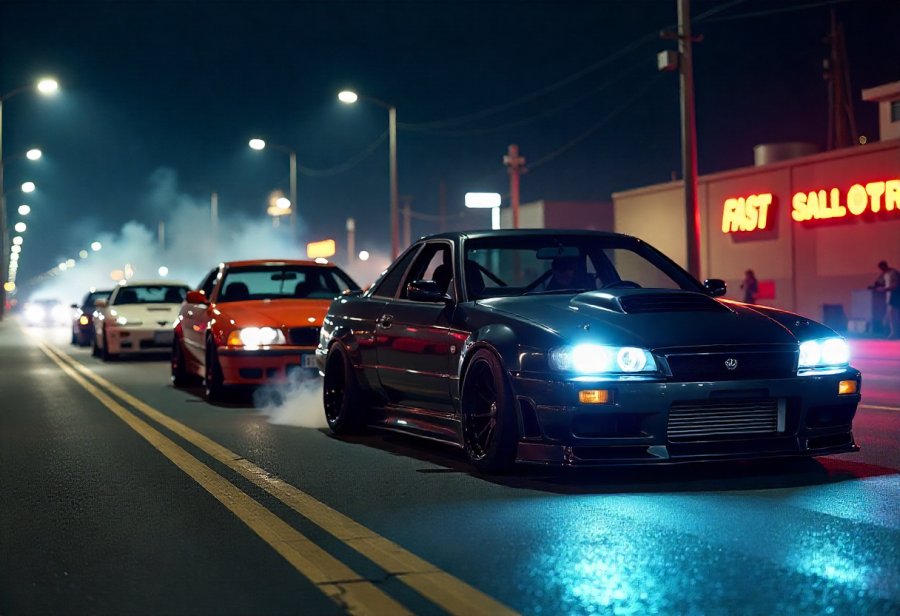
The Road Ahead: Reflections on Culture, Loyalty, and Future of Underground Racing
Underground street racing has evolved into more than just a pursuit of adrenaline; it has become a powerful cultural force grounded in loyalty, brotherhood, and shared passion. The connections forged in midnight races often extend far beyond the streets, creating a sense of family built on trust and mutual respect. These bonds are what transform individual drivers into a resilient community that values loyalty and resilience above all else, providing support not only during high-speed moments but in everyday life as well.
The roots of street racing stretch back decades, originating as spontaneous gatherings where enthusiasts could freely showcase their cars and driving skills outside the constraints of official circuits. Over time, these informal meets matured into organized crews with distinct customs, hierarchies, and rituals. Cars transitioned from stock models to highly personalized machines, each reflecting the style and identity of its crew, driven by a rebellious spirit that continues to shape the scene’s evolution.
Today, street racing remains a reflection of urban youth culture—an act of rebellion that offers a space for style, loyalty, and independence. Despite ongoing legal crackdowns and safety concerns, the scene persists because it addresses a fundamental human desire for connection and recognition. The loyalty among racers creates a sense of belonging that sustains the community through shared risks, secrets, and experiences that often turn into lifelong friendships rooted in trust and resilience.
Looking ahead, advances in technology and shifting social attitudes have the potential to reshape underground racing. Safer, more organized events may emerge that retain the core sense of brotherhood while reducing risks. Innovations in car safety, digital communication, and community platforms could help preserve the scene’s authenticity, making it more inclusive and sustainable without losing its rebellious energy. This evolution might allow the culture to thrive responsibly, balancing tradition with modernity.
What remains clear is that the essence of underground street racing lies in its ability to forge unbreakable bonds amid adrenaline-fueled chaos. The loyalty, secrets, and shared risks become the foundation of lifelong kinship, transcending mere speed to create a culture rooted in resilience and mutual support. Despite external pressures, these connections continue to thrive across generations, proving that the true power of this scene isn’t just in the cars, but in the brotherhood they inspire.
This enduring community exemplifies how a high-octane passion can foster deep, lasting relationships that withstand societal shifts and legal challenges. It’s a testament to the human need for belonging—where speed is a catalyst, but loyalty is the real engine driving the culture forward. As the scene adapts and evolves, its core principles of trust and brotherhood remain unchanged, ensuring that underground racing will continue to be a symbol of resilience, rebellion, and unbreakable kinship.