




In an era where communication is the backbone of business success, customizable telephony solutions like those from Grandstream are revolutionizing network efficiency and deployment speed. These advanced devices enable organizations to build scalable, flexible systems tailored to their unique needs, supporting growth and remote work seamlessly. But how do these innovations truly transform operational agility? By centralizing management through tools like GDMS and integrating cloud platforms, businesses can deploy, monitor, and troubleshoot hundreds or thousands of endpoints effortlessly—reducing downtime and manual effort. The shift from traditional landlines to cloud-managed systems isn’t just a technological upgrade; it’s a strategic necessity. With features like Quality of Service and remote provisioning, organizations ensure crystal-clear calls and rapid expansion, even across dispersed teams. As telephony continues to evolve with AI and high-speed connectivity, the question remains: can your communication infrastructure keep pace with the demands of today’s fast-changing landscape?
Revolutionize Your Business Communication with Customizable Telephony Solutions
In today’s fast-moving business environment, effective communication isn’t just a bonus—it’s a necessity. Companies need systems that can adapt quickly to changing needs, support growth, and keep everyone connected without missing a beat. Traditional phone setups, often tied to fixed hardware and limited features, can hinder progress, especially when agility is key. These legacy systems tend to be rigid, making it difficult to add new users, integrate digital tools, or update workflows without costly disruptions. As businesses strive to stay competitive, the demand for smarter, more flexible communication solutions has never been higher.
This is where customizable telephony systems come into play. Unlike standard, one-size-fits-all setups, these tailored solutions are designed specifically around an organization’s unique needs. Whether a small startup requiring straightforward call management or a large enterprise managing hundreds of endpoints, personalized systems help optimize every aspect of communication. They allow seamless call routing, voicemail management, and integration with digital platforms—features that improve workflow and reduce frustrations. When communication tools are aligned with daily operations, teams work more efficiently, and customer experiences become smoother.
A major advantage of personalized telephony solutions is their scalability. As a business grows or shifts focus, its communication infrastructure can evolve without major overhauls. Devices and features can be added or removed effortlessly, supporting expansion into new markets or the onboarding of new teams. Modern systems, like those offered by Grandstream, are built with future-proofing in mind, supporting remote updates and feature enhancements that can be deployed centrally. This flexibility ensures that organizations can keep pace with their growth without being bogged down by outdated hardware or complex reconfigurations.
Beyond scalability, these solutions come with powerful management tools that simplify deployment and ongoing maintenance. Centralized platforms, such as Grandstream’s Device Management System (GDMS), let IT teams configure, monitor, and troubleshoot devices from a single dashboard. This streamlines operations, reduces manual effort, and minimizes downtime. Whether deploying hundreds of phones across multiple locations or managing remote workers, these tools make it easy to keep communication channels reliable and consistent. Remote provisioning capabilities mean updates and adjustments can happen quickly, without on-site visits, saving time and resources.
The rise of cloud-based telephony platforms further enhances the benefits of customized solutions. These platforms enable organizations to manage their entire communication network from anywhere, offering real-time updates and remote troubleshooting. As remote and hybrid work models become the norm, having a flexible, cloud-managed system is essential. It allows businesses to add new devices, update features, and troubleshoot issues on the fly—quickly adapting to changing circumstances. In this way, cloud-based systems not only support operational agility but also create a competitive edge in today’s fast-evolving marketplace.
Ultimately, investing in customizable telephony isn’t just about upgrading hardware; it’s about transforming how organizations communicate. Tailored systems empower businesses to design workflows that fit their specific needs, support growth, and remain adaptable amid technological advances. By choosing flexible, scalable solutions, organizations foster better collaboration, deliver superior customer service, and stay ahead of competitors. As the next sections will explore, innovative devices from Grandstream play a crucial role in making these personalized solutions a reality, ensuring communication remains seamless, efficient, and future-ready.

Unveiling Grandstream’s Versatile Telecom Device Ecosystem for Every Deployment Need
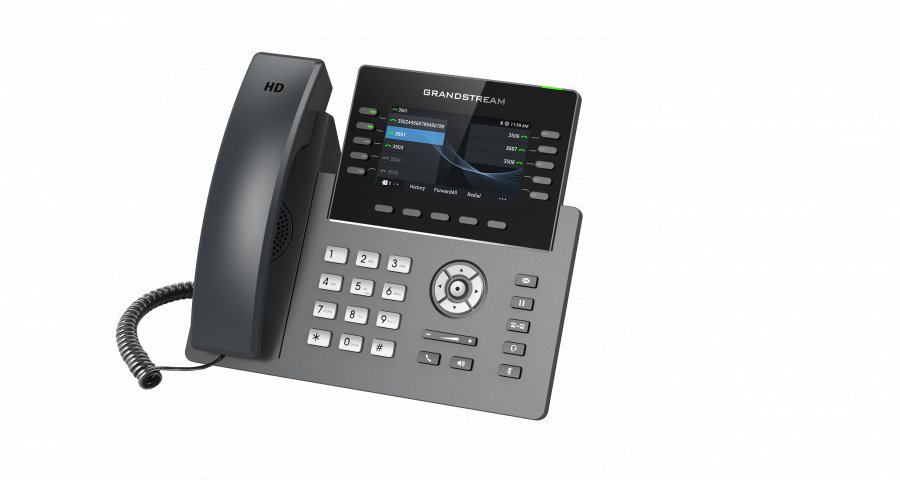
Grandstream’s telecom device ecosystem offers a versatile and comprehensive range of telephony solutions tailored to meet the diverse needs of today’s dynamic organizations. From simple desk phones to advanced IP devices, each product is designed with flexibility and reliability in mind, ensuring seamless integration into various deployment environments. Whether supporting small teams or large-scale enterprise networks, Grandstream’s lineup provides the tools necessary to build a robust and efficient communication infrastructure.
One of the key strengths of Grandstream’s devices is their scalability. Their product range includes models equipped with features like programmable keys, broad compatibility with VoIP platforms, and support for digital and cloud-based systems. This versatility allows organizations to expand their telephony network effortlessly as they grow, without the need for costly hardware replacements or complex reconfigurations. The ability to easily add or upgrade endpoints helps maintain business agility and ensures the communication system evolves alongside organizational needs.
Centralized management plays a crucial role in simplifying deployment and ongoing maintenance. Grandstream’s Device Management System (GDMS) enables IT teams to configure, monitor, and troubleshoot hundreds or even thousands of devices remotely from a single interface. This streamlined approach reduces manual effort, minimizes downtime, and guarantees consistency across all endpoints. Whether rolling out new devices across multiple locations or managing remote workers, GDMS provides the control and visibility needed to keep communication flowing smoothly.
Interoperability is another cornerstone of Grandstream’s ecosystem. Their devices are designed to work seamlessly with a wide range of VoIP systems, PBXs, and cloud platforms. This compatibility protects existing investments and allows for hybrid setups that combine traditional and modern solutions. Organizations can transition gradually, integrating new hardware without disrupting their current infrastructure, which makes upgrading less risky and more cost-effective.
Deployment simplicity is baked into many of Grandstream’s devices. Many models feature plug-and-play setup processes, enabling quick and easy installation even for non-technical staff. For larger deployments, mass provisioning tools automate configuration, ensuring consistency and significantly reducing deployment time. This approach not only accelerates rollout schedules but also minimizes errors, providing a professional and cohesive look across all communication endpoints.
Network performance optimization is supported through features like Quality of Service (QoS) and built-in monitoring tools. These capabilities prioritize voice traffic, helping maintain high call quality during busy periods. IT teams can proactively track bandwidth usage, identify potential issues, and resolve them before they impact users. This focus on performance ensures that voice communication remains clear and reliable, supporting both internal teamwork and customer interactions without interruption.
Grandstream’s device ecosystem empowers organizations to craft personalized, scalable communication networks that adapt to evolving needs. Its combination of flexible hardware options, centralized management, and broad compatibility makes it easier than ever to deploy, manage, and expand telephony systems. As remote work and digital collaboration become the norm, these devices provide the foundation for resilient and future-proof communication infrastructure, helping businesses stay connected, efficient, and ready for growth.

Embracing the Future: How Flexible, Scalable Telephony Shapes Modern Business Strategies
The landscape of business communication is evolving faster than ever, driven by technological innovations and shifting workplace expectations. Traditional landline systems, once the backbone of corporate connectivity, now feel outdated in a world that demands agility and real-time adaptability. Companies are increasingly turning to cloud-managed telephony solutions that offer the flexibility to scale rapidly, support remote work, and integrate seamlessly with digital tools. The push toward more adaptable systems isn’t just a trend; it’s a strategic shift essential for maintaining competitiveness in today’s fast-paced environment.
Cloud platforms like those offered by Grandstream enable organizations to oversee their entire communication network from anywhere. This centralized control simplifies deployment, updates, and troubleshooting, drastically reducing downtime and manual effort. As teams become more dispersed—working from home, in different offices, or across time zones—the ability to add new users or modify features instantly becomes a key advantage. This kind of agility allows businesses to respond quickly to market changes or operational needs without the delays associated with hardware overhauls.
The decline of traditional PBX hardware marks a significant turning point. Organizations now favor software-driven, cloud-based telephony that supports remote and hybrid work models without sacrificing call quality or reliability. Employees can connect from various locations using the same system, ensuring seamless collaboration regardless of where they are. This shift not only enhances internal productivity but also improves customer interactions—making sure that support lines remain open and efficient, even during peak times or unexpected disruptions.
Advances in connectivity, such as 5G, and emerging technologies like artificial intelligence and integrated VoIP services, further transform telephony. 5G’s high bandwidth enables sharper video calls and more stable connections, even in areas with weaker signals. AI-powered analytics deliver deeper insights into customer interactions, allowing organizations to personalize service and streamline workflows. These innovations turn scalable telephony from a mere communication tool into a competitive asset that can deliver operational insights, improve service quality, and foster innovation.
Deployment practices now prioritize speed and simplicity. Large-scale rollouts utilize automation tools that configure hundreds or thousands of devices simultaneously, ensuring uniformity and reducing the risk of errors. Remote provisioning capabilities mean updates and new device integrations can happen instantly, without on-site visits. This rapid deployment capability minimizes downtime, supports quick expansion into new markets, and keeps communication channels open and reliable across all locations.
Network performance remains a cornerstone of effective telephony. Features like Quality of Service (QoS) prioritize voice traffic, ensuring clear, uninterrupted calls during busy periods. Built-in monitoring tools enable IT teams to proactively identify bandwidth issues or potential disruptions before they impact users. This focus on performance guarantees that communication remains crisp and dependable, whether for internal collaboration or customer engagement. Proper management of these systems becomes crucial as organizations scale, ensuring high standards of call quality and reliability.
In today’s digital-first world, scalable, flexible telephony solutions are no longer optional—they are vital. They empower organizations to adapt swiftly to market shifts, support remote and hybrid workforces, and deliver exceptional customer experiences. As technology continues to advance, these systems will become even more integrated with AI, high-speed connectivity, and automation, making seamless communication a fundamental driver of business success. Embracing this evolution ensures that companies stay connected, resilient, and ahead of the curve in an increasingly competitive landscape.
