Learning to ride a bike is more than a physical skill—it’s a profound rite of passage that embodies courage, independence, and family bonds. This timeless milestone highlights the delicate balance between fear and thrill, as children wobble and fall before gaining confidence. Historically, cycling has symbolized growth and community, reinforcing resilience and support across cultures. Today’s modern methods—like balance bikes and innovative safety gear—make learning safer and more enjoyable, fostering lifelong habits of activity and self-reliance. But as technology advances and community programs expand, the question remains: can these innovations truly empower children to embrace independence without overshadowing the joy and support that define this journey? Ultimately, mastering the bike is not just about pedaling forward—it’s about cultivating resilience, responsibility, and a spirit of exploration that will carry them far beyond their first ride.
Discovering Courage and Independence Through Learning to Ride
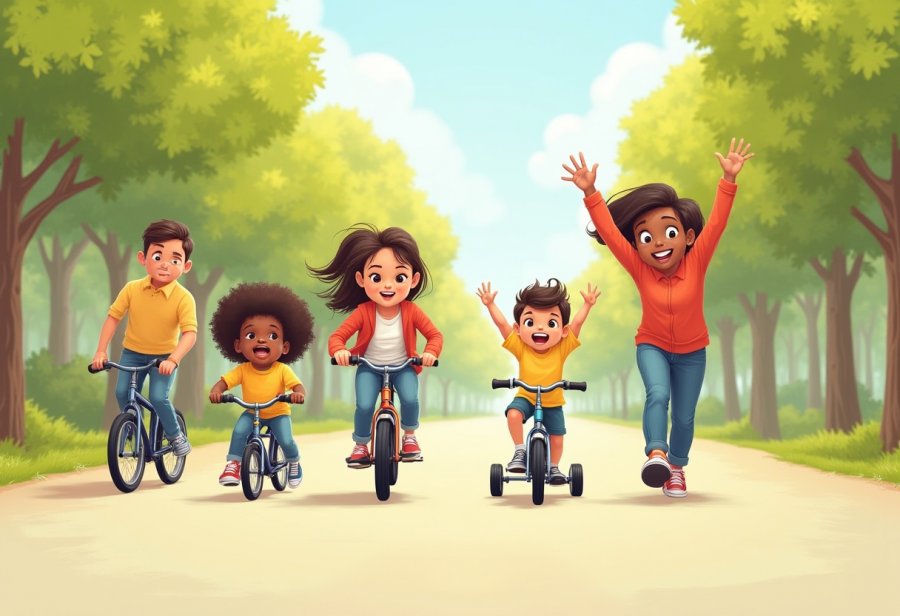
Learning to ride a bike is more than just picking up a new skill; it’s a milestone that captures the essence of courage, independence, and family connection. For children, those first wobbly attempts on two wheels are often a mix of nervousness and excitement—a moment that signals they’re stepping into a new phase of growing up. It’s not solely about mastering balance or speed; it’s about discovering their own strength and trusting themselves enough to take that first real ride.
These early experiences are often shared as family moments, where parents and siblings gather to cheer on every small victory. Whether it’s steadying the bike or watching a child glide confidently for the first time, these moments forge bonds and create lasting memories. Each wobble or fall becomes part of a story about perseverance, resilience, and support, teaching children that setbacks are simply steps in the learning process.
The act of learning to ride also symbolizes a rite of passage. It marks a transition from dependence to independence, a visual and emotional marker of growing up. When children finally pedal away on their own, they’re not just moving forward on a bike—they’re embracing confidence and self-reliance. That feeling of mastery, of balancing on two wheels, becomes a metaphor for taking control and exploring new horizons, inspiring them well beyond the bicycle.
Fear of falling can be a real hurdle, often overshadowing the thrill of independence. But with patience and encouragement, parents help children see that falling is part of the journey—not a failure. Reassuring children that mistakes are temporary and that they’re capable of overcoming them builds resilience and bravery. It’s this emotional groundwork that transforms the daunting into the doable, turning hesitation into confidence.
Ultimately, learning to ride a bike is about more than just physical skill; it’s a journey of self-discovery, trust, and connection. It teaches children that with patience, practice, and support, they can conquer fears and embrace new challenges. These lessons in courage and independence stay with them long after they’ve mastered the pedals, shaping their approach to life’s many adventures ahead.
Tracing Cycling’s Deep Roots in Culture and Society
Cycling has long been more than just a practical way to get around; it has evolved into a universal symbol of growth, independence, and community across cultures. In the late 1800s and early 1900s, as bicycles became accessible to wider audiences, they took on a deeper significance. For many young people, learning to ride marked a key milestone—one that signified stepping into adolescence and gaining new freedoms. Communities often celebrated these moments with gatherings, recognizing that cycling represented personal progress and autonomy.
In rural areas, bicycles expanded horizons by making education, work, and social interactions more accessible. For children, mastering the bike meant newfound mobility, allowing them to reach school or visit friends more easily. Across different societies, this simple act became a powerful metaphor for independence and self-reliance, symbolizing progress in both personal and societal contexts. Whether in Western countries or developing regions, the bicycle’s role in fostering exploration and connection has remained constant.
The process of learning to ride was traditionally a communal affair. Older siblings, neighbors, or parents would guide children through their first wobbly attempts, emphasizing resilience and shared effort. These early lessons went beyond physical coordination—they built confidence and strengthened social bonds. Over generations, these communal traditions embedded cycling as a rite of passage that reinforced core values of perseverance and support.
Today, the cultural importance of cycling persists, though methods have evolved. Schools and organizations now offer structured programs emphasizing safety, inclusivity, and enjoyment. Despite technological advances, the core message endures: learning to ride is a universally recognized step toward independence. It embodies growth, resilience, and the desire to explore beyond familiar boundaries, resonating across borders and generations.
Looking globally, the significance of riding a bike reflects broader societal values. In some regions, cycling is woven into daily life—used for commuting, socializing, and family outings—while in others, it remains a cherished childhood milestone. The underlying theme remains consistent: cycling is more than a skill; it’s a symbol of progress, community, and personal achievement. It connects generations and cultures through a shared story of moving forward.
Exploring the history of cycling reveals how deeply rooted its symbolism is in human development. From a practical mode of transportation to a cultural marker of independence, the bicycle continues to inspire stories of resilience and exploration. When children learn to ride across different societies, they join a timeless tradition—one that celebrates the universal human drive to grow, connect, and push boundaries.
Today, as new innovations emerge, the cultural importance of cycling only deepens. It remains a powerful symbol of progress and community, inspiring new generations to embrace adventure and independence. The story of learning to ride is not just about mastering a skill; it’s about becoming part of a global movement that champions growth, resilience, and the joy of moving forward together.
Modern Techniques and Tools Revolutionizing Bike Learning
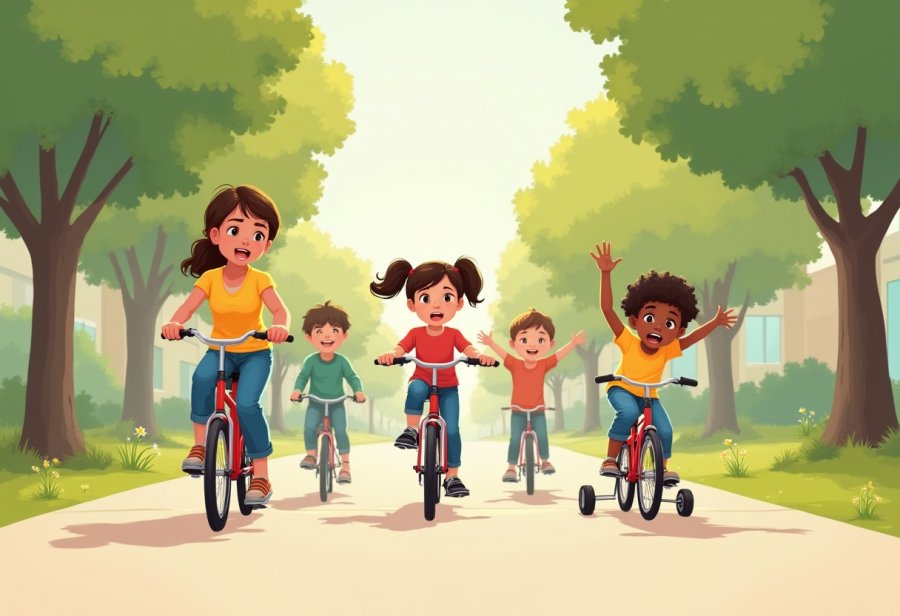
Today’s approach to teaching children how to ride a bike blends time-tested techniques with innovative tools that enhance safety and enjoyment. Many parents and instructors now introduce balance bikes—lightweight, pedal-less options that focus on developing stability and confidence early on. This method allows children to master balancing first, making the transition to pedal bikes smoother and more natural. Kids often feel more secure on a balance bike, which reduces the fear and frustration that can come with learning on a traditional bike.
Once children are comfortable balancing, they typically move on to bikes with training wheels. These serve as a supportive bridge, helping kids learn coordination between pedaling and steering without feeling overwhelmed. As their skills improve, parents and instructors gradually remove the training wheels, encouraging independence based on each child’s readiness. This step-by-step process minimizes setbacks and keeps motivation high, turning learning into a positive experience.
Practice environments now prioritize safety and fun. Quiet parks, residential streets, and dedicated bike paths are ideal spots for young riders to experiment without the dangers of traffic. During these sessions, patience and encouragement are key. Celebrating small successes—like steady steering or balancing without support—boosts confidence and keeps children eager to try again. This supportive tone helps foster a love for riding that can last a lifetime.
Modern philosophies emphasize enjoyable, incremental progress rather than rushing toward independence. Recognizing that each child learns at their own pace, parents and teachers focus on making every step manageable and rewarding. This approach helps children associate cycling with positive feelings, reducing fear and building resilience. The goal is to create an environment where kids feel safe to explore their capabilities.
Safety gear is now an integral part of learning, with lightweight helmets, knee and elbow pads, and reflective clothing standard for young riders. Many communities promote riding in safe zones—like bike paths and quiet neighborhoods—where children can practice freely. Educational efforts stress the importance of signaling, understanding traffic rules, and respectful riding habits, laying the groundwork for responsible cycling.
Technology is increasingly influencing how kids learn to ride. Smart bikes equipped with sensors provide real-time feedback on balance and posture, making practice sessions more interactive and personalized. Educational apps and online tutorials supplement hands-on training, offering engaging ways for children to develop their skills outside of direct supervision. These innovations make learning more accessible and enjoyable.
Overall, today’s methods foster a balanced mix of safety, support, and fun. They acknowledge that every child learns differently and prioritize patience and encouragement at every stage. By making the process engaging and manageable, modern cycling education transforms what could be a daunting task into an exciting journey of discovery—setting children up for a lifetime of confidence and joy on two wheels.
Real-World Benefits and Lifelong Skills Gained from Riding
Learning to ride a bike extends far beyond mastering balance and coordination; it opens doors to a range of practical benefits that shape a child’s everyday life. Once children gain confidence on two wheels, they experience a newfound sense of independence that encourages exploration within their neighborhood and community. This freedom fosters decision-making skills and self-reliance, helping kids feel more in control of their routines and encouraging them to take on small errands or visit friends without constant adult supervision.
Cycling also promotes a healthier, more active lifestyle from an early age. Kids who learn to ride tend to see outdoor activity as fun rather than a chore, which can lead to lifelong habits of physical activity. Regular riding improves their strength, endurance, and coordination, making outdoor play more engaging and less reliant on screens. As children become more comfortable cycling, they naturally prefer outdoor adventures, which benefits both their physical health and mental well-being.
Beyond individual health, cycling serves as a social connector. Riding with friends, joining community rides, or participating in local cycling events helps children develop social skills, teamwork, and a sense of belonging. These shared experiences foster friendships and community bonds that often last for years, turning cycling into a social activity that enriches their childhood and beyond.
Learning to ride also ingrains important safety habits. Kids quickly grasp the importance of wearing helmets, signaling their intentions, and respecting traffic rules—lessons that extend to other areas of responsibility. The routines they develop early, like checking their bike or wearing safety gear, help cultivate a safety-conscious mindset that remains with them as they grow. These habits build confidence in navigating their environment safely and responsibly.
Family bonding deepens naturally through shared cycling experiences. Whether it’s a weekend ride in the park or practicing in the driveway, these moments create lasting memories rooted in teamwork and encouragement. Overcoming fears together and celebrating small victories strengthen relationships and turn cycling into a meaningful tradition. These shared milestones foster a sense of achievement and support that extends well beyond the bike.
Routines become more enjoyable when cycling is integrated into daily life. Small trips, such as heading to the grocery store or visiting a neighbor, transform routine errands into opportunities for independence and adventure. This shift helps children feel more autonomous and responsible, reinforcing their ability to manage their environment confidently. Cycling becomes a practical, everyday tool for fostering self-sufficiency.
Finally, as children grow more skilled, they learn to assess risks and make responsible decisions. They become more aware of their surroundings, which enhances their safety and confidence on the road. These lessons in responsibility and awareness influence their behavior in many areas, encouraging proactive attitudes toward safety and self-care. Mastering cycling thus nurtures a proactive, confident outlook that benefits their overall development.
Innovations and Future Trends Shaping Cycling Education for Kids
Looking ahead, the future of cycling education for children promises to be more engaging and innovative than ever before. Advancements in technology, such as smart bikes with sensors and real-time feedback, are beginning to personalize learning experiences, making practice safer and more effective. These tools help children develop better balance and control while building confidence, encouraging them to explore more independently. Meanwhile, safety gear continues to evolve with lightweight helmets and integrated communication devices, further boosting security and comfort during rides.
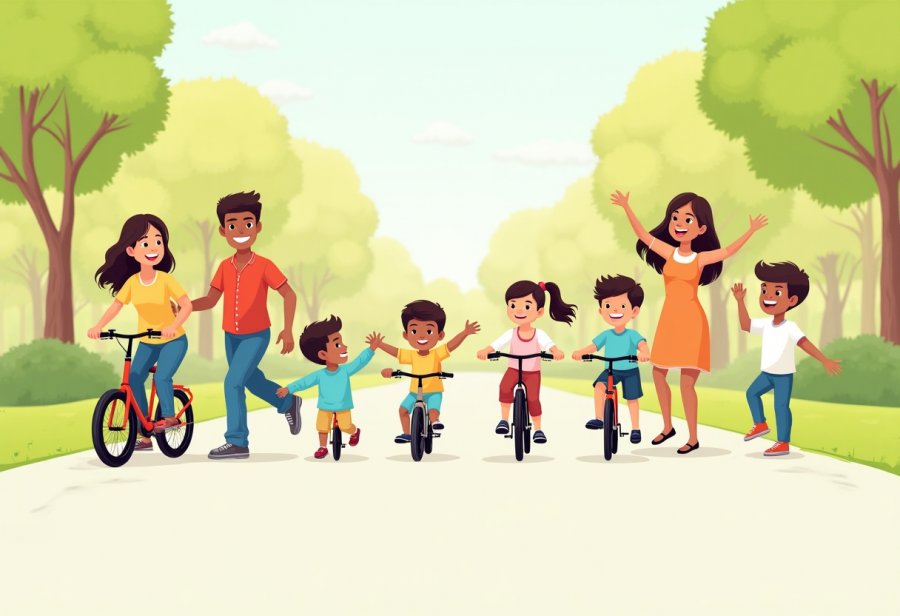
Community programs and school initiatives are also growing more inclusive, aiming to make cycling accessible to children from all backgrounds. Organized lessons, family outings, and local events foster a sense of shared adventure and promote lifelong habits of activity and safety. As awareness of cycling’s health, environmental, and social benefits increases, more families see riding as a natural part of daily life, inspiring new generations to embrace this timeless activity.
Safety remains a priority, but the emphasis is shifting toward fostering independence alongside protection. Teaching responsible riding—wearing helmets, signaling intentions, and understanding traffic rules—empowers children to navigate their environment confidently. This balance of safety and autonomy helps cultivate a mindset where kids view cycling as a joyful, empowering activity rather than a risky endeavor.
The social aspect of cycling is set to expand with organized group rides, cycling clubs, and family adventures. These shared experiences not only strengthen friendships and community ties but also reinforce positive attitudes about health, sustainability, and exploration. Incorporating cycling into routine family activities transforms everyday errands into enjoyable, empowering outings, giving children a sense of agency and responsibility.
Innovations in digital platforms, virtual tutorials, and interactive apps will continue to supplement hands-on learning, making skill development more accessible and engaging outside of traditional settings. Simultaneously, efforts to create safer, more bike-friendly environments will open new opportunities for children to explore their neighborhoods with confidence. These trends collectively aim to nurture resilient, confident, and active individuals who carry the lessons of cycling into all areas of their lives.
In essence, the journey of cycling education is evolving into a holistic process that combines technology, community, and safety to inspire a new generation of confident explorers. By embracing these innovations and fostering a supportive environment, we can ensure that every child experiences the joy, independence, and lifelong benefits that come with mastering the simple yet powerful act of riding a bike.