




Imagine transforming chaotic, pull-filled walks into peaceful moments of connection—are you ready to unlock this calming bond with your dog? Mastering the art of walking calmly at your side isn’t just about obedience; it’s about building trust, mutual respect, and a shared sense of safety. This guide reveals proven strategies—from basic fundamentals like consistent commands and positive reinforcement to overcoming distractions and addressing common challenges like stubbornness or reactivity. With patience, gentle guidance, and the right tools, any dog can learn to focus and relax during walks, turning routine outings into joyful bonding experiences. But are you prepared to invest time and effort into these small, consistent steps that pay lifelong rewards? By fostering calmness and confidence in your dog, you’ll not only improve safety and enjoyment on daily adventures but deepen your emotional connection—making every walk a peaceful, shared journey of trust and mutual understanding.
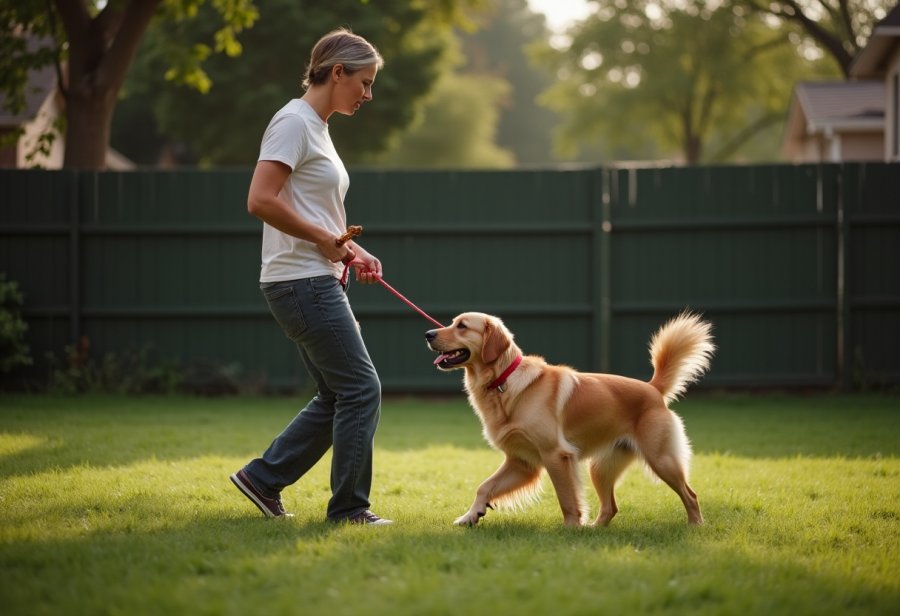
Master Calm Dog Walking: Building Trust and Deep Connection
Walking calmly with your dog might seem simple at first, but it’s actually one of the most valuable skills you can teach. When your dog learns to relax and stay focused at your side, walks become more enjoyable and less stressful. It’s not just about obedience—it’s about building trust and a deeper connection. A peaceful walk reduces pulling, jumping, and distractions, making outings safer and more pleasant for everyone involved.
In today’s busy world, many dog owners struggle with pulling ahead, distracted barking, or feeling anxious during walks. These common challenges can turn what should be a relaxing activity into a frustrating experience. Mastering calm leash walking transforms this routine into a shared moment of calm and trust, helping both you and your dog enjoy the journey.
Beyond behavior, calm walks are a way to foster a sense of safety and confidence in your dog. When your dog walks with focus and relaxation, it signals that they trust you and feel secure. These moments of tranquility during walks strengthen your bond and turn everyday routines into opportunities for mindfulness and mutual understanding.
Achieving this calm isn’t about perfection; it’s about consistent, small steps forward. With patience, clear communication, and gentle guidance, you can teach your dog to walk confidently by your side. The effort pays off in more peaceful outings and a deeper, more trusting relationship.
Remember, calm walks aren’t just about training—they’re about creating a shared experience rooted in patience and connection. When your dog learns to stay relaxed, every walk becomes a chance to bond, explore, and enjoy each other’s company. It’s a skill that lasts a lifetime, enriching both your lives in countless ways.
Fundamentals of Dog Walking: Essential Principles for Success
Effective dog walking begins with a clear understanding of some fundamental principles that set the stage for success. Consistency is key—using the same commands, routines, and cues helps your dog grasp what’s expected and respond reliably. When your dog associates words like “heel” or “focus” with calm behavior, training becomes more straightforward and effective. Positive reinforcement plays a crucial role; rewarding good behavior with treats, praise, or gentle petting encourages your dog to repeat those actions and builds trust between you.
Knowing your dog’s individual needs is equally important. Different breeds, temperaments, and energy levels mean that your training approach should be tailored specifically to your dog. Recognizing these traits helps prevent frustration and ensures your training is realistic and achievable. Mastering leash manners—such as walking without pulling or lunging—lays the groundwork for relaxed, enjoyable walks. Monitoring your dog’s progress and adjusting your methods keep the experience positive and motivating for both of you.
Modern training emphasizes science-backed, positive methods over dominance-based techniques. Building trust through rewards not only fosters a stronger bond but also reduces stress and anxiety during outings. Using well-fitted harnesses, clickers, and treats makes training smoother and more engaging, transforming walks from chaotic moments into peaceful bonding experiences. Your role as a handler—through your body language, tone of voice, and consistency—directly influences your dog’s behavior and confidence.
By understanding these core principles and applying them patiently, you create a safe and encouraging environment for your dog to learn. Small, consistent efforts result in reliable habits that make every walk more relaxed and enjoyable. Over time, these foundational concepts help your dog develop the calm, focused demeanor necessary for peaceful outings, turning everyday walks into moments of connection and trust.
Achieving Calm and Focus: Techniques for Relaxed Outings
Achieving calm and focus during walks depends on creating a predictable routine your dog can rely on. When your dog feels stable and confident, staying relaxed amid distractions becomes easier. Reinforcing calm attention through positive feedback—like treats or praise—helps your dog associate focus with rewards. Introducing simple commands such as “focus” or “steady” and practicing them consistently turns scattered energy into attentive responses. Repetition across different environments builds habits that stick, making calmness a natural part of your outings.
Pulling on the leash is often the biggest obstacle. To counter this, teach your dog to walk beside you on command, gradually exposing them to busier settings. Desensitization involves slowly increasing exposure to sights, sounds, and smells, rewarding calm behavior at each step. Patience is essential; building confidence through short, positive experiences helps even nervous dogs feel secure. When calmness is reinforced with praise and treats, your dog learns that staying focused earns rewards, reducing reactive tendencies.
Short, frequent training sessions outperform long, sporadic ones. These keep your dog engaged without feeling overwhelmed, fostering steady progress. Immediate rewards for calm behavior—whether treats, praise, or gentle petting—help your dog understand what’s expected. Over time, these techniques cultivate a calm, attentive demeanor, turning walks from stressful routines into peaceful bonding moments. Consistency, patience, and a gentle approach lay the foundation for focused, relaxed outings.
Recognizing and celebrating small wins keeps motivation high. When your dog responds calmly or resists distractions, reinforce that behavior right away. These moments of success boost confidence and reinforce good habits. If setbacks occur, stay calm and redirect your dog without frustration. Remember, every dog learns at their own pace—persistence is key to long-term progress.
For dogs that are especially reactive or easily distracted, gradual exposure is crucial. Start in quiet, familiar spaces and slowly introduce more stimulating environments. Pair these outings with plenty of praise and treats to foster positive associations. Over time, your dog will learn to remain calm and attentive even in busier settings, making walks more enjoyable and less stressful for both of you.
If challenges persist, consider consulting a professional trainer or behaviorist. They can offer tailored strategies to address specific issues, helping you troubleshoot and refine your approach. The path to calm, focused walks involves patience and consistent effort, but every step forward deepens your bond. With time and practice, your dog will learn to walk calmly and confidently, turning routine outings into peaceful, rewarding moments together.
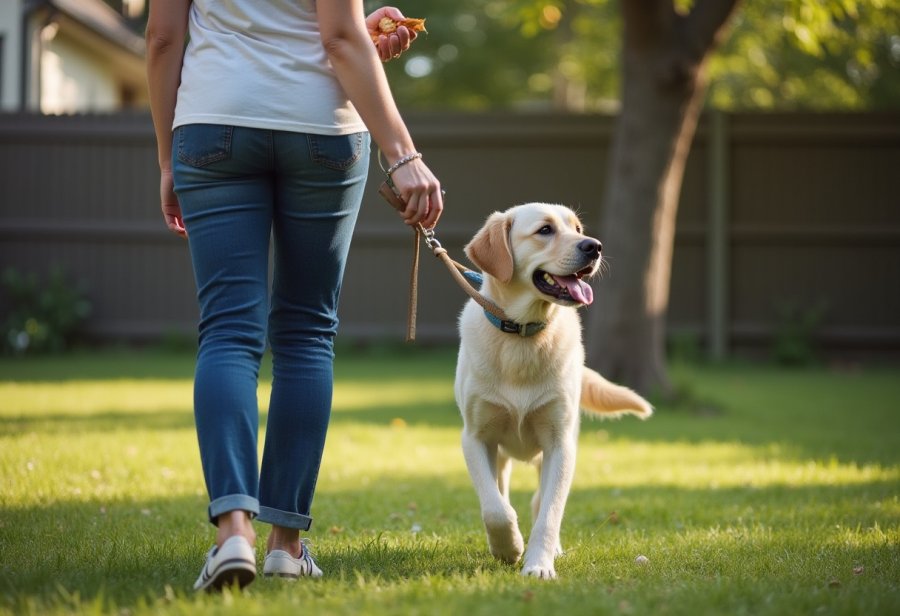
Practical Tips for Success: Actionable Strategies for Effective Training
Patience and consistency are the cornerstones of successful calm leash training. Short, focused sessions—just five to ten minutes—done multiple times a day make a big difference. During these, reward your dog immediately with treats, praise, or gentle petting whenever they display relaxed and attentive behavior. Keeping routines predictable and your own demeanor calm sets a positive tone, encouraging your dog to stay focused and relaxed. It’s more effective to have several small sessions than one long, overwhelming training period. Over time, these consistent efforts help establish lasting habits that translate into peaceful walks.
Positive reinforcement remains your most reliable tool. When your dog walks calmly beside you, reward that behavior right away. This immediate feedback helps your dog understand exactly what you want, making them eager to repeat good habits. Avoid harsh corrections or punishment, which can cause stress and confusion. Instead, focus on catching moments of calmness and rewarding them. This approach builds trust and turns training into a positive experience that strengthens your bond.
Utilizing helpful tools like a well-fitted harness, a clicker, or favorite toys can significantly support your training process. A harness minimizes pulling and discomfort, giving you better control without resorting to force. A clicker marks precise moments of good behavior, speeding up learning. Toys and treats keep your dog motivated and engaged, making training sessions enjoyable rather than frustrating. These tools aren’t just accessories—they’re essential for creating a safe, encouraging environment where your dog feels confident to learn.
Gradually introduce distractions by moving from quiet, familiar environments to busier settings. Start with minimal stimuli, then slowly increase the challenge, always rewarding your dog for remaining calm and attentive. Patience is key—rushing this step can backfire. Consistent exposure paired with positive reinforcement helps your dog generalize good behavior across different situations, turning calmness into a reliable habit.
Stick to clear, simple commands like “heel,” “focus,” or “steady” across all settings. Consistency in your cues helps your dog understand what’s expected. Always reward correct responses immediately, reinforcing that staying close and focused leads to praise. This clarity reduces confusion and builds confidence, making your walks smoother and more enjoyable. Over time, these cues become second nature, transforming routine walks into peaceful, bonding moments.
Remember that your attitude shapes your dog’s learning. Stay calm, patient, and positive, even when progress stalls. Dogs are perceptive and pick up on your tone and body language, so your composed demeanor encourages your dog to stay relaxed and attentive. If frustrations build, take a break or reset, returning to basics. Maintaining a gentle, encouraging approach fosters trust and resilience, helping your dog learn gradually but surely. With steady effort, peaceful, focused walks become the norm, enriching your bond and transforming your daily outings into moments of mutual joy.
Cost and Value Considerations: Investing Wisely in Your Dog’s Training Journey
Training your dog to walk calmly can involve some upfront costs, but many owners find those investments worthwhile. Basic equipment like a well-fitting harness and a sturdy leash typically range from $10 to $30. If you choose professional training, prices vary widely—group classes might cost $100 to $300 for several sessions, while private trainers can charge $50 to $150 per hour. Online courses and virtual coaching are often more affordable, usually between $20 and $100. While these expenses might seem significant initially, the benefits—fewer behavioral issues and safer walks—often justify the investment.
Investing in quality tools like a comfortable harness, clicker, or treats can significantly enhance training effectiveness. Proper equipment helps prevent discomfort and makes the process smoother, encouraging your dog to respond positively. When budgeting, look for community programs or discounts offered by local shelters, which often provide affordable classes without sacrificing quality. These resources help maintain consistency and motivation, which are key to success.
Beyond the immediate costs, consider the long-term value of well-trained, calm behavior. A dog that walks politely is less likely to develop reactive or anxious tendencies, reducing potential future expenses for behavioral therapy or vet visits. Calm leash manners also improve your dog’s socialization and safety, making outings more enjoyable and less stressful. The bond you build through training enhances trust and communication, enriching your relationship far beyond the initial investment.
Viewing training expenses as an investment rather than a cost can change your perspective. Every dollar spent on proper tools or professional guidance contributes to a more peaceful, safer walk and a stronger connection. It’s about creating a foundation for lifelong good behavior that pays off in countless small, everyday moments. Over time, this investment leads to fewer frustrations and more shared joy on your daily adventures.
Balancing costs with your budget requires some planning. Prioritize essentials that support your training goals, such as a good harness and consistent routines. Starting with affordable resources and gradually increasing your investment as your dog progresses ensures steady development without financial strain. Remember, steady, patient effort often yields better results than quick fixes, making every penny spent worthwhile.
Implementation Strategy: Step-by-Step Plan for Peaceful Walks
To start training your dog for calm walks, choose a quiet, familiar space free of distractions. This creates an environment where your dog can focus without feeling overwhelmed. Gather your essential tools—treats, a comfortable harness, and a reliable leash—and keep them within easy reach. Begin with short sessions of five to ten minutes, multiple times a day, to build your dog’s confidence and understanding gradually. Consistency in timing and routine helps your dog recognize what to expect, making each session more effective.
During these initial outings, introduce basic cues like “heel” or “focus,” rewarding your dog immediately when they respond calmly. Keep your body language steady and your tone confident, as dogs are sensitive to your cues. If your dog pulls or gets distracted, gently redirect their attention back to you and reward their focus. The goal is to reinforce calm behavior with positive feedback, avoiding any harsh corrections that could cause stress or confusion.
As your dog begins to respond reliably in a controlled setting, slowly increase the challenge by moving into busier environments, such as parks or sidewalks. Start with minimal distractions, then gradually expose your dog to more stimuli, always rewarding calm responses. Patience is key—rushing these steps can set back progress. Repetition and positive reinforcement in different settings help your dog generalize good behavior, making calm walking habits second nature.
Maintain consistency by using the same commands and cues across all environments. This clarity helps your dog understand what’s expected and builds confidence. Celebrate small successes along the way, and if setbacks occur, stay calm and reset to basics. Your steady leadership and positive approach foster trust and resilience, helping your dog learn more quickly. With persistence and patience, peaceful, confident walks will become a natural part of your routine.
Overcoming Challenges: Solutions for Common Training Obstacles
Training your dog to walk calmly often brings up common hurdles, like distractions or stubbornness, that can slow progress. One of the biggest challenges is when your dog gets easily distracted by other dogs, people, noises, or interesting smells. These stimuli can pull their focus away from you, leading to pulling, lunging, or darting ahead. To tackle this, gradually desensitize your dog by starting in quiet spaces and slowly introducing more distractions, rewarding calm behavior at each step. Consistent cues like “focus” or “stay” paired with treats reinforce that attentive, relaxed behavior is what you value most.
Stubbornness can also pose a problem, especially if your dog is used to exploring or ignoring cues. Patience and repetition are your best tools here. Keep training sessions short, positive, and frequent, redirecting gently whenever your dog tries to pull or ignore commands. Over time, they’ll learn that staying close and attentive leads to rewards, making calm walking habits more reliable.
Nervous or anxious dogs may react with jitteriness or reactivity, making walks stressful. Slow, positive exposure to new environments helps build their confidence. Use plenty of praise and treats to create positive associations, avoiding forcing them into overwhelming situations, which only heightens their stress. Patience is key—progress may be slow, but consistency makes a difference.
Setbacks are a normal part of training. When your dog pulls or gets distracted, stay calm and avoid punishment. Instead, redirect their attention and reward compliance immediately. This approach fosters trust and resilience, encouraging your dog to focus and stay calm in future outings. Remember, every dog learns at their own pace—persistence pays off over time.
If challenges persist, consider consulting a professional trainer or behaviorist. They can provide tailored strategies to address specific issues, helping you troubleshoot and refine your methods. Sometimes, a few expert sessions make all the difference. Keep in mind that patience and steady effort are your best allies. Each obstacle overcome is a step closer to peaceful, confident walks, deepening your bond and making outings more enjoyable for both of you.
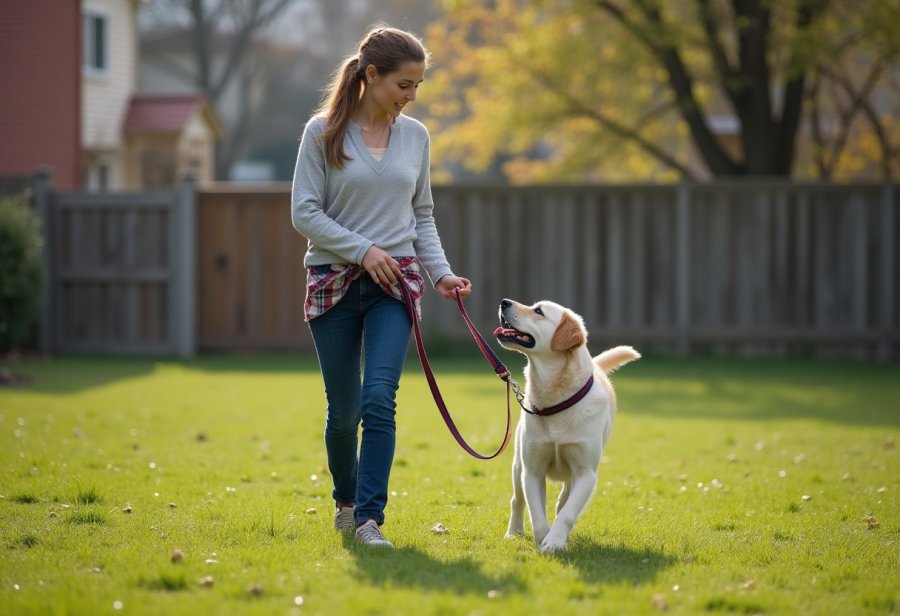
Focus Points for Calm Dog Walking: Building Harmony, Trust, and Joy in Every Step
Calm dog walking is the cornerstone of a peaceful and enjoyable outing. When your dog learns to stay relaxed and focused, it sets a positive tone that deepens your bond. Gentle guidance, consistent routines, and clear cues help your dog feel secure, turning walks from chaotic moments into harmonious experiences. Building trust through calm interactions and positive reinforcement encourages your dog to pay attention to you rather than reacting to stimuli, making every walk a shared journey of cooperation.
Mastering commands like “heel” not only improves control but also enhances communication between you and your dog. When your dog walks politely beside you, pulling and lunging become less frequent, and walks become smoother and more predictable. This command, reinforced consistently, transforms routine outings into opportunities for trust and concentration, making walks more relaxed and enjoyable for both of you.
Creating walk harmony involves more than just training; it’s about fostering mutual understanding and confidence. When your dog feels safe and confident, they’re more likely to remain calm amid distractions. Using praise, treats, and gentle cues reinforces positive behavior, encouraging your dog to stay close and attentive. This trust-building turns everyday walks into bonding moments that boost your relationship and reduce stress.
Focus points like relaxed pet training and trust building are interconnected. When your dog learns to associate calmness with rewards, they’re more eager to engage and stay attentive. This mutual understanding makes every step together more joyful and less tense, laying the groundwork for peaceful, joyful dog walks. Consistency and patience are key—over time, these elements cultivate a natural, relaxed rhythm that benefits both owner and pet.
Trust building also involves reading your dog’s signals and responding with patience. When your dog shows signs of distraction or nervousness, calmly redirect their focus and reinforce positive responses. This approach not only prevents frustration but also fosters resilience and confidence, encouraging your dog to remain calm even in challenging situations. With time, your dog will view walks as safe, fun, and rewarding experiences.
Ultimately, the key to these focus points is creating a positive, encouraging environment where your dog feels valued and understood. A calm, focused walk is more than just a training goal—it’s a shared experience that strengthens your bond and makes outings a source of joy. As you practice these principles consistently, peaceful, confident walks become second nature, transforming everyday routines into moments of connection and mutual trust.