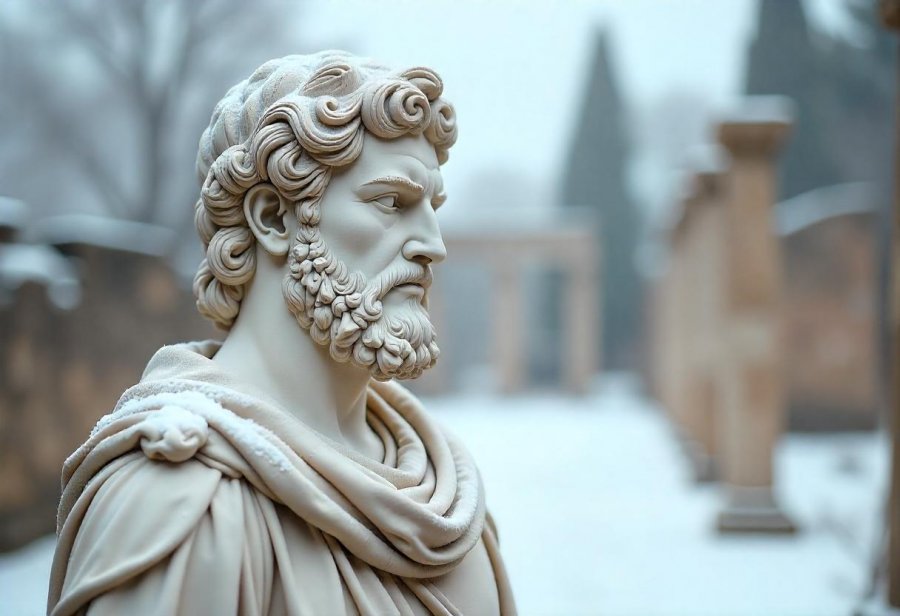
While Hollywood’s image of Cleopatra veers toward seduction and glamour, her true legacy is rooted in her brilliance as a strategist, scholar, and diplomat. This compelling portrayal uncovers a ruler whose intelligence, multilingual prowess, and cultural savvy allowed her to navigate Egypt’s complex political landscape and forge powerful alliances with Rome’s leading figures. Her mastery of symbolism, diplomacy, and knowledge turned Alexandria into a hub of innovation and influence, proving that leadership rooted in wisdom and adaptability can shape history. But beyond her relationships with Julius Caesar and Mark Antony lies a story of resilience, strategic patience, and cultural diplomacy that extended Egypt’s independence longer than expected. Could her real power have been her mind’s clarity and insight? This portrait invites readers to reconsider what true leadership means—questioning whether influence is born of superficial charm or strategic intelligence, and emphasizing that enduring impact often comes from understanding, resilience, and depth.
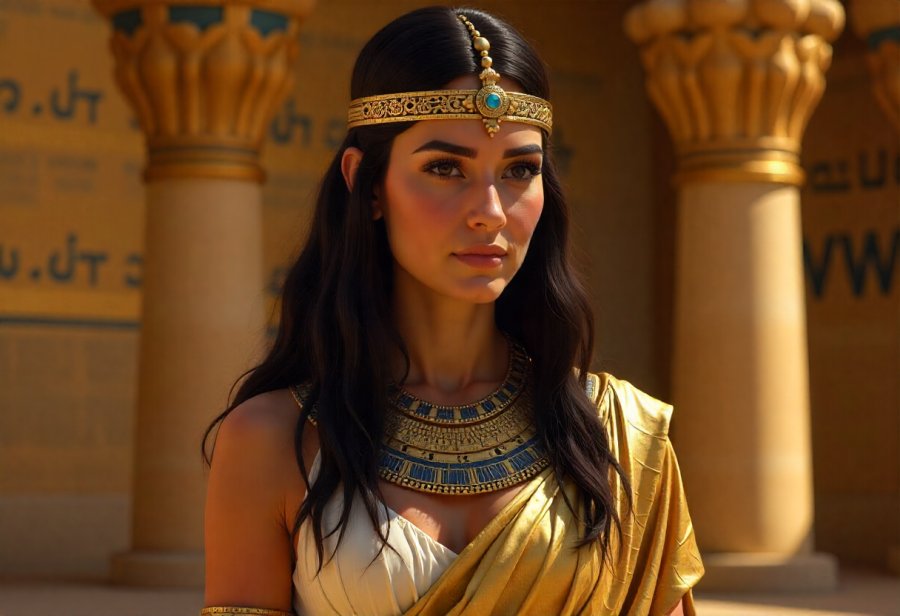
Unveiling Cleopatra VII: The Mind Behind the Legend
Cleopatra VII is often remembered through Hollywood’s glamorous lens, but the reality of her leadership was far more nuanced and impressive. She was a sharp-minded strategist and a highly educated ruler, qualities that allowed her to navigate Egypt’s complex political landscape with skill and grace. As the last pharaoh of the Ptolemaic dynasty, her reign was marked by a keen understanding of power, diplomacy, and statecraft, all driven by a desire to preserve Egypt’s independence amid external threats.
What truly set Cleopatra apart was her remarkable intelligence. She was fluent in multiple languages, including Egyptian, Greek, and Latin, which gave her a significant diplomatic edge. This linguistic prowess enabled her to communicate directly with foreign leaders, scholars, and officials, bypassing intermediaries and ensuring her message was clear and impactful. Her patronage of Alexandria’s renowned library and her support for scholars underscored her belief that knowledge was a vital tool for maintaining influence and sovereignty.
Cleopatra’s leadership was characterized by her ability to blend diplomacy with cultural awareness. She understood how symbols, rituals, and language could reinforce her legitimacy, often using religious and cultural traditions to connect with her diverse subjects. Her mastery of such soft power allowed her to craft a compelling narrative of divine authority, resonating with Egyptians and Greeks alike. Her leadership style combined strategic thinking with an acute awareness of perception, making her a master of influence in a male-dominated world.
Beyond her diplomatic talents, Cleopatra was a scholar-queen who valued education and intellectual pursuits. Her commitment to learning and her support for translation projects and scientific research turned Alexandria into a center of knowledge and innovation. This intellectual environment not only bolstered her personal authority but also strengthened Egypt’s position as a hub of culture and scholarship in the ancient world.
Her ability to adapt to changing circumstances was another hallmark of her leadership. Cleopatra understood that power wasn’t just about military strength but also about influence, perception, and strategic alliances. Her relationships with Julius Caesar and Mark Antony were carefully calculated moves meant to secure her kingdom’s future, demonstrating her skill at navigating regional and international politics with finesse.
Cleopatra’s legacy is rooted in her mental agility and diplomatic mastery. She proved that leadership rooted in wisdom, cultural sensitivity, and strategic influence could shape history more profoundly than superficial charms or brute force. Her story continues to inspire, reminding us that true power often lies in the mind and the ability to adapt, persuade, and lead with intelligence.
Egypt’s Political Tapestry: Greek Influence and Native Traditions
During Cleopatra’s reign, Egypt’s political scene was a complex blend of ancient traditions and foreign influences. After the fall of the great Pharaonic dynasties, Egypt became part of the Hellenistic world, heavily shaped by Greek culture and governance. This shift began with Ptolemy I, a Macedonian general and close ally of Alexander the Great, who seized control of Egypt and established the Ptolemaic dynasty. His rule introduced Greek language, customs, and political structures, creating a fusion that coexisted with Egypt’s longstanding religious and cultural identity.
This unique cultural mix meant Cleopatra inherited a kingdom that was both deeply Egyptian and Hellenized. Internal rivalries within her family, economic difficulties, and external threats—particularly from Rome—kept her navigating a delicate diplomatic balance. She needed to uphold Egyptian religious traditions while managing Greek political styles and external alliances. Her ability to blend these elements was crucial to maintaining her authority and stability across her diverse realm.
Rome’s rapid expansion added another layer of complexity. As the Mediterranean’s dominant power, Rome’s influence loomed large over Egypt. Cleopatra understood that military might alone wouldn’t secure her kingdom’s independence. Instead, she relied on shrewd diplomacy and strategic alliances, leveraging her multilingual skills and cultural understanding to navigate the shifting tides of regional power. Her relationships with Rome’s leaders, including Julius Caesar and Mark Antony, were carefully crafted moves to preserve Egypt’s sovereignty.
Her court’s multilingual environment gave her a distinct advantage. Fluent in Greek, Egyptian, and Latin, Cleopatra could directly communicate with different audiences, negating the need for interpreters and reducing misunderstandings. She embraced Egyptian religious symbols alongside Greek customs, using them to reinforce her divine status and legitimacy. This cultural dexterity helped her craft a compelling narrative of leadership that resonated across diverse communities and factions.
Cleopatra’s reign was defined by her ability to adapt and influence her environment. She recognized that power extended beyond military strength to perception, diplomacy, and cultural diplomacy. Her skill at reading political currents and responding with strategic finesse allowed her to prolong Egypt’s independence longer than many expected. Her leadership exemplifies how mastery of cultural nuance and political insight can shape history, even amid formidable external pressures.
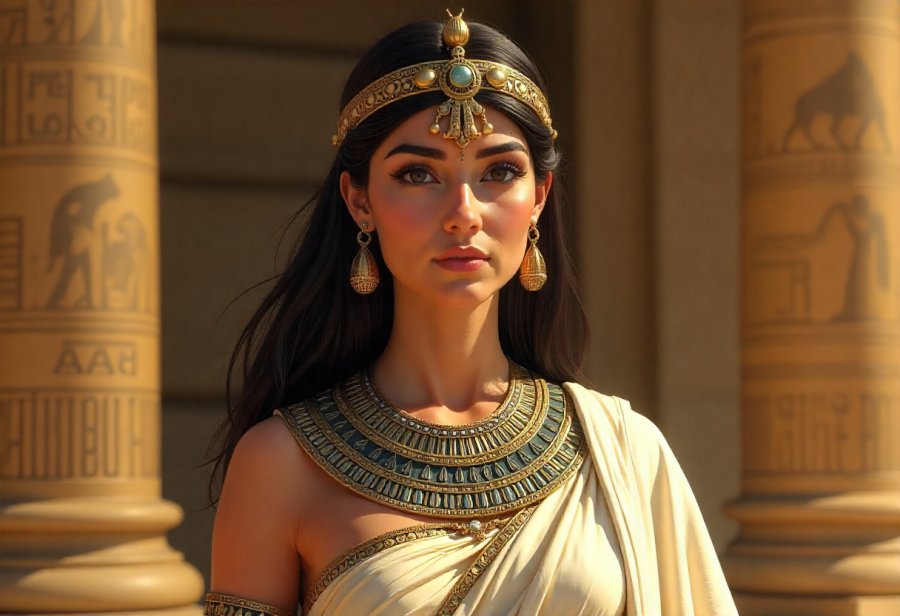
Mastermind Leadership: Strategy, Diplomacy, and Intellectual Triumphs
Cleopatra’s leadership was defined by her ability to make strategic decisions that seamlessly blended diplomacy, intellect, and cultural insight. She understood that influence extended beyond mere power or military might; it depended on forging relationships, reading her environment accurately, and adapting her approach accordingly. Her alliances with Julius Caesar and Mark Antony were carefully calculated, serving Egypt’s long-term interests rather than personal whims. Each move was rooted in a deep understanding of regional politics and her own kingdom’s vulnerabilities, allowing her to maintain stability in turbulent times.
Her diplomatic skills went hand-in-hand with her scholarly pursuits. Fluent in Egyptian, Greek, and Latin, Cleopatra communicated directly with foreign leaders and scholars, eliminating misunderstandings and reinforcing her stature. Her patronage of Alexandria’s library and support for translation and scientific projects reflected her belief that knowledge was a vital tool for influence. Cultivating an environment of learning and innovation helped her stay several steps ahead of rivals, turning her court into a hub of ideas that bolstered her authority and resilience.
Cultural diplomacy played a pivotal role in her leadership style. Cleopatra expertly used religious rituals, symbols, and language to legitimize her rule, blending Egyptian divine authority with Greek customs. This dual approach resonated with diverse communities within her kingdom and beyond, strengthening loyalty through perception and symbolism. Her ability to craft a divine narrative that unified different cultural identities was a masterstroke, allowing her to reinforce her legitimacy and maintain stability despite external threats.
Her decisions consistently demonstrated strategic foresight. Rather than relying solely on military strength, she prioritized creating alliances aligned with her broader goals. Her alliance with Julius Caesar helped stabilize her reign after her brother’s death, while her partnership with Mark Antony aimed to bolster Egypt’s position against external encroachment. These moves were deliberate, rooted in her keen analysis of regional dynamics and her capacity to leverage influence rather than dominance alone.
Resilience and adaptability marked Cleopatra’s approach to leadership. When circumstances shifted—whether through external pressures, internal rivalries, or changing alliances—she responded swiftly and effectively. Her capacity to learn from setbacks, seize new opportunities, and respond with agility kept her in power longer than many of her contemporaries. Her mental flexibility and quick thinking turned crises into opportunities, demonstrating that true influence involves ongoing adjustment and strategic patience.
Cleopatra’s legacy underscores that leadership rooted in wisdom, cultural sensitivity, and strategic influence can shape history more profoundly than superficial charms or brute strength. Her mastery of influence extended beyond the battlefield—she understood that perception, knowledge, and the ability to adapt are the true engines of power. Her example continues to inspire, illustrating that the most enduring leadership qualities are rooted in intelligence, resilience, and the capacity to inspire through insight and understanding.
Lessons from Cleopatra: Applying Ancient Wisdom to Modern Leadership
Cleopatra’s strategic thinking and diplomatic finesse aren’t just historical lessons—they’re powerful models for leadership today. Her ability to navigate complex political landscapes, build alliances, and use cultural influence offers insights that remain relevant in modern settings. Leaders across fields can learn to plan with foresight, stay adaptable, and foster trust through genuine relationships, much like Cleopatra did in her time.
Her approach to influence emphasizes relationship-building over mere authority. Listening actively and understanding diverse perspectives can resolve conflicts more effectively, whether in the workplace or in international negotiations. Cleopatra’s tact in balancing assertiveness with cultural sensitivity reminds us that influence is rooted in empathy and respect, qualities that foster loyalty and long-term cooperation.
Cultural diplomacy remains a vital tool today. By blending tradition with innovation and respecting different viewpoints, leaders can craft narratives that resonate across communities. Cleopatra’s mastery of symbols, rituals, and language to legitimize her rule shows how perception and symbolism can be as impactful as direct power. Modern leaders can emulate this by prioritizing soft power and authentic engagement to shape perceptions and build influence.
Applying her principles involves cultivating continuous learning and sharpening strategic insight. Analyzing situations critically, making informed decisions, and remaining flexible when circumstances shift are essential skills. Building strong relationships through patience and active listening mirrors her diplomatic finesse, helping foster trust and influence over time. This approach turns influence into a lasting asset rather than a fleeting advantage.
Patience and resilience are key in any leadership journey. Cleopatra’s ability to adapt swiftly to changing circumstances—whether external threats or internal rivalries—allowed her to turn setbacks into opportunities. Her capacity to respond with agility and learn from challenges underscores the importance of staying composed and strategic, especially in unpredictable environments. Developing this mental flexibility enhances your capacity to lead effectively amid uncertainty.
Leveraging resources like education, mentorship, and self-reflection further deepens strategic thinking. Studying her tactics through biographies or leadership programs can expand your understanding of influence and influence-building. The core principles—vision, cultural awareness, relationship management—are adaptable to any context, helping you craft a leadership style rooted in wisdom and authenticity.
Embracing Cleopatra’s example shifts the focus of leadership from dominance to influence, rooted in knowledge and cultural insight. Her life teaches that true power lies in understanding people, circumstances, and the importance of strategic patience. Whether leading a team, negotiating a deal, or guiding a community, applying her timeless lessons can elevate your impact and build a legacy of thoughtful, resilient leadership.
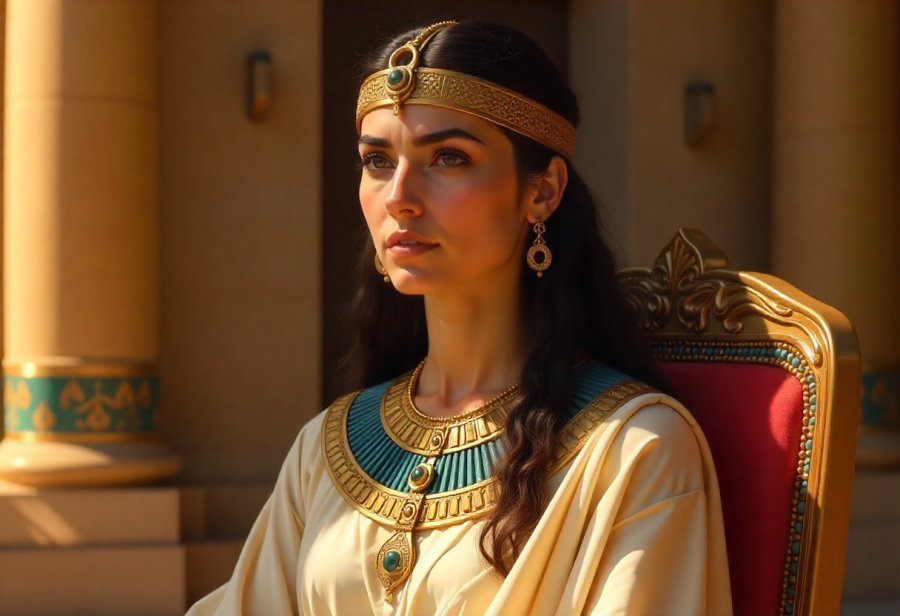
Legacy of Genius: Celebrating Cleopatra’s Enduring Influence
Cleopatra’s legacy goes far beyond her reputation for beauty or romantic liaisons. At its core, it is built on her extraordinary intellect, strategic mind, and diplomatic finesse—qualities that enabled her to steer Egypt through turbulent times and extend its independence longer than many expected. Her mastery of multiple languages, her patronage of Alexandria’s renowned library, and her support for scholars highlight her deep commitment to knowledge and learning. These pursuits were more than personal interests; they were deliberate tools she wielded to strengthen her influence and craft alliances that served her kingdom’s interests.
What truly set Cleopatra apart was her ability to leverage her intelligence in a male-dominated world. She demonstrated that leadership rooted in wit and wisdom could be just as powerful—if not more so—than superficial charms or brute force. Her relationships with Julius Caesar and Mark Antony were carefully calculated strategic moves, designed to protect Egypt’s sovereignty and secure her position. She skillfully used cultural symbols, language, and religious authority to legitimize her rule across diverse audiences, showing that influence often depends on perception as much as on power.
Her leadership offers lessons that remain relevant today. It shows that influence isn’t solely about dominance; it’s about understanding people, circumstances, and the importance of strategic thinking. Cleopatra’s example encourages modern leaders—regardless of gender—to prioritize knowledge, resilience, and adaptability. Cultivating these qualities helps navigate complex situations, foster meaningful relationships, and make impactful decisions. Her ability to think ahead, respond swiftly to crises, and influence through insight made her a master strategist whose impact extended well beyond her era.
Studying her life reveals that true power resides in the mind. Her resilience, curiosity, and capacity for strategic insight are enduring assets that continue to inspire. Embracing her example reminds us that leadership is an ongoing journey of growth—developing mental agility and influence day by day. Her story teaches that lasting impact comes from cultivating knowledge and clarity of vision, especially in uncertain times. In a world often obsessed with surface appearances, Cleopatra’s life underscores that genuine influence springs from depth, understanding, and wisdom.
Her legacy endures because it demonstrates that leadership rooted in intelligence and cultural awareness can transcend time. Cleopatra proved that strategic thinking and resilience are more powerful than superficial charms or brute strength. Her example continues to inspire, emphasizing that the most meaningful leadership is built on insight, adaptability, and the ability to inspire through wisdom. By reflecting on her life, we recognize that true influence is a product of the mind’s capacity to learn, adapt, and lead with purpose.