In a digital world increasingly disconnected from nature, tending a garden together offers a powerful pathway to deeper bonds and emotional healing. This compelling exploration reveals how shared gardening activities—planting, watering, and nurturing—do more than cultivate crops; they cultivate trust, communication, and resilience. Could the simple act of working side-by-side in soil transform relationships, turning routines into rituals of patience, support, and mutual growth? The narrative highlights how gardening’s calming, meditative qualities foster vulnerability, encourage honest conversations, and mirror personal development. With tangible benefits for mental and physical well-being, shared gardening becomes a metaphor for nurturing love and healing. As innovations and community initiatives expand accessibility, could this timeless activity become a universal tool for emotional resilience and connection? From personal stories to future possibilities, this journey into the healing power of tending plants underscores that growing together isn’t just about plants—it’s about cultivating a more connected, resilient humanity.
Cultivate Bonds Through Shared Gardening Moments
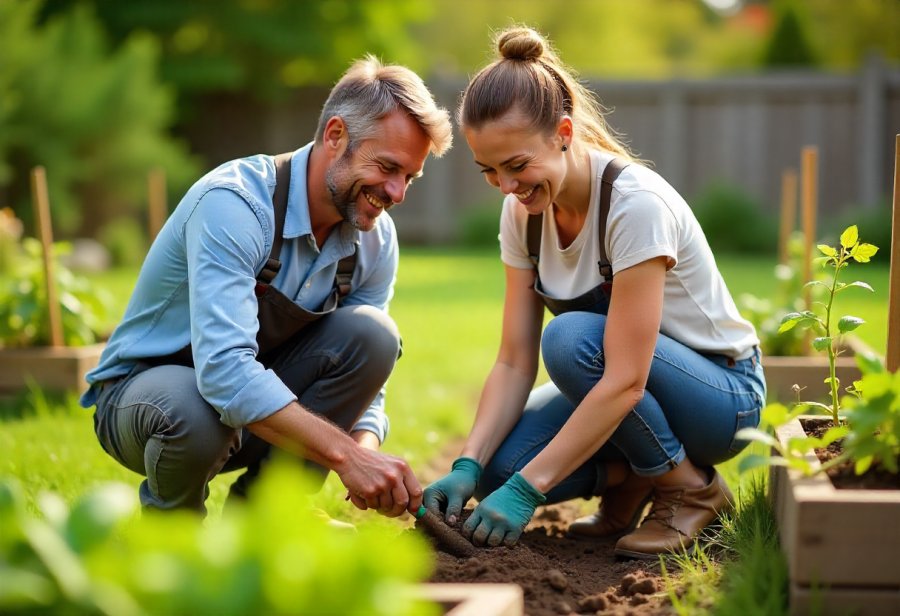
Sharing garden activities can do more than just help plants thrive; it can also deepen emotional bonds in a surprisingly natural way. When people work side-by-side—planting seeds, watering rows, or weeding—they engage in a shared effort that fosters connection without the need for grand gestures or constant conversation. These quiet moments create a space for genuine interaction, encouraging trust and understanding to blossom organically.
Gardening acts as a calming, meditative practice that invites vulnerability and openness. As participants nurture life together, they often find themselves talking more freely about feelings and experiences. Caring for something tangible, like a plant or a vegetable, serves as a mirror for nurturing a relationship, emphasizing patience, support, and persistence. Watching a garden grow becomes a shared achievement, strengthening the sense of partnership and mutual reliance.
This activity naturally encourages communication, especially when setbacks like pests or weather challenges arise. Working through these obstacles together builds resilience and reinforces the idea that support and teamwork are vital, whether in the garden or in life. The physical act of tending plants lowers defenses, making it easier to discuss emotions and build trust in a relaxed environment.
Beyond the emotional benefits, gardening provides a powerful metaphor for growth and healing. As plants develop through consistent care, relationships can flourish in a similar way. Seeing tangible progress in a shared project reinforces optimism and patience, reminding us that meaningful bonds need time and attention to thrive. Watching the fruits of their labor blossom fosters a sense of accomplishment that fuels emotional resilience.
Connecting with nature through gardening taps into a universal instinct to nurture and be nurtured. In a world increasingly dominated by screens and digital interactions, sharing time outdoors becomes a vital way to reconnect. It shifts focus from virtual worlds to real, sensory experiences—grounding us and creating opportunities for honest, heartfelt conversations.
In essence, gardening together isn’t just about cultivating plants. It’s about cultivating trust, patience, and emotional openness—building a foundation that can support stronger, healthier relationships. Whether as a couple, friends, or family members, tending a garden side-by-side offers a simple yet powerful way to nurture bonds that can withstand life’s inevitable ups and downs.
Harness Nature’s Healing Power for Emotional and Physical Well-being
Spending time outdoors and engaging in gardening can have a profound effect on both emotional and physical well-being. Being surrounded by greenery and natural elements helps reduce stress and cultivates a deep sense of calm that’s often hard to find elsewhere. Simple acts like planting seeds or sitting quietly in a garden can lower cortisol levels—the hormone linked to stress—while simultaneously boosting feelings of happiness and relaxation. These moments of connection with nature act as a mental reset, offering a much-needed break from digital distractions and daily pressures.
Gardening also encourages mindfulness by anchoring attention to the present moment. Focusing on soil, plants, and the natural environment helps quiet mental clutter and promotes clarity. This full engagement with the physical world balances emotional health and fosters a grounded sense of well-being. Sharing this mindful activity with others creates a space for genuine conversation amid watering, pruning, and harvesting routines, deepening emotional bonds through shared presence.
Beyond emotional benefits, gardening offers tangible physical health perks. The gentle movements involved—digging, weeding, watering—strengthen muscles, improve flexibility, and boost cardiovascular health. Spending time outdoors also increases vitamin D levels, which supports immune function and overall vitality. These physical benefits make gardening a holistic activity that nurtures both body and mind, reinforcing its role as a natural form of therapy.
Throughout history, many cultures have recognized gardening as a healing practice. In ancient China, gardens served as sacred spaces for meditation and social bonding, emphasizing harmony between humans and nature. Similarly, Zen gardens in Japan foster mindfulness and shared rituals, creating environments that support emotional balance. These traditions highlight that caring for plants isn’t just about growth—it’s a pathway to emotional resilience and collective well-being.
Sharing the act of gardening amplifies its emotional impact. Working side-by-side to plant or tend to a garden sparks meaningful conversations and mutual support. Watching shared efforts turn into blooming flowers or thriving vegetables offers a powerful sense of accomplishment, reinforcing optimism and patience. This process mirrors relationship growth, reminding us that nurturing life—whether in the soil or in relationships—requires time, care, and consistency.
Research consistently shows that gardening can serve as a therapeutic tool for emotional healing. People who garden together report increased happiness, reduced anxiety, and stronger social bonds. Whether supporting a partner through challenges or helping friends recover from loss, tending to a garden becomes a quiet yet powerful act of nurturing mental health. It’s a simple activity, but one with transformative potential for connecting us to ourselves, others, and nature.
Foster Trust and Growth Amidst Garden Care
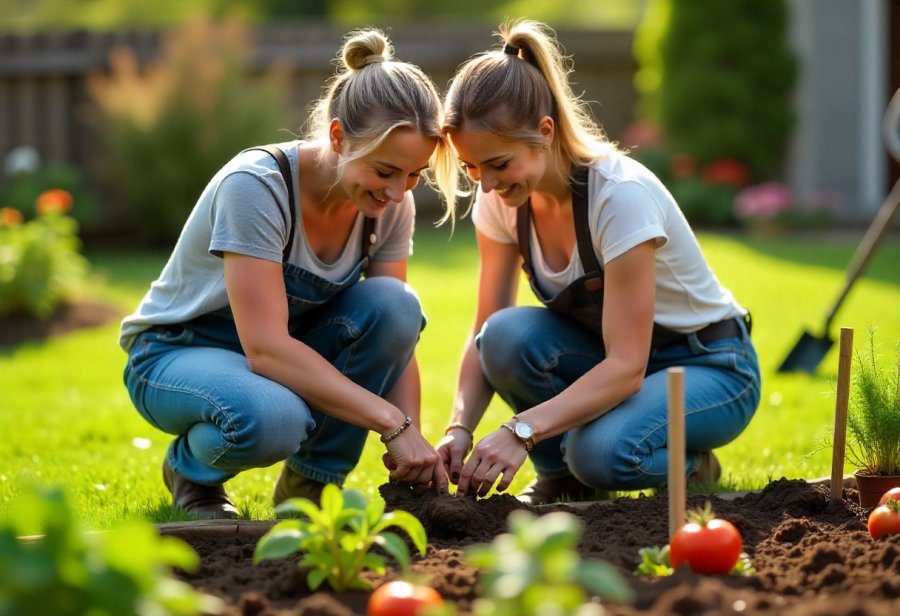
Gardening activities create a natural environment that fosters emotional sharing and deepens trust. When people work side-by-side planting seeds, watering, or tending to a shared space, conversations tend to flow more easily than in typical settings. The act of nurturing something together encourages openness because it builds a sense of mutual effort and shared purpose. As plants grow through collective care, they serve as visible symbols of what can be achieved when individuals support each other, reinforcing bonds and fostering a sense of teamwork.
Working together in the garden teaches patience and resilience. Gardening demands consistent effort over time, which naturally cultivates reliability and trust. Seeing tangible results—like blooming flowers or healthy vegetables—deepens confidence in each other’s contributions. This shared success creates a positive feedback loop, strengthening emotional bonds and encouraging more open communication. The garden becomes a safe space where vulnerabilities are easier to share and resilience is built through ongoing support.
The physical act of caring for plants also lowers emotional barriers. Tending to soil and greenery is calming, inviting vulnerability and making it easier to discuss feelings. Supporting each other through setbacks like pests or bad weather teaches reliance and reassurance, reinforcing trust. These shared challenges mirror relationship struggles, illustrating that mutual care and patience are vital for growth both in the garden and in life.
Beyond the practical, gardening offers a powerful metaphor for growth and healing. Watching plants develop through collective effort reinforces optimism and patience, showing that emotional growth takes time and nurturing. Observing the fruits of shared labor fosters confidence that difficulties can be overcome and bonds can deepen with consistent care. Gardening becomes a quiet but potent symbol of mutual development, emphasizing that trust and emotional openness flourish when tended with care.
Research confirms that couples and friends who garden together tend to develop stronger bonds and better communication. The act of nurturing life side-by-side reduces stress and heightens feelings of closeness. It’s not just about plants; it’s about the shared journey of care and patience that underpins trust and emotional connection. Gardening, in this way, becomes a simple yet powerful tool for mutual growth, supporting healthier, more resilient relationships.
Incorporate Gardening Routines to Deepen Relationships
Incorporating gardening into daily or weekly routines offers a simple yet meaningful way for couples and individuals to nurture their relationships. Starting with small, regular activities—like dedicating a weekend morning to plant herbs or flowers—can transform gardening into a cherished shared ritual. These consistent moments of teamwork foster a sense of partnership and create natural opportunities for conversation, making gardening more than just a chore; it becomes a bonding experience that deepens connection over time.
Setting achievable goals keeps motivation high and provides a sense of progress. Whether it’s tending a vegetable patch or creating a colorful flower bed, celebrating milestones like the first bloom or a successful harvest reinforces positive feelings and shared pride. These small victories serve as emotional anchors, turning gardening into a rewarding part of everyday life and strengthening bonds through shared accomplishment.
Incorporating gardening into routines like watering plants in the evening or preparing the garden space together before dinner keeps the activity consistent without feeling burdensome. These small acts weave gardening into daily life, making it a natural extension of care and support. As routines develop, they foster stability and ongoing involvement, transforming gardening into a treasured tradition that encourages ongoing communication and emotional closeness.
Stories from real-life examples highlight how these routines can deepen bonds. For instance, Sarah and Tom found that tending their vegetable garden became a weekly ritual that helped them reconnect after busy days. Lisa, who used gardening to recover from loss, shared quiet moments with her mother, nurturing plants that brought comfort and closeness. Such stories illustrate how even modest routines in the garden can serve as powerful anchors for emotional health and mutual support.
Of course, practical challenges like limited space or busy schedules can make regular gardening tricky. Resources such as container gardens, vertical planters, or community plots can help overcome space constraints and make gardening accessible. Flexibility and creativity are key—adapting routines to fit different circumstances ensures that the benefits of shared gardening remain within reach for everyone.
Planning ahead and staying adaptable are essential to maintaining a steady, supportive gardening routine. Whether it’s a few minutes of watering or a weekend planting session, these acts of care build trust, patience, and understanding. Over time, tending a garden together becomes more than an activity; it evolves into a meaningful way to grow closer, offering stability and emotional resilience through shared effort.
Ultimately, turning gardening into a regular part of life nurtures more than plants—it cultivates trust, patience, and connection. The consistency of caring for something living together creates a foundation that can withstand life’s ups and downs. When small acts of care become routine, they foster a sense of shared purpose and emotional growth, making gardening a powerful tool for building stronger, healthier relationships.
Embrace the Future of Gardening as a Pathway to Connection and Healing
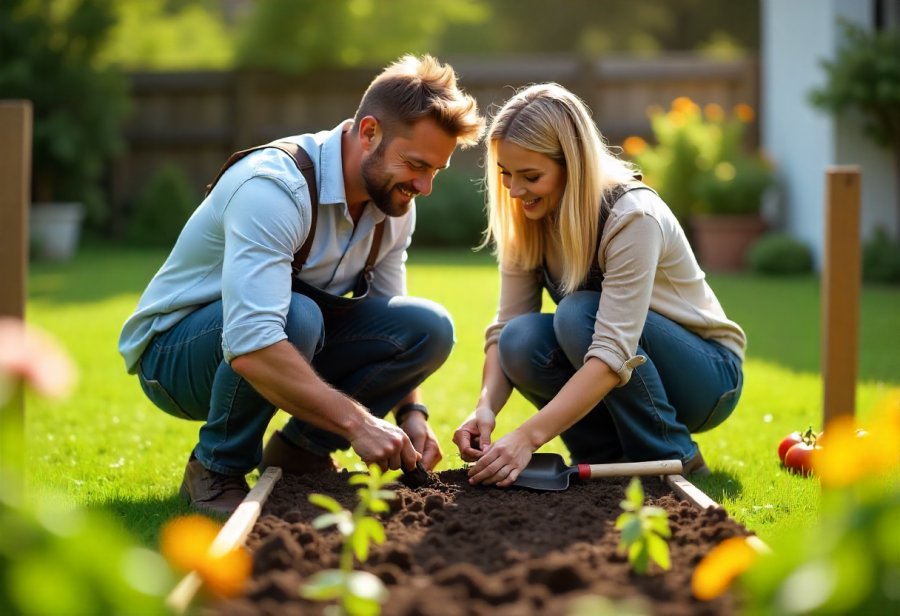
Gardening as a way to strengthen relationships and foster healing holds significant promise for the future. As awareness of the mental health benefits of spending time outdoors and working with nature continues to grow, more people are discovering the power of shared gardening activities as accessible tools for emotional resilience. Community gardens, urban greening projects, and therapeutic horticulture programs are expanding, making it easier for individuals and families to experience the restorative and bonding effects of tending plants together.
Advancements in gardening tools and design are opening new opportunities for inclusivity. Raised beds, container gardening, and vertical planting systems allow those with limited space or mobility to participate fully. These innovations emphasize that nurturing connections doesn’t require vast land—just a bit of creativity and intention. As resources like online tutorials, local workshops, and community initiatives become more widespread, barriers to entry diminish, creating a broader reach for the healing potential of gardening.
Technology is also poised to deepen the ways we connect through plants. Apps that facilitate planning, tracking, and sharing gardening projects can foster collaboration across distances. Virtual gardening communities and social platforms centered on plant care offer opportunities for support, advice, and shared experiences, regardless of physical proximity. These digital tools can amplify the therapeutic and relationship-building qualities of gardening, turning it into a global movement focused on healing and connection.
However, challenges remain, especially in urban environments where space is limited and busy schedules can interfere with routine care. Not everyone has easy access to resources or the physical ability to tend a garden. Addressing these hurdles through solutions like community plots, shared tools, and simplified routines ensures that the benefits of gardening are accessible to a diverse range of people. Flexibility and inclusivity will be key to sustaining its positive impact.
Looking ahead, integrating gardening into formal therapy, relationship counseling, and wellness programs could significantly amplify its benefits. As research highlights its role in mental health support, professionals may increasingly recommend gardening as part of holistic healing strategies. This recognition could legitimize gardening as a valuable therapeutic tool, inspiring innovation and wider adoption across various settings.
Sharing success stories and personal experiences will continue to play a vital role in inspiring others to explore the healing power of tending plants together. When people see how gardening has helped someone rebuild trust, find peace, or deepen bonds, they’re more likely to give it a try themselves. These stories foster a sense of community and normalize the activity as a simple yet profound way to nurture both soil and soul.
In essence, the future of gardening as a relationship healer is bright. It echoes our deep-rooted desire for growth, care, and connection. As new methods, technologies, and programs emerge, we are reminded that tending to the earth can be a gentle act of healing that nurtures not only plants but also our most vital relationships. Through shared effort and patience, we plant seeds for stronger, more resilient bonds that can flourish amid life’s inevitable storms.