




Imagine a world where a simple battery check can prevent the nightmare of unexpected breakdowns—sounds too good to be true? Your car’s battery, often overlooked until it fails at the worst moment, holds the key to worry-free driving. Regular inspections of terminals, cables, and voltage levels are quick habits that can save you time, money, and stress. Advances in technology now empower you with onboard monitoring systems, portable testers, and smartphone apps that make maintenance effortless and accessible for everyone. But are you truly paying enough attention to this vital component? Understanding how environmental factors like cold and heat impact battery life, and leveraging modern tools to catch early signs of decline, transforms routine care into proactive protection. How much longer will you wait to take control of your vehicle’s reliability? With a little effort, you can keep your journeys smooth, safe, and stress-free—starting today.

Discover the Vital Role of Your Car’s Battery for Reliable Drives
Your car’s battery often doesn’t get the attention it deserves—until it suddenly fails, leaving you stranded at the worst possible moment. It’s easy to overlook something as small as a battery, but the truth is, it plays a crucial role in your vehicle’s reliability. A quick, regular check can make all the difference in preventing unexpected breakdowns and the stress that comes with them. When your battery is healthy, starting your car feels effortless, and you can get on with your day without worry.
Think of your car battery as the heart of your vehicle’s electrical system. It supplies the power needed to start the engine and keeps everything from headlights to your infotainment system running smoothly. Inside, chemical reactions between lead plates and sulfuric acid generate electricity, which is stored and ready to deliver when needed. Once the engine is running, the alternator takes over, recharging the battery and powering your car’s electronic features. Without a healthy battery, your vehicle simply won’t start, and those little conveniences—like navigation or music—become inaccessible.
Recognizing how vital the battery is can motivate you to give it the attention it deserves. Many issues linked to battery failure are actually easy to spot early, with just a little routine inspection. Notice if your engine takes longer than usual to start or if your headlights seem dimmer than normal—these are often signs the battery is weakening. Regularly checking the terminals for corrosion, ensuring cables are tight, and monitoring the overall condition can help you catch problems before they turn into roadside emergencies. The good news is, caring for your battery doesn’t require a mechanic’s toolbox—simple habits like cleaning corrosion, securing connections, and performing voltage checks can go a long way.
Environmental factors also play a significant role in your battery’s lifespan. Cold weather reduces capacity, making it harder to start your vehicle during winter, especially if the battery is already aging. Conversely, extreme heat can accelerate internal damage, shortening its overall life. Short trips that don’t give the battery enough time to recharge drain its energy faster. Being aware of these influences allows you to adjust your maintenance routine—like using a battery warmer in winter or avoiding unnecessary short drives—helping extend your battery’s life and keep your vehicle dependable.
Thanks to recent advances in technology, maintaining your battery has become easier than ever. Many modern cars now include onboard systems that monitor battery health and send alerts if something’s amiss. Portable diagnostic tools and smartphone apps make it simple to check your battery’s condition without specialized skills. These tools can measure voltage, internal resistance, and overall capacity, giving you a clear picture of how your battery is holding up. Using these innovations regularly turns routine maintenance into a proactive process, helping you identify potential issues early and avoid roadside surprises. Staying informed about your battery’s health means fewer breakdowns and more confidence behind the wheel.
Incorporating these simple checks into your routine transforms how you care for your vehicle. Regularly inspecting terminals, tightening connections, and testing voltage are quick steps that prevent major headaches. When you treat your battery as part of your normal vehicle maintenance, you’re not just avoiding breakdowns—you’re also prolonging its lifespan and ensuring smoother, stress-free drives. Investing a few minutes now can save you from inconvenient breakdowns later, making worry-free driving a realistic goal rather than just an aspiration. With a little attention, your car’s battery can keep pace with your busy life, powering your journeys reliably and confidently.

Simple Yet Effective Practices to Keep Your Battery in Top Shape
Maintaining a healthy vehicle battery doesn’t require complex procedures; often, simple habits make the biggest difference. One of the easiest yet most effective practices is inspecting the battery terminals regularly for corrosion. This buildup appears as a white, green, or bluish film around the connections and can seriously hinder the flow of electricity. When corrosion is present, gently cleaning it off with a mixture of baking soda and water or a dedicated battery cleaner can restore a solid connection. Keeping the terminals clean not only prevents further corrosion but also ensures your electrical system remains reliable and responsive.
Another crucial step is ensuring the cables are firmly attached. Loose or corroded connections can cause start-up issues or inconsistent electrical performance, especially in colder weather or as the battery ages. When you check, give the cables a gentle push and wiggle to confirm they’re tight. Tightening loose connections is often a quick fix that can restore proper power flow immediately, saving you from being stranded due to a simple wiring problem. Regularly verifying cable security is a straightforward way to maintain a steady electrical supply to your vehicle.
Examining the physical condition of the battery itself is just as important. Look for cracks, bulges, or leaks on the casing—signs that the battery might be damaged or nearing failure. Damaged batteries can be dangerous and unlikely to hold a proper charge, which could leave you stranded unexpectedly. If you notice any cracks or leaks, replacing the battery promptly is the safest move. Staying alert to signs of physical wear helps prevent surprises, especially during extreme weather conditions that can accelerate internal damage.
Testing your battery’s voltage periodically adds a layer of protection. Using a multimeter, you can easily check whether your battery is holding a proper charge. When fully charged, a healthy car battery should read above 12.6 volts. If the voltage drops significantly below that, it indicates the battery may be weak or nearing the end of its lifespan. This simple test doesn’t require advanced skills and can be performed at home, giving you a quick snapshot of your battery’s health before any issues arise. Catching early signs of decline allows you to plan for replacements before being caught off guard.
Environmental factors significantly influence how long your battery lasts. Cold weather can reduce its capacity, making it harder to start your vehicle during winter, especially if the battery is already aging. Conversely, high temperatures can speed up internal deterioration, shortening the overall lifespan. Short trips that don’t allow the battery enough time to recharge drain its energy faster. Being aware of these influences helps you adapt your maintenance routine—using a battery warmer in winter or avoiding unnecessary short drives—ultimately extending your battery’s life and ensuring consistent performance.
Thanks to technological advances, maintaining your battery has become more straightforward than ever. Many modern vehicles now feature onboard systems that monitor battery health and send alerts if something’s wrong. Portable diagnostic tools and smartphone apps make it easy to check your battery’s condition without special skills. These devices can measure voltage, internal resistance, and overall capacity, providing a clear picture of how well your battery is performing. Regular use of these tools turns routine checks into proactive maintenance, helping you spot potential problems early and avoid roadside emergencies.
In addition to onboard systems, portable battery testers have simplified the process further. Compact and user-friendly, these devices connect directly to your vehicle’s diagnostic port or battery terminals and provide detailed insights into your battery’s health. Many models sync with smartphone apps, allowing you to see real-time data and historical trends. This information helps you identify gradual declines in performance, so you can replace your battery before it fails unexpectedly. Using these tools regularly keeps you ahead of problems and ensures your vehicle remains dependable.
Smartphone apps and advanced testing devices are designed with user-friendliness in mind, making battery maintenance accessible to everyone. You don’t need to be a mechanic to get an accurate reading of your battery’s condition. With just a few taps, you can check internal resistance, capacity, and voltage—key indicators of health. This democratization of technology empowers you to take charge of your vehicle’s reliability, saving money and time while reducing the risk of sudden breakdowns. Staying informed through these modern tools transforms routine maintenance into an easy, manageable part of your car care routine.
Incorporating these simple, modern practices into your regular vehicle maintenance routine makes a significant difference. Routine inspections—checking terminals, tightening connections, and testing voltage—are quick steps that can prevent major headaches down the road. When you give your battery the attention it deserves, you’re not just avoiding breakdowns—you’re also extending its lifespan and boosting your vehicle’s overall reliability. Investing a few minutes now pays off with smoother drives and fewer surprises, ensuring your journeys are as stress-free as possible. With consistent care, your car’s battery can keep pace with your busy life, powering your adventures confidently.
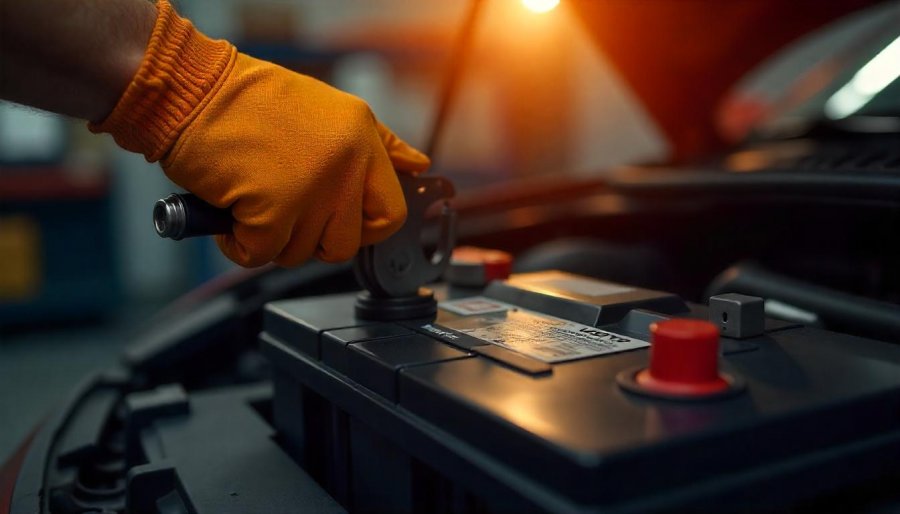
Harnessing Modern Technology for Proactive Battery Maintenance
Modern battery maintenance has become more accessible and effective thanks to the rapid advancement of technology. Today’s vehicles often come equipped with onboard systems that continuously monitor battery health, providing real-time updates and early alerts if something is amiss. These systems track key parameters like voltage levels and performance metrics, allowing you to stay ahead of potential issues before they escalate into breakdowns. Instead of waiting for symptoms like dimming lights or slow starts, you receive instant notifications that help you address problems proactively, saving time and preventing roadside emergencies.
Alongside onboard diagnostics, portable battery testers have revolutionized how we care for our vehicle’s power source. Compact and user-friendly, these devices connect directly to your car’s diagnostic port or battery terminals and deliver detailed insights into your battery’s condition. Many models now integrate with smartphone apps, making it easy to check your battery’s health with just a few taps. They measure internal resistance, capacity, and voltage—more comprehensive indicators than a simple voltage check—giving you a clearer picture of whether your battery is still reliable or nearing the end of its life. Regularly using these tools helps you identify declining performance early, so you can plan for replacements before being stranded.
Smartphone apps have further simplified battery health monitoring. Many automakers now include dedicated apps or integrate battery monitoring into their vehicle management systems, providing real-time data at your fingertips. These apps display current charge levels, health status, and even track historical performance trends, making it easier to spot gradual declines over time. This digital approach transforms routine maintenance into an easy, informed process, empowering you to stay on top of your vehicle’s electrical health without needing specialized training or tools. With instant access to critical data, you can make smarter decisions about when to replace or service your battery.
Beyond basic monitoring, more advanced testing devices now evaluate your battery’s capacity with greater accuracy than traditional methods. While a voltmeter can give you a quick snapshot, sophisticated testers analyze internal resistance and overall capacity—key indicators of how much life your battery has left. These tests can be performed at home or by professionals, providing valuable insights into when a replacement is truly necessary. By understanding these detailed performance metrics, you avoid unnecessary replacements and ensure your vehicle remains dependable, especially during extreme weather conditions or demanding driving situations.
The user-friendliness of modern tools means that maintaining your battery no longer requires expert knowledge. Most diagnostic devices and mobile apps are designed with simplicity in mind, allowing anyone to perform accurate assessments. A few straightforward steps—connecting a tester, opening an app—are enough to get detailed, actionable information about your battery’s health. This democratization of technology puts control directly into your hands, making proactive maintenance feasible and affordable. Regularly checking your battery’s condition becomes a quick, routine part of your vehicle care, rather than a chore reserved for professionals.
By integrating these innovative practices into your regular maintenance routine, you can significantly extend your battery’s lifespan and ensure your vehicle remains reliable year-round. Routine checks—using onboard alerts, portable testers, or smartphone apps—are quick, easy, and highly effective in catching issues early. This proactive approach not only prevents unexpected breakdowns but also saves you money and stress in the long run. With the right tools and habits, maintaining a healthy battery becomes second nature, turning what was once a complex task into an effortless part of caring for your vehicle. In the end, these modern techniques keep your journeys smooth, safe, and worry-free.