Imagine transforming fear into freedom—learning to swim at any age can make this a reality. But what if the greatest obstacle is simply taking that initial courageous step? This journey isn’t just about strokes and floating; it’s about building confidence, ensuring safety, and unlocking a lifetime of water-based joy. From ancient times to modern innovations, water skills have shaped cultures and saved lives, emphasizing their timeless importance. Today, cutting-edge technology and inclusive programs make learning more accessible than ever, breaking down barriers for beginners, seniors, and those with disabilities. The process emphasizes progress over perfection, with small victories leading to lasting confidence. Whether wading into the shallow end or swimming in open water, each step toward mastery transforms hesitation into empowerment. Are you ready to embrace the water’s potential to change your life? The journey begins with a single brave move—why not start today?
Begin Your Water Confidence Journey: Discover the Transformative Power of Learning to Swim
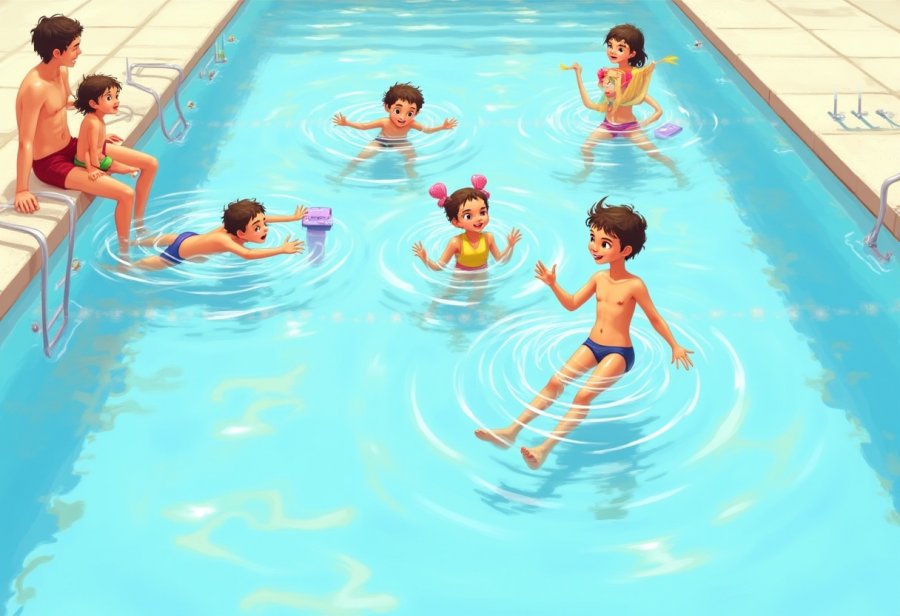
Learning to swim is a skill that can truly transform how you see and experience water. For many, the water initially feels like a source of anxiety or even fear, but taking that first step into the pool often marks the beginning of a powerful journey. It’s not just about learning strokes or floating—it’s about gaining confidence, building safety, and opening up new possibilities for fun and adventure at any age.
This journey is deeply personal and accessible to everyone. Whether you’re a child hesitant to leave the shallow end or an adult facing years of reluctance, every small step counts. Dipping toes in the water, practicing breathing exercises, or floating for the first time—these moments may seem simple, but they set the foundation for a lifetime of water confidence. With patience and persistence, those initial nerves can turn into a sense of mastery and enjoyment.
The beauty of learning to swim lies in its universal relevance. No matter your background, age, or experience level, water skills are essential for safety and open up a world of leisure and health benefits. Swimming is a low-impact exercise that strengthens muscles, boosts cardiovascular health, and relaxes the mind. Beyond physical benefits, overcoming water fears can boost your overall confidence, empowering you to participate more fully in life’s water-based moments.
The process isn’t about perfection; it’s about progress. Each small victory—whether floating for a few seconds or taking a few strokes—builds trust in your body and mind. Support from instructors, friends, or family can make the journey smoother, but the most important step is simply deciding to begin. Once you start, you’ll discover that water, once intimidating, becomes a space of freedom, joy, and resilience.
Learning to swim at any age is a testament to the human spirit’s capacity for growth. It’s about breaking barriers, facing fears, and embracing new skills that last a lifetime. That first courageous plunge might seem daunting, but it’s also the moment that opens the door to confidence, safety, and endless possibilities in and around the water. Taking that step is the most significant move you’ll ever make on your water confidence journey.
Trace the Rich History and Cultural Significance of Swimming Across Civilizations
Swimming has a history that spans thousands of years, reflecting its vital role in human life across cultures and eras. In ancient Egypt, wall paintings from around 2000 BCE depict children learning to swim in the Nile, highlighting water skills as essential for survival in flood-prone regions. These early images show that swimming was more than leisure; it was a necessary safety skill passed down through generations. Such practices underscored water competence as a crucial aspect of daily life, especially in communities where water was a constant presence.
In Greece and Rome, swimming gained recognition as both a physical discipline and a social activity. The Greeks celebrated swimming as part of athletic training and military preparedness, often immortalized in their art and literature. Romans, on the other hand, built elaborate baths and public pools that became centers of social life, emphasizing hygiene, relaxation, and community bonding. Swimming in these cultures was intertwined with notions of health and social status, elevating it beyond mere survival.
Across coastal and riverine communities worldwide, water skills became integral to cultural identity. Fishermen, sailors, and island dwellers relied on swimming for their livelihoods and safety. These groups developed unique techniques and traditions, passing them down through stories, rituals, and practical training. Over time, mastering water skills became a symbol of resilience and cultural pride, reinforcing the importance of water safety and competence within their communities.
The formalization of swimming instruction emerged gradually through history. In ancient Egypt, learning was often informal, learned within families or local groups. As societies advanced, organized lessons appeared, especially in Greece and Rome, where physical education and military drills incorporated water training. During the Middle Ages, water skills persisted informally, especially in water-adjacent communities, but the focus on safety and technique grew with increasing awareness of drowning risks.
The 19th century marked a turning point, with the rise of public swimming pools, safety standards, and organized lessons. Driven by urbanization and public health concerns, these developments made swimming accessible to broader populations. Today, the legacy of these diverse origins shapes how we view swimming—not just as a sport or pastime but as a fundamental life skill rooted in history, culture, and resilience. Recognizing this rich past reminds us that water skills connect us across time and cultures, emphasizing their timeless importance.
Explore Modern Innovations and Trends Shaping Today’s Swimming Education
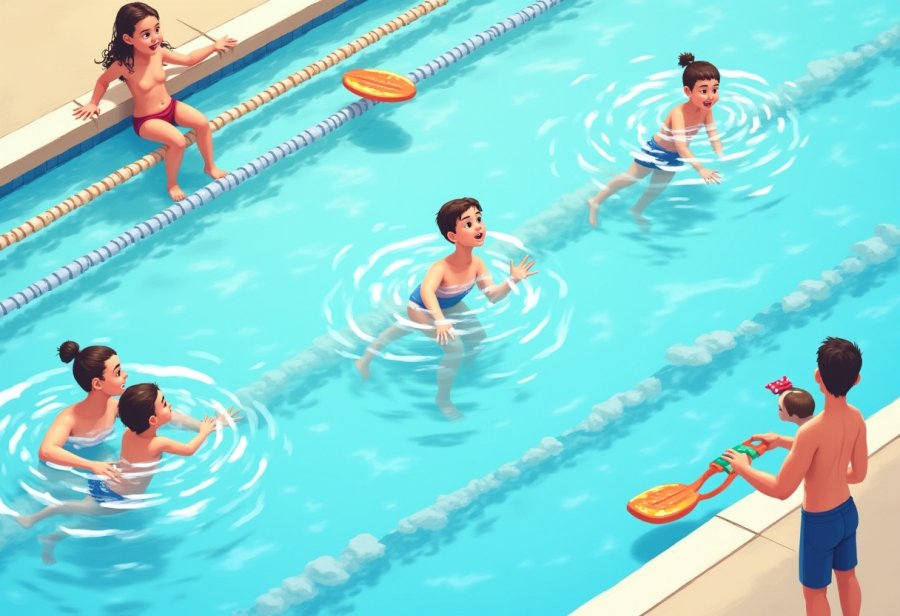
Today, learning to swim is more accessible and engaging than ever, thanks to a blend of innovative teaching methods and cutting-edge technology. Instructors now frequently incorporate video analysis, virtual reality, and online tutorials, creating personalized, interactive experiences tailored to diverse learning styles. These tools make it easier for learners to see their progress, correct techniques in real-time, and stay motivated throughout their journey. As a result, the process of building water confidence feels less intimidating and more achievable for people of all ages.
Regional differences continue to shape current teaching practices. Coastal communities often emphasize open-water safety, teaching skills necessary for navigating the sea’s unpredictable nature. In contrast, inland areas tend to focus on pool-based lessons that prioritize stroke techniques, rescue skills, and safety protocols. Despite these regional variations, the core goal remains the same: helping everyone swim confidently and safely, regardless of their environment. These approaches reflect local needs but share a commitment to making water skills accessible.
Inclusivity is a growing focus in modern swimming instruction. Specialized programs now serve children with disabilities, older adults overcoming fears, and complete beginners seeking gentle introductions. These initiatives aim to break down barriers that once prevented many from learning, fostering a culture where water safety and confidence are universal. This inclusiveness not only broadens participation but also promotes a more diverse and supportive water community.
Safety remains at the forefront of today’s swimming education. Many programs incorporate comprehensive safety lessons, including rescue techniques, CPR, and emergency response. Standardized safety protocols ensure learners are well-prepared for real-life situations, reducing risks and encouraging responsible water habits. This shift toward a safety-first mindset makes water activities more enjoyable and less stressful, cultivating confidence alongside competence.
Technological innovations continue to expand access to water skills. Virtual coaching, mobile apps, and online tutorials allow learners to practice outside formal classes, reinforcing techniques at their own pace. These resources are especially valuable for those with limited local options or who prefer flexible schedules. They enable consistent practice, making water confidence an ongoing, accessible journey rather than a one-time event.
Despite these advancements, the importance of experienced instruction remains unchanged. Skilled teachers create supportive environments where learners feel safe to make mistakes, progress gradually, and develop trust in their abilities. Patience and personalized guidance help ensure that each individual’s water confidence grows naturally and sustainably, building a foundation for lifelong safety and enjoyment.
Looking ahead, emerging technologies like virtual reality and artificial intelligence promise to personalize training further and reach remote or underserved communities. As awareness of water safety’s importance grows worldwide, more comprehensive programs will become the norm. These trends aim to make swimming a universal skill—accessible, engaging, and essential—empowering more people to enjoy the water confidently and safely.
Unlock Practical Benefits: Safety, Health, and Social Rewards of Mastering Water Skills
Learning to swim offers practical benefits that go far beyond just moving comfortably in water. When you have water skills, you significantly reduce the risk of accidents during recreational activities like swimming at the beach, boating trips, or even casual dips in the pool. Knowing how to respond calmly and effectively in emergency situations makes water environments safer for everyone, turning potential hazards into manageable moments of control.
Beyond safety, swimming is one of the best low-impact exercises available. It engages your entire body, strengthens muscles, and boosts cardiovascular health—all while being gentle on joints. For those with injuries, mobility issues, or chronic pain, swimming provides a safe, accessible way to stay active and improve fitness. The mental benefits are equally profound; the calming effects of water help reduce stress, enhance mood, and promote overall well-being, making it a valuable tool for mental health.
Mastering water skills also opens the door to social connection. Whether it’s sharing family outings, participating in community swim programs, or trying new water sports, swimming fosters shared experiences and strengthens bonds. Overcoming water fears through proper instruction transforms anxiety into confidence, enabling you to join friends and loved ones more fully in water-based activities. This newfound confidence often encourages a more active, healthier lifestyle that’s enjoyable and sustainable.
Supporting your water learning journey with simple tools like floaties, kickboards, or fins can make the process more fun and less intimidating. These aids help you focus on specific skills such as floating, kicking, or breathing, building confidence step by step. Watching online tutorials or practicing in safe, supervised environments reinforces techniques outside formal lessons, making progress feel natural and less stressful.
Professional guidance plays a crucial role. Experienced instructors create supportive atmospheres that encourage patience and gradual learning. They help correct bad habits, tailor lessons to individual needs, and foster trust in your abilities. With consistent practice and encouragement, water confidence steadily grows, transforming water from a source of fear into a space of freedom, health, and enjoyment. Learning to swim isn’t just a skill—it’s an empowering step toward a safer, healthier, and more connected life.
Take the First Step Today: Embrace Confidence, Safety, and Joy in Water
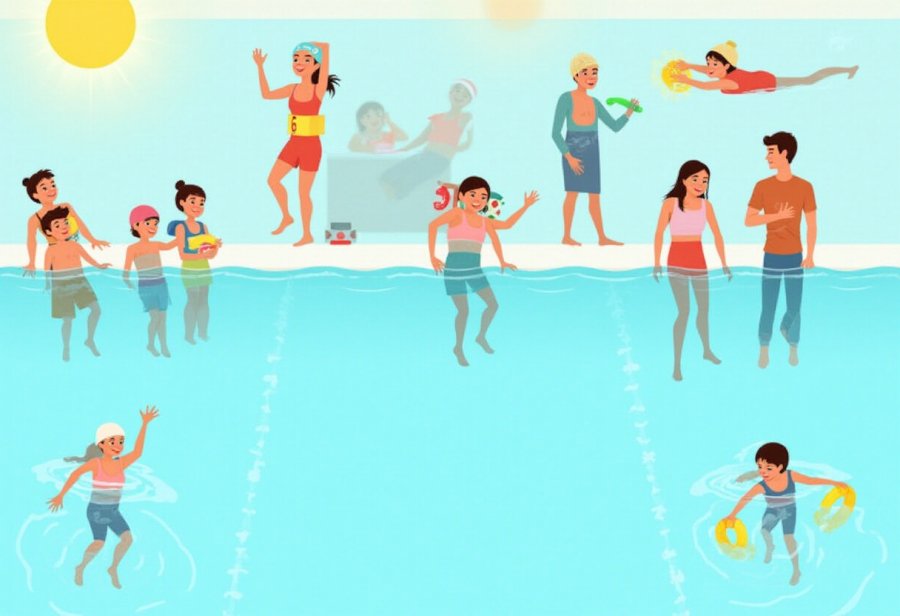
Taking that first courageous step into the water can feel intimidating, but it often becomes the most meaningful move toward building confidence and ensuring safety. Remember, every swimmer who’s confident today started exactly where you are—facing hesitation and uncertainty. The secret lies in small, manageable actions: dipping your toes in shallow water, practicing your breathing, or floating for a few seconds. Each of these steps adds up, gradually transforming anxiety into comfort and control.
Building water confidence isn’t about perfection; it’s about persistence. Celebrate every small victory—whether it’s successfully holding your breath, floating, or taking a few strokes. These moments reinforce that your body and mind can work together, turning initial fears into familiarity. Over time, what once seemed intimidating becomes just another part of your routine, opening the door to more advanced skills and independence.
Consistency makes all the difference. Regular practice, even in brief sessions, helps solidify your progress and reduces lingering fears. Be patient and gentle with yourself—learning to swim is a journey that unfolds at its own pace. Support from qualified instructors or experienced friends can make the process smoother, providing encouragement and guidance along the way. Remember, nobody masters everything overnight; progress is a series of small, meaningful steps.
As your confidence grows, so does your ability to enjoy water safely and comfortably. Whether it’s splashing in the pool, wading at the beach, or trying simple strokes, each step forward diminishes the power of fear. This newfound ease can lead to lifelong benefits—more outdoor adventures, better health, and stronger social bonds. Water ceases to be a source of worry and becomes a space of joy and opportunity.
Imagine how your life could change once that initial hesitation is behind you. The freedom to swim without fear, to participate confidently in water activities, or to respond effectively in emergencies—these are within reach when you start today. The hardest part is often just taking that first brave step, but once you do, the journey toward water confidence truly begins.
Every expert swimmer was once a hesitant beginner. Their success came from patience, consistent effort, and a willingness to start small. You don’t need to master everything immediately—just focus on making steady progress. Over time, your fears will give way to a sense of achievement and joy that can last a lifetime. So, why wait? Today is the perfect day to begin. Whether it’s standing in shallow water, practicing your breathing, or taking your first strokes, every effort counts. These small acts lay the foundation for a lifelong journey toward water confidence. Trust in yourself, stay patient, and remember: water is ready to welcome you whenever you’re ready to dive in.