What if true strength doesn’t lie in external conquest but in the quiet power of inner discipline? Marcus Aurelius exemplifies this paradox, ruling an empire while mastering himself through Stoic practices like self-control, reflection, and moral virtue. His life invites us to reconsider leadership and influence—are we overly captivated by visible displays of power, or do we undervalue the enduring strength that comes from resilience within? As chaos and upheaval challenged his reign, Aurelius turned inward, demonstrating that genuine authority stems from governing one’s mind and spirit, not just armies or territories. This timeless lesson emphasizes that cultivating inner resilience—through daily habits of patience, humility, and moral clarity—can forge a leadership rooted in authenticity and moral clarity. Can embracing this inner discipline transform not only our personal lives but also our capacity to lead in uncertain times? The legacy of Marcus Aurelius reminds us that true power begins from within and that lasting influence is built on the foundation of inner strength.
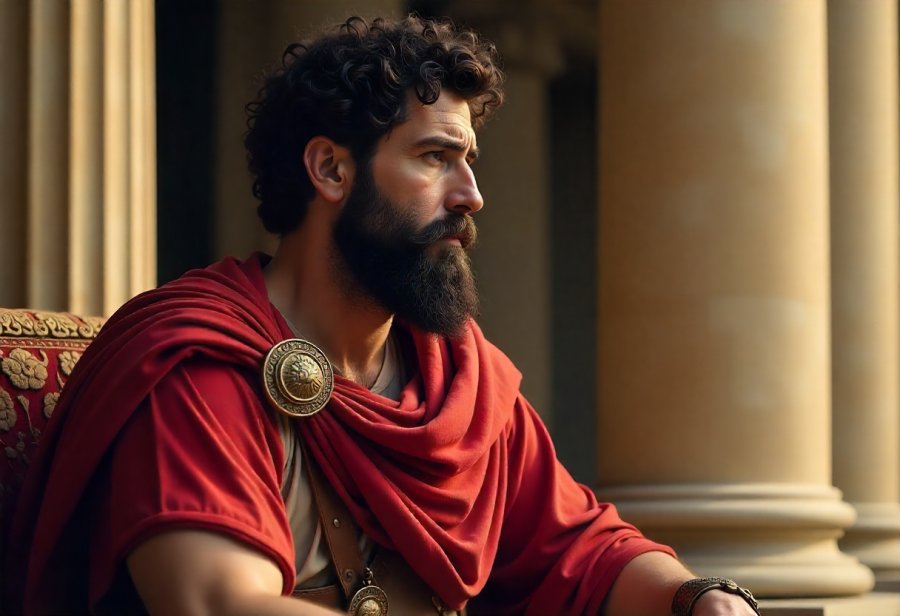
Inner Discipline: The True Power Behind Lasting Strength
Throughout history, many have equated strength with outward achievements—winning battles, expanding empires, or gaining influence. These visible markers are easy to recognize and often celebrated because they’re tangible and measurable. But beneath these external displays lies a deeper, more enduring form of power: inner discipline. This is the ability to govern oneself, maintain resilience amid chaos, and act with wisdom and moral clarity. It’s a quiet strength that doesn’t shout for attention but quietly shapes a leader’s true influence.
Take Marcus Aurelius as a prime example. As Roman Emperor, he faced relentless military threats, political unrest, and personal tragedies. Yet, behind his imperial armor was a man committed to Stoic principles—self-control, reflection, and virtue. His writings, especially in Meditations, reveal a leader who prioritized mastering his mind over wielding external power. His strength wasn’t measured by the size of his armies or the territories he controlled, but by his ability to remain calm and virtuous in the face of adversity.
This inner discipline was what allowed Marcus to lead with humility and clarity. Despite the chaos surrounding him, he practiced self-control, resisting impulsive reactions and emotional upheaval. Instead of responding to threats or setbacks with anger or despair, he turned inward, choosing actions rooted in moral virtue. It was this mental fortitude—this mastery over his thoughts and emotions—that made him a truly powerful figure, both as a ruler and as a philosopher.
The idea that true strength resides within isn’t new, but it’s often overshadowed by society’s obsession with external conquest. We tend to celebrate visible displays of dominance—battles won, political victories, grand gestures—because they’re easy to see and measure. Yet, without inner resilience, external success can be fleeting. Leaders who rely solely on outward achievements risk vulnerability, as external circumstances can shift in an instant. Inner discipline provides a steady foundation that withstands life’s inevitable upheavals.
Developing this inner strength isn’t reserved for rulers or philosophers; it’s accessible to anyone willing to cultivate it. Daily habits like reflection, self-control, and moral mindfulness gradually build resilience and clarity. Over time, these practices transform ordinary individuals into those capable of facing chaos with calm and purpose. Building inner discipline is a lifelong journey, but one that offers a power far greater than fleeting external victories.
Marcus Aurelius: A Leader’s Inner Fortress Amidst Chaos
Marcus Aurelius’s reign as Roman Emperor from 161 to 180 AD was marked by a series of formidable challenges that tested his leadership and resilience. His empire stretched across vast territories, facing constant threats from Germanic tribes along the northern frontiers and conflicts with the Parthian Empire in the East. These external pressures demanded military strength and strategic acumen, yet Marcus’s approach was rooted in wisdom and moderation rather than aggression. Despite the external chaos, he sought stability through moral virtue and prudent governance.
Beyond military threats, his rule was also marred by internal turmoil. Widespread political unrest, corruption, and the burden of managing an overextended empire weighed heavily on him. During his time in power, Rome was struck by devastating plagues that decimated populations and further destabilized society. These hardships highlighted the limits of external power and shifted his focus inward, emphasizing resilience, moral clarity, and mental discipline as the true sources of strength.
Stoicism profoundly shaped Marcus Aurelius’s worldview. He believed that while external events are beyond our control, our responses are within our power. This philosophy became the cornerstone of his leadership, guiding him through crises with patience, self-control, and moral integrity. His personal writings in Meditations reveal a leader committed to mastering his thoughts and emotions, viewing internal discipline as the path to genuine strength rather than fleeting military victories.
Marcus’s leadership style stood out for its humility and introspection. Despite commanding an empire and facing relentless threats, he recognized that true authority came from within. His ability to remain calm and virtuous amid chaos earned him respect not just as a ruler but as a moral exemplar. This internal resilience allowed him to navigate wars, plagues, and political upheaval with clarity and purpose, illustrating that genuine power springs from self-mastery.
His legacy endures because he exemplified the idea that resilience and wisdom are vital during times of upheaval. Marcus believed that external conquests fade, but the moral character and inner strength cultivated through discipline leave a lasting impact. His capacity to govern both the empire and his own mind made him a symbol of authentic leadership—one rooted in inner resilience and moral virtue. His life continues to inspire those who seek strength beyond external achievements.
Looking back, Marcus Aurelius’s example reminds us that leadership built on inner discipline can withstand even the most daunting challenges. His ability to govern with calm and integrity demonstrates that true strength isn’t measured by territory or military might but by the mastery of oneself. This perspective invites us to consider how cultivating inner resilience can shape our lives and influence those around us, especially in turbulent times.
In essence, Marcus’s reign underscores that the greatest power resides within. His life shows that enduring influence and genuine strength come from the discipline of the mind and spirit. As leaders and individuals, embracing this inner discipline offers a path to resilience, clarity, and lasting impact—proof that true strength begins from within, no matter what external storms may arise.
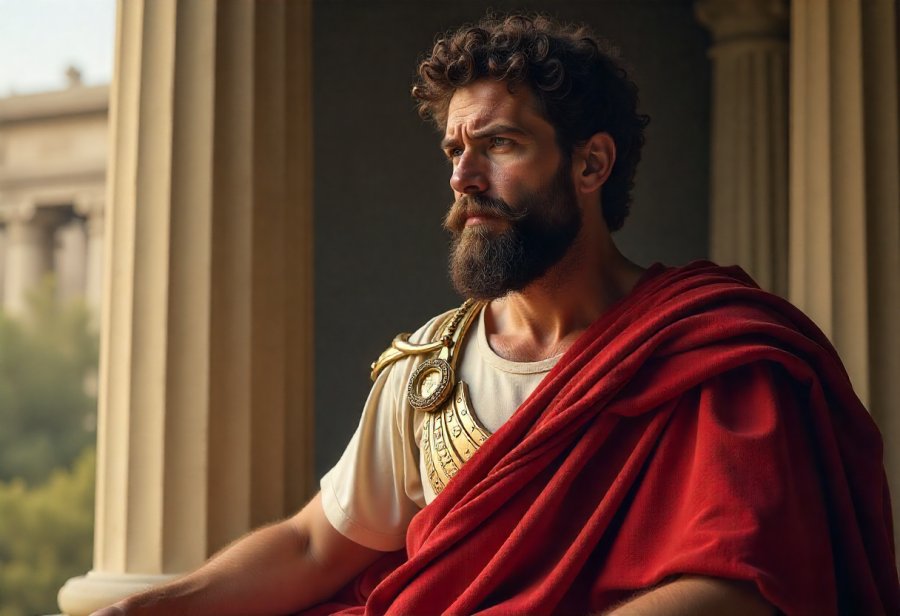
Balancing External Triumphs and Inner Resilience in Leadership
Leadership often presents a tension between outward displays of power and the inner strength that truly sustains influence. Society tends to celebrate visible symbols—commanding armies, expanding borders, delivering grand speeches—because they’re easy to notice and measure. These external achievements appear to define strength, but they can mask fragility. When a leader’s legitimacy depends solely on conquest or dominance, their authority becomes vulnerable to setbacks, internal decay, or shifting public opinion. External wins are impressive but fleeting if not supported by a solid foundation of inner resilience.
Inner strength offers a more stable form of leadership. Traits like self-control, moral integrity, and mental fortitude don’t fade when circumstances change. Leaders cultivating internal discipline can stay calm under pressure, make thoughtful decisions, and inspire loyalty through consistency. This quiet power isn’t flashy, but it creates a deep influence that endures beyond temporary victories. It’s the kind of strength that holds firm even when external applause fades or threats emerge, providing a steady core amidst chaos.
Yet, society often values external displays more than inner virtues. Media and history highlight dramatic achievements—battle victories, political triumphs, charismatic speeches—because they’re tangible and easy to showcase. This focus risks encouraging leaders to prioritize appearances over substance, making their authority more fragile. Without inner discipline, external accomplishments can be undermined by unforeseen crises or internal doubts, exposing their vulnerability. The temptation to chase external validation can overshadow the importance of moral and psychological resilience.
This ongoing tension challenges every leader: chase fleeting external success or invest in cultivating lasting inner strength. External achievements might boost morale and reputation temporarily, but without inner resilience, they lack durability. Many empires and regimes that relied solely on conquest eventually faltered because they lacked a moral or internal backbone. Leaders who develop inner discipline build a resilient core—an internal compass—that guides their actions even in chaos, making their influence less dependent on external factors.
Balancing these aspects requires awareness and intention. External accomplishments can open doors and garner applause, but genuine leadership depends on cultivating inner strength. Recognizing the difference between transient success and enduring influence allows leaders to craft a legacy rooted in integrity and resilience. Marcus Aurelius exemplifies this balance—his ability to govern both an empire and his own mind demonstrates that true power springs from within, not just from external achievements.
Ultimately, the most enduring leaders are those who understand that external power can be fleeting, but inner discipline is timeless. It’s the internal resilience that sustains influence during crises, personal setbacks, and societal upheavals. Inner strength doesn’t replace external achievements but complements them, creating a leadership style rooted in moral clarity and mental fortitude. This internal foundation ensures that influence remains steady, even when the external landscape shifts dramatically.
Applying Inner Wisdom to Modern Challenges and Personal Growth
In today’s fast-paced world, inner discipline isn’t just a lofty philosophical idea; it’s a practical tool that helps us navigate daily challenges with clarity and calm. Whether in leadership or personal life, developing self-control and moral clarity creates a stable foundation that allows us to make better decisions and respond thoughtfully, even in chaos. When these qualities become habits, they strengthen resilience and foster a sense of purpose that others can sense and trust.
On a personal level, cultivating inner discipline sharpens mental toughness. Small daily practices like mindfulness, journaling, or setting clear intentions can significantly boost self-awareness and emotional regulation. Over time, these habits build a resilient mindset that keeps us grounded during stressful moments and unpredictable setbacks. This internal strength allows us to act intentionally rather than impulsively, transforming fleeting feelings into steady, guiding principles.
For leaders, inner discipline translates into consistent, authentic decision-making rooted in integrity. When we govern impulses and emotions, we’re less likely to react impulsively or be swayed by external pressures. Instead, we approach complex problems with clarity and purpose, inspiring trust and loyalty among those we lead. This inward focus not only enhances personal effectiveness but also models moral resilience for teams, creating a culture based on stability and virtue.
The principles of inner discipline extend beyond individuals to organizations and communities. When character and moral integrity shape policies and management practices, workplaces become healthier and more cohesive. Employees feel valued and motivated when they see leaders acting with fairness, transparency, and consistency. Educational environments that emphasize character alongside skills nurture responsible, self-governing individuals capable of contributing positively to society.
Building inner discipline isn’t a one-time effort; it’s a continuous journey. Small, intentional acts—such as pausing before reacting, reflecting on core values, or practicing gratitude—compound over days and years. These habits gradually turn moments of discipline into a reliable internal compass that guides behavior in every situation. As this inner resilience deepens, it becomes second nature, empowering us to face life’s uncertainties with confidence and calm.
This ongoing commitment to inner growth not only benefits us but also sets a powerful example for others. When we demonstrate consistency, patience, and moral clarity, we inspire trust and admiration. Our calm and steady virtue can influence those around us, creating ripples that promote resilience and virtue in wider circles. In cultivating inner discipline, we lay the groundwork for a legacy rooted in authenticity and lasting strength.
Ultimately, strengthening our inner discipline transforms how we lead and how we live. It turns reactive moments into deliberate choices, chaos into clarity, and fleeting success into enduring influence. By governing our minds and spirits with intention, we build a fortress of resilience that withstands external storms. This inner strength is the true mark of leadership—timeless, dependable, and profoundly impactful.
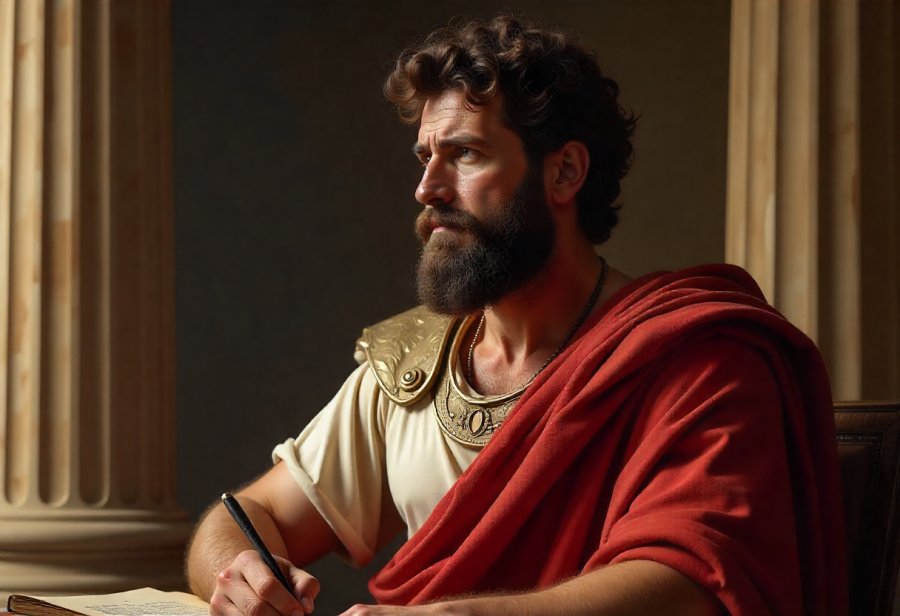
The Enduring Legacy of Inner Discipline and Self-Mastery
Inner discipline is the foundation of true strength. It guides us through life’s inevitable ups and downs, helping us stay grounded and aligned with our values. Marcus Aurelius exemplifies this perfectly, showing that genuine power doesn’t come from external dominance but from mastery over oneself. Cultivating patience, humility, and wisdom builds a resilience that lasts far beyond fleeting victories, shaping a character that endures over time.
This inner strength isn’t reserved for rulers or philosophers; it’s accessible to anyone willing to commit to the journey. Small daily acts—such as pausing before reacting, reflecting on core principles, or practicing gratitude—gradually reinforce our inner resilience. Over time, these habits transform fleeting moments of discipline into a steady, reliable force that guides our actions even in chaos. Each intentional step deepens our capacity for calm and clarity amid uncertainty.
The stories of great leaders and thinkers remind us that lasting influence often springs from the inner discipline they cultivated long before external achievements. External victories can fade, but the moral character and resilience built through inner work leave a legacy that withstands the test of time. Marcus Aurelius’s example underscores that true leadership begins with governing oneself; that internal mastery is the real source of lasting power and respect.
Recognizing this shifts our perspective on success. External accomplishments may open doors and garner applause, but without inner resilience, they lack durability. The most enduring influence comes from cultivating a resilient core—an internal compass rooted in virtue and mental fortitude. This internal foundation allows us to navigate crises with steadiness and authenticity, regardless of external circumstances.
Building this discipline is a lifelong process, not a one-time achievement. Every act of self-control, reflection, or moral clarity strengthens that inner core. As these practices become second nature, they form an unshakable base from which we face life’s storms with confidence. This ongoing effort turns resilience into a natural part of who we are, making our strength more profound and enduring.
When we prioritize inner discipline, we set an example that extends beyond ourselves. Our calm, consistent virtue inspires trust and loyalty in others, creating ripples that promote resilience and integrity across communities. Our steady influence becomes a quiet force for positive change, rooted in the discipline of the mind and spirit.
In embracing this path, we discover that true strength begins within. It’s not about external accolades or fleeting successes but about governing our minds and hearts with purpose. Inner discipline transforms chaos into clarity, fleeting victories into lasting legacies, and personal resilience into a steady foundation. By cultivating this inner power, we ensure that no external storm can truly destabilize us, leaving a mark that endures well beyond the transient world around us.