In a rapidly evolving business landscape, the power of customized telephony solutions lies in transforming communication from a routine task into a strategic advantage. Grandstream’s innovative devices, like the versatile IP phones and cloud management tools, promise streamlined deployment and effortless scalability. But are organizations truly harnessing their full potential? By tailoring features such as call routing, voicemail, and security, businesses can foster more responsive, efficient workflows—and yet many remain tethered to generic systems that hinder growth. The future beckons with AI-driven automation, smarter device management, and seamless remote connectivity, promising a smarter, more secure communication environment. However, the challenge remains: how can organizations balance technological sophistication with ease of use, ensuring their systems evolve without risking complexity or security lapses? Exploring these innovations reveals not just a path forward but a new frontier in personalized, resilient business communication.
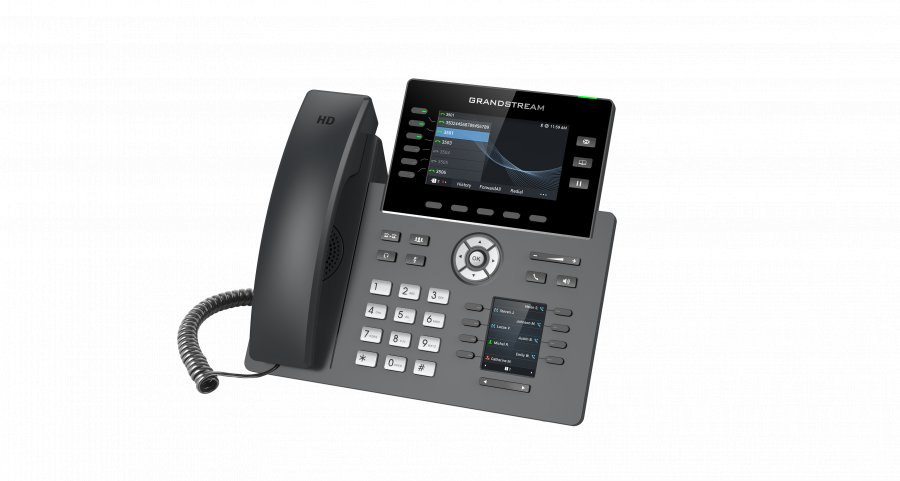
Transform Your Business Communication with Customized Telephony Solutions
In today’s fast-moving business environment, seamless and reliable communication isn’t just a perk—it’s a necessity. No matter how big or small your team is, how effectively your employees connect can directly influence your success. That’s where customized telephony solutions come into play, offering tailored systems designed specifically for your organization’s unique needs. Unlike off-the-shelf setups, these solutions are built to streamline workflows, reduce errors, and enhance overall communication efficiency.
Think of it as creating a communication infrastructure that adapts to how your business operates, rather than forcing your organization to fit into a generic system. From selecting the right devices to configuring advanced features, customization ensures every element works together smoothly. For example, Grandstream’s IP phones can be integrated into a unified platform that’s easy to manage and scale as your organization grows. This flexibility not only improves call quality but also simplifies maintenance and reduces downtime.
Customized telephony isn’t just about connecting calls; it’s about optimizing how your team interacts. When features like call forwarding, voicemail, or quick dial are personalized for each user, employees spend less time troubleshooting and more time focusing on their core tasks. This tailored approach creates a more responsive and productive workforce, capable of adapting swiftly to remote work setups or changing organizational demands.
Investing in a personalized system also lays a strong foundation for future growth. Cloud-based management platforms like GDMS allow you to expand your system, add new users, or update features without significant disruptions. As your business evolves—whether through expansion or digital transformation—your communication infrastructure can keep pace, maintaining high standards without costly overhauls.
Implementing these solutions requires careful planning. Start by evaluating your current infrastructure and identifying your specific communication needs. Choosing devices that align with your goals, such as Grandstream’s range of IP phones, is crucial. Proper deployment involves configuring your network to support voice traffic efficiently, using VLANs and Quality of Service protocols to prioritize calls and ensure clear, uninterrupted conversations. This proactive approach sets the stage for a reliable, scalable system that grows with your organization.
Mastering the Core Concepts of Modern Telephony Systems
Understanding the core concepts behind telephony systems is essential to grasp how customized communication solutions operate and why they’re so effective. At the heart of modern telephony are IP phones, devices that connect directly to the internet to transmit voice data, replacing traditional landlines. These phones use standard internet protocols, offering flexibility and high-quality communication whether in the office, working remotely, or on the go. Paired with cloud telephony platforms, they enable businesses to manage their entire phone system remotely through intuitive web interfaces, simplifying deployment and scaling as organizational needs change.
Device management systems are crucial for maintaining an efficient telephony infrastructure. They act as centralized control panels, allowing IT teams to configure, update, and monitor multiple devices simultaneously. This centralization reduces errors, streamlines onboarding, and makes it easy to deploy new devices or modify settings as your organization grows. Gaining familiarity with these basic elements—IP phones, cloud management, and device control—helps in evaluating how tailored setups, like those offered by Grandstream, can be optimized for performance, security, and ease of maintenance.
The technical backbone of current telephony systems involves connecting IP phones through network switches that handle data traffic efficiently. Configuring VLANs (Virtual Local Area Networks) helps separate voice traffic from general data, ensuring calls receive priority and are unaffected by network congestion. Implementing Quality of Service (QoS) protocols further enhances this by prioritizing voice packets, which is critical for maintaining clear, uninterrupted calls, especially in environments with high data loads or multiple remote locations. These network configurations are foundational for reliable, high-quality communication.
Another key component is SIP trunks, which act as digital lines connecting your internal PBX to the outside world over the internet. They enable scalable, cost-effective calling options and support advanced call routing and management features. Creating customized dial plans and call routing rules allows organizations to direct calls efficiently—whether to specific departments or integrated customer support systems—enhancing responsiveness and streamlining workflows. Understanding these elements helps in designing flexible, personalized communication systems that meet unique organizational demands.
Selecting and properly configuring devices is vital for a seamless user experience. Grandstream offers a diverse range of IP phones suited for different roles, from simple models for front desks to advanced multi-line phones for busy offices. Proper firmware updates, secure login credentials, and personalized feature settings ensure devices perform reliably and support your workflows effectively. When devices are well-managed and integrated into a cohesive network, they deliver consistent call quality, reduce troubleshooting time, and enable quick scaling as your organization expands.
Finally, designing your network with scalability and security in mind creates a resilient backbone for your telephony system. High-performance switches, sufficient bandwidth, and redundancy measures support growth without sacrificing call quality. Encrypting voice traffic and employing strong security practices protect conversations from cyber threats. When device management, network setup, and security are aligned, your telephony infrastructure becomes a reliable, adaptable foundation that supports ongoing communication needs—today and well into the future.

Optimizing Devices and Network Infrastructure for Peak Performance
Optimizing telephony devices and network infrastructure is crucial for delivering consistent, high-quality communication. Starting with the devices themselves, selecting the right IP phones—such as those from Grandstream’s extensive range—lays a strong foundation. Proper configuration, including timely firmware updates and customizing features like programmable keys and HD audio, ensures each device performs reliably and supports your organization’s workflows. Regular firmware updates not only patch security vulnerabilities but also introduce new features that can enhance call quality and device stability.
Network setup plays an equally vital role in maintaining clear, uninterrupted calls. Implementing VLANs to separate voice traffic from general data traffic prioritizes voice packets, reducing latency and jitter that can impair sound quality. Quality of Service (QoS) protocols further refine this by giving voice data precedence during periods of high network activity, which is essential for consistent, high-quality conversations. Ensuring your network hardware—switches, routers, and firewalls—is properly configured and up to date creates a stable backbone capable of handling increased traffic as your system expands.
Monitoring tools become invaluable for maintaining optimal performance. They enable IT teams to proactively identify issues like packet loss, latency spikes, or device misconfigurations before users experience disruptions. Continuous analysis of network traffic and device health allows for fine-tuning of settings and swift resolution of potential problems. This ongoing oversight helps keep voice quality high and minimizes downtime, especially when managing large deployments or remote sites.
Firmware management often gets overlooked but is fundamental to system reliability. Using centralized management platforms like GDMS allows automated firmware updates across all devices, ensuring they run the latest security patches and features. This uniformity prevents compatibility issues, simplifies maintenance, and reduces vulnerabilities that could compromise call quality or security. Keeping devices current is a straightforward way to sustain peak performance and protect your investment.
Designing your network with scalability and security in mind ensures your telephony system can grow seamlessly. High-performance switches, sufficient bandwidth, and redundancy measures create a resilient environment that supports expansion without sacrificing quality. Encrypting voice traffic and implementing strong security practices guard your conversations against cyber threats, whether your team is in the office or remote. When device management, network configuration, and security work hand-in-hand, your telephony infrastructure becomes a reliable, future-proof backbone for all your communication needs.
Step-by-Step Guide to Deploying Tailored Telephony Systems
Deploying a customized telephony system begins with a clear understanding of your organization’s unique communication needs. Start by assessing your current infrastructure, considering factors like the number of users, call volume, and integration requirements with other tools such as CRM or helpdesk platforms. This initial step helps you select the most suitable devices—Grandstream’s range of IP phones offers versatile options for different roles—and set realistic deployment goals, reducing the need for costly adjustments later.
Choosing the right devices is crucial for a smooth rollout. Grandstream’s IP phones are designed for easy provisioning and management, enabling quick deployment across multiple locations or remote setups. Using centralized management platforms like GDMS allows you to upload configurations, firmware updates, and security settings efficiently. Automated provisioning not only speeds up deployment but also ensures consistency, minimizing manual errors and simplifying ongoing maintenance.
Configuring your devices and network properly is essential for optimal performance. Set up VLANs to separate voice traffic from data, prioritizing voice packets with Quality of Service (QoS) protocols to prevent latency and jitter. This ensures clear, reliable calls even during peak network usage. Test each device thoroughly before going live, checking call quality and feature functionality, so any issues can be addressed proactively.
Network optimization is a key part of a successful implementation. Use high-performance switches, sufficient bandwidth, and redundancy measures to support growth and prevent disruptions. Properly securing your voice traffic through encryption and strong passwords safeguards conversations against cyber threats. This combination of hardware, configuration, and security best practices creates a resilient foundation for your communication system.
Staff training rounds out a successful deployment. Educate users on device operation, key features like voicemail and call forwarding, and troubleshooting basics. Clear, straightforward training materials encourage adoption and reduce support requests, making sure your team is comfortable and confident with the new system. When staff are engaged and informed, the system’s benefits are fully realized.
Establish ongoing management routines to keep the system running smoothly. Regular firmware updates, network monitoring, and security checks help identify and resolve potential issues before they impact users. Using GDMS for remote management simplifies these tasks, allowing IT teams to maintain system health efficiently and respond swiftly to any problems.
By following these steps—careful planning, device selection, configuration, security, training, and maintenance—you set the stage for a reliable, scalable telephony solution. This proactive approach ensures your communication infrastructure remains aligned with your evolving needs, delivering consistent, high-quality service that supports your organization’s growth and agility.

Gazing into the Future: Innovating and Securing Telephony for Tomorrow
The future of customized telephony is set to be shaped by rapid advances in cloud technology and artificial intelligence. Platforms like Grandstream’s GDMS are already streamlining device management, but upcoming systems will likely become even more intuitive, automatically adjusting to changing network conditions and user behaviors. This shift will reduce the need for manual configurations and troubleshooting, allowing organizations to focus more on strategic growth rather than technical upkeep.
Personalization will reach new levels, with systems learning individual habits and preferences. Imagine a communication setup that adapts in real time—routing calls based on your schedule, auto-adjusting audio quality, or suggesting the best features to use at any moment. AI-powered voice recognition and virtual assistants will further simplify interactions, making conversations feel more natural and less disruptive. These innovations will help organizations deliver smarter, more responsive communication experiences.
Remote work and hybrid models are here to stay, and future telephony solutions will support these flexible setups more seamlessly. Cloud-based platforms will offer secure, easy-to-manage environments that keep teams connected from anywhere. Devices will support smooth handovers between office, home, or mobile devices, ensuring conversations remain clear and confidential regardless of location. This unification will create a truly integrated communication experience that adapts effortlessly to the evolving ways people work.
Integration with Internet of Things (IoT) and smart office technology will further transform telephony. Conference phones that automatically optimize audio based on ambient noise, or desks equipped with intelligent sound management, will become standard. These enhancements will boost user satisfaction and minimize technical issues, fostering smoother collaboration. Organizations leveraging these advancements will be better positioned to innovate and stay ahead in a competitive landscape.
Security will continue to be a top priority as telephony systems grow more interconnected. Future solutions will incorporate advanced encryption, biometric authentication, and AI-driven threat detection to safeguard voice data and devices. Protecting conversations from cyber threats will be essential, especially as remote access expands. Building security into the core of these systems will ensure that organizations can rely on their communication infrastructure without risking confidentiality or compliance lapses.
Overall, the trajectory points toward smarter, more adaptable, and more secure communication systems. As technology advances, organizations will benefit from systems that not only meet current demands but also anticipate future needs—automatically scaling, customizing, and safeguarding themselves. This ongoing evolution promises to make business communication more efficient, personalized, and resilient, empowering organizations to thrive in an increasingly digital world.