Transforming Toronto yards into stunning outdoor retreats isn’t just about aesthetics; it’s a delicate balance of beauty, sustainability, and personal satisfaction. As urban dwellers seek sanctuaries amid unpredictable weather and evolving lifestyles, thoughtful design becomes essential. From selecting native plants that thrive locally to integrating eco-friendly materials and smart technology, each project aims to create resilient, low-maintenance landscapes that support both environmental health and visual appeal. But how can homeowners embrace innovations like permeable paving, rain gardens, and multifunctional spaces without sacrificing style? The future points toward smarter, more adaptable outdoor environments that blend sustainability with sophistication, transforming ordinary yards into personalized havens. As these trends evolve, the question remains: can Toronto’s outdoor spaces truly marry ecological responsibility with breathtaking beauty, ensuring they stand resilient in the face of climate challenges while enriching daily life?
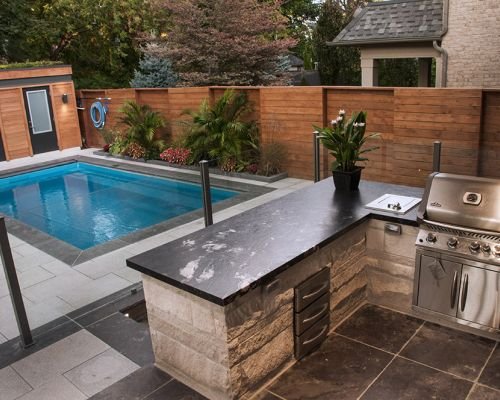
Transform Your Toronto Yard into a Personal Outdoor Sanctuary
Transforming Toronto yards into inviting outdoor retreats is more than just a trend—it’s a meaningful way to enhance daily life and add value to your home. As city dwellers spend more time at home, having a thoughtfully designed outdoor space becomes essential. A well-crafted yard offers a sanctuary for relaxation, socializing, and connecting with nature, turning a plain backyard into a true extension of your living area.
Toronto’s diverse neighborhoods and changing climate present both challenges and opportunities for yard transformations. Our weather can be unpredictable, with cold winters and humid summers, making plant and material choices critical. Native species that are adapted to the local environment require less maintenance, water, and chemicals, supporting sustainable practices while ensuring the yard remains vibrant year-round.
A successful yard transformation goes beyond planting flowers or adding a patio. It’s about creating a cohesive space where every element works together—whether that’s lush gardens, cozy seating areas, or sleek entertainment zones. Thoughtful design considers flow and function, making the yard feel welcoming and accessible. Incorporating eco-friendly features like rain gardens and permeable paving not only enhances beauty but also promotes environmental health.
Understanding what homeowners value most guides each project. Some prioritize low-maintenance landscapes, while others seek vibrant gardens that attract pollinators. Listening to these preferences ensures the design reflects their lifestyle and environmental aspirations. When a yard is personalized, it becomes more than just visually appealing—it transforms into a space people genuinely enjoy and want to use.
Creating these outdoor retreats involves careful planning and collaboration. From initial concepts to final touches, seamless communication and clear timelines keep the project on track. Working with experienced local contractors familiar with Toronto’s climate and terrain helps navigate challenges and ensures the finished space is both beautiful and durable.
Ultimately, transforming Toronto yards into outdoor retreats is an art that blends creativity with practicality. It’s about crafting spaces that balance aesthetics, sustainability, and client satisfaction. When done right, these projects become personal sanctuaries that enhance well-being, support the environment, and boost property value—making every backyard a true outdoor haven.
Embrace Eco-Friendly Principles for Sustainable Landscaping in Toronto
Sustainable landscape design centers on creating outdoor spaces that are both beautiful and environmentally responsible. A key starting point is selecting native plants that thrive naturally in Toronto’s climate. These species are well-adapted to local conditions, requiring less water, fertilizers, and pesticides. By choosing native plants, homeowners can maintain vibrant gardens with minimal chemical interventions, supporting local ecosystems and reducing maintenance efforts.
Eco-friendly materials also play a crucial role. Permeable pavers, recycled woods, and sustainable metals help lessen environmental impact while enhancing durability. These materials allow rainwater to soak into the ground, reducing runoff and erosion and easing pressure on city drainage systems. Their longevity means fewer replacements over time, which minimizes waste and supports a resilient landscape.
Water conservation techniques are vital in sustainable design. Installing rain barrels, drip irrigation systems, and drought-tolerant plants conserves resources and lowers water bills. Incorporating rain gardens that absorb and filter stormwater not only adds visual interest but also helps manage excess water during storms, preventing flooding and erosion while promoting ecological health.
Diversity in plantings enhances ecological resilience. Using a mix of textures, heights, and colors creates a layered landscape that attracts pollinators like bees and butterflies. This biodiversity enriches the yard’s visual appeal and strengthens its resistance to pests and diseases. A balanced ecosystem ensures the landscape remains healthy and vibrant through changing weather patterns.
Modern technology further supports sustainability. Automated irrigation systems that adjust based on weather conditions, solar-powered lighting, and climate sensors make yard maintenance more efficient. These innovations help reduce resource consumption and ensure the outdoor space remains lush and inviting with less effort, aligning convenience with eco-consciousness.
Long-term sustainability depends on thoughtful planning and ongoing care. Incorporating native plants, resilient materials, and water-saving features creates a landscape that endures over time. Each decision contributes to a healthier environment, supporting local wildlife and reducing the landscape’s ecological footprint.
Building a sustainable outdoor space requires understanding local conditions and committing to eco-friendly principles. By integrating native species, recycled materials, and innovative technology, homeowners can design yards that are both stunning and responsible. This approach not only benefits the environment but also ensures the landscape remains resilient and low-maintenance year after year.
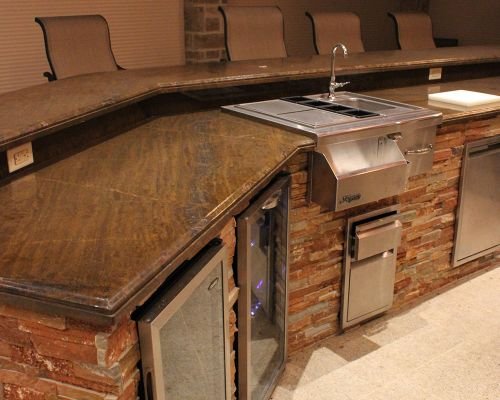
Design Strategies for Creating Stunning and Functional Toronto Outdoor Retreats
Creating a successful outdoor retreat in Toronto starts with thoughtful layout design that guides movement naturally and defines distinct zones. Whether it’s a cozy seating nook, a dining area, or a lush garden, each space should flow seamlessly into the next, making the yard feel cohesive and welcoming. Thoughtful placement of features ensures functionality without feeling crowded, creating an environment that invites relaxation and socializing.
Focal points are essential to give the yard personality and purpose. Elements like a fire pit, water fountain, or sculptural feature serve as visual anchors that draw the eye and create memorable spots. When these features complement the landscape rather than compete with it, they add harmony and a sense of balance. Carefully selecting and positioning focal points helps organize the space while enhancing its visual appeal.
Layered plantings add depth and richness to the landscape. Incorporating a variety of textures, colors, and heights creates a vibrant tapestry that draws visitors in and encourages exploration. Thoughtful lighting highlights these layers and extends usability into the evening, transforming the yard into a cozy, inviting retreat after sunset. Effective plant placement and lighting work hand in hand to craft a refined, relaxing atmosphere.
Privacy is a key element in designing an outdoor oasis. Strategic planting, fencing, or architectural screens can create a sense of enclosure, helping homeowners feel secure and at ease. Positioning seating areas for optimal sun exposure or shade boosts comfort and usability. Choosing low-maintenance plants and durable materials ensures the space remains beautiful and functional with minimal upkeep, making it a true extension of everyday life.
Practical design features support smooth daily use. Pathways that prevent trampling, furniture arrangements that facilitate conversation, and easy access to different zones all contribute to a user-friendly yard. Every element should serve a purpose, supporting both comfort and aesthetics. This user-centric approach ensures the outdoor space becomes a natural haven for relaxation and gatherings.
Innovative features can elevate a backyard from ordinary to extraordinary. A fire pit creates a cozy gathering spot, water features add a calming ambiance, and well-placed lighting extends the space’s usability into the evening. These elements should be integrated seamlessly into the overall design, enhancing the yard’s functionality without feeling out of place. When executed thoughtfully, they turn the outdoor retreat into a personalized sanctuary.
A well-designed yard balances beauty and practicality effortlessly. It reflects the homeowner’s lifestyle and personal taste while supporting environmental sustainability. By integrating these core principles—clear layout, focal points, layered plantings, privacy, functionality, and innovative features—Toronto yards transform into stunning outdoor retreats that are as inviting as they are eco-conscious. This harmony between form and function creates a space that’s not only visually appealing but also a true sanctuary to enjoy year-round.
Streamlining Your Yard Transformation: From Planning to Perfect Installation
Ensuring a smooth outdoor renovation in Toronto begins with clear communication and detailed planning from the start. Involving the homeowner early helps capture their priorities, lifestyle needs, and environmental goals, setting a solid foundation for the project. Sharing visual tools like sketches or digital renderings can clarify design options, build confidence, and align expectations, making the process more collaborative and less stressful.
Once the design is set, creating a comprehensive schedule and coordinating with experienced contractors keeps everyone on track. Breaking the project into manageable phases with realistic timelines prevents delays and allows for adjustments along the way. Regular site visits and updates during installation help catch issues early—whether it’s weather setbacks or material shortages—so they can be addressed promptly without compromising the overall vision.
Open, ongoing communication is key throughout the process. When homeowners feel involved and informed, they’re more satisfied with how the project unfolds. Addressing concerns early, being transparent about costs and timelines, and sharing progress builds trust. This transparency helps prevent misunderstandings and keeps the entire team focused on the shared goal of a beautiful, functional outdoor space.
Toronto’s unpredictable weather can pose challenges, so scheduling work during optimal seasons and building in buffer time are smart moves. Local soil conditions or underground utilities might require adjustments, so partnering with experienced local contractors familiar with these quirks ensures smooth handling of unforeseen issues. Their expertise helps keep the project moving forward without sacrificing quality or design integrity.
Quality control should be a priority at every stage. From selecting durable materials to overseeing craftsmanship, regular inspections ensure the work meets high standards. This attention to detail prevents costly fixes later and guarantees the final landscape aligns with the original plan. A well-managed installation process transforms the design into a lasting outdoor retreat that homeowners will enjoy for years.
A seamless project turns what can be a stressful process into a positive experience. When designers, contractors, and homeowners work together openly, the transformation becomes a true partnership. Proper planning, clear communication, and vigilant oversight not only produce a stunning result but also make the journey enjoyable. The outcome is a durable, beautiful outdoor space that reflects the homeowner’s vision and stands up to Toronto’s changing seasons.
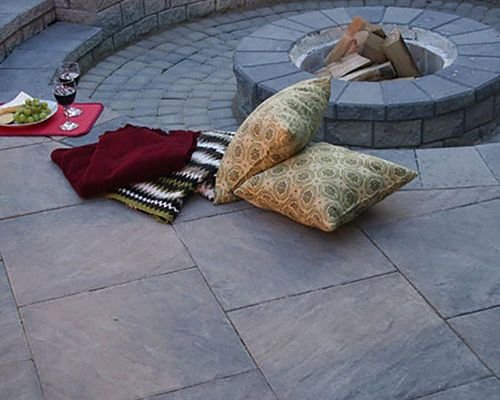
Exploring Future Innovations Shaping Toronto’s Outdoor Living Spaces
Looking ahead, Toronto’s outdoor landscaping scene is poised for exciting innovations that blend technology with creative design. Smart features like automated irrigation, solar-powered lighting, and climate sensors are becoming more accessible, making yard maintenance easier and more efficient. These tools help homeowners keep lush, vibrant gardens while conserving water and energy, aligning with Toronto’s growing emphasis on sustainability. As affordability and user-friendliness improve, expect to see more outdoor spaces that incorporate these high-tech elements seamlessly into their aesthetics.
New materials are also set to reshape outdoor design. Recycled composites, biodegradable plastics, and other eco-conscious products are gaining popularity, offering durability without sacrificing environmental responsibility. These options enable homeowners to craft stylish, resilient landscapes that leave a smaller ecological footprint. Weather-resistant furniture, permeable paving, and sustainable decking are just a few ways these materials support creative, eco-friendly features that enhance both functionality and style.
Design philosophies are shifting toward flexible, multifunctional outdoor areas that adapt to modern lifestyles. Instead of static layouts, future yards will prioritize versatility—spaces that serve as quiet retreats, outdoor workspaces, or lively social hubs. Integrating natural elements with smart technology will maximize usability and aesthetic appeal, allowing homeowners to tailor their outdoor environments to their routines and personal tastes while maintaining visual harmony.
Climate resilience is becoming a core focus as weather patterns grow more unpredictable. Native plants, rain gardens, and permeable surfaces will be standard features, helping manage stormwater, prevent erosion, and maintain year-round beauty. These resilient landscapes are designed to withstand environmental fluctuations, ensuring outdoor retreats remain vibrant and functional despite climate challenges. Water management innovations will play a vital role in keeping these spaces sustainable over time.
Eco-friendly aesthetics will continue to dominate, with solar lighting, energy-efficient appliances, and recycled furniture seamlessly integrated into landscape designs. The goal is to create outdoor retreats that are as environmentally responsible as they are beautiful. This harmony between sustainability and style will define the next wave of Toronto landscaping, encouraging designs that support eco-conscious living without sacrificing visual appeal.
As these trends evolve, local nurseries, landscape associations, and online communities will provide more resources, workshops, and expert advice. Sharing knowledge and experiences will empower homeowners to confidently adopt new ideas, fostering a culture of innovation and resilience. This collective effort will inspire more creative, sustainable outdoor retreats that elevate Toronto’s landscape and set new standards for responsible design.
Overall, the future of outdoor landscaping in Toronto lies in merging cutting-edge technology with timeless design principles. The landscapes of tomorrow will be smarter, more durable, and deeply rooted in sustainability. They will reflect a shift toward spaces that support both environmental health and personal well-being, making outdoor retreats not just beautiful but truly resilient and functional. This ongoing evolution promises to transform every backyard into a sophisticated, eco-friendly haven that adapts effortlessly to the city’s changing climate and lifestyle needs.