




Learning to drive is a pivotal milestone, loaded with both excitement and deep-seated nerves. For teens, this journey symbolizes independence, yet beneath the surface lies a complex web of internal fears—doubts, peer judgment, and perfectionism—that can undermine confidence. How can supportive guidance, gradual exposure to challenging scenarios, and positive reinforcement transform anxiety into assurance? This content explores the emotional and psychological hurdles teens face and offers practical strategies—like step-by-step practice, peer support, and innovative tools such as simulation technology—to cultivate resilience and trust in their abilities. As they navigate the road to independence, the journey becomes less about avoiding mistakes and more about embracing growth. With patience, empathy, and modern resources, teens can develop not only safe driving skills but a resilient mindset that prepares them for broader life challenges—leaving readers wondering how future innovations will further empower young drivers on their path to confidence.
Empowering Teens: Navigating the Journey to Driving Confidence
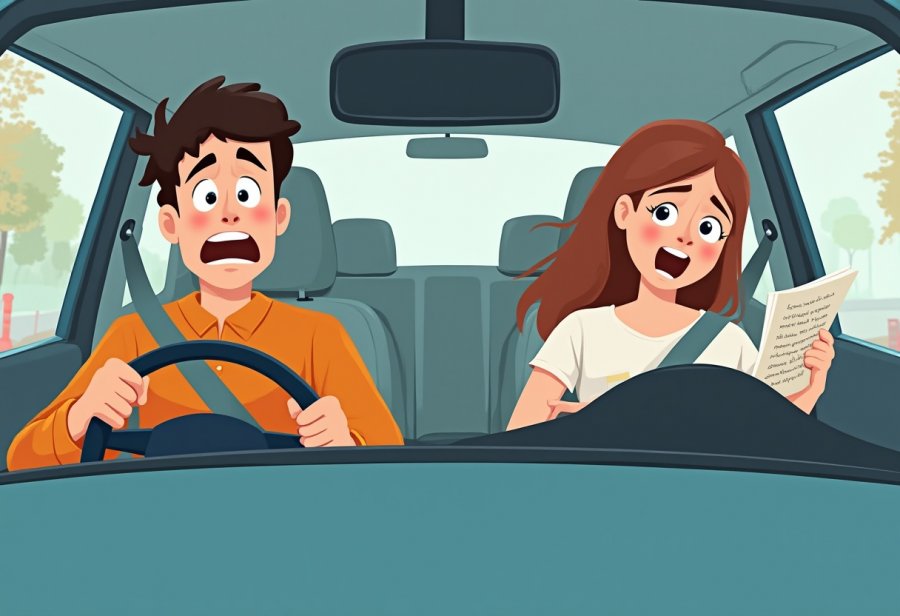
Learning to drive is a major milestone, often filled with a mix of excitement and nerves. For teens, it symbolizes newfound independence and the freedom to explore on their own. But behind the wheel, the experience can feel overwhelming. Many young drivers grapple with a sense of responsibility that’s bigger than they expected, and their nerves can quickly take over. Anxiety about making mistakes or causing an accident often clouds their confidence, making each driving session feel more intimidating.
This emotional side of learning to drive is just as important as mastering the mechanics. Teens aren’t just learning how to steer or brake—they’re also navigating feelings of self-doubt, fear of judgment, and internal pressure to perform perfectly. Worries about how friends or family will perceive their skills can add to their stress, sometimes making them hesitant or overly cautious. These feelings aren’t signs of failure; they’re natural parts of the growth process that can be addressed with patience and support.
Building confidence on the road takes time and repeated practice. Early on, simple exercises in calm environments help teens get comfortable with essential skills like steering, braking, and parking. Success in these small steps reinforces their belief in their abilities and reduces initial anxiety. As they progress, gradually introducing more challenging situations—such as navigating intersections or merging onto highways—helps them develop trust in their judgment and adaptability.
Support from trusted adults plays a vital role. Positive reinforcement, gentle guidance, and celebrating small wins encourage teens to see setbacks as part of learning rather than failures. When they understand that nerves are normal and that confidence grows through experience, they’re more willing to face new challenges. Over time, each successful drive shifts their mindset from fear to reassurance, transforming hesitation into a quiet, steady confidence.
It’s also crucial to recognize that emotional hurdles don’t disappear overnight. They evolve as teens encounter different driving scenarios and social pressures. Developing resilience means helping them manage their fears, stay calm in stressful situations, and trust their skills. This internal strength isn’t just about becoming a better driver; it’s about cultivating a mindset that can handle life’s uncertainties—both behind the wheel and beyond.
Step by Step: Building Trust and Skill Through Practice
Building confidence behind the wheel is a gradual process that thrives on consistent practice and positive guidance. Starting with simple exercises in quiet, familiar environments allows teens to focus on mastering basic skills like steering, braking, and parking without feeling overwhelmed. Achieving success early on helps reinforce their belief in their abilities, reducing those initial jitters and building a solid foundation of trust in their driving skills.
As teens become more comfortable, gradually exposing them to more complex scenarios keeps the learning engaging and realistic. Navigating busy intersections, merging onto highways, or driving in different weather conditions introduces new challenges that foster adaptability. Celebrating small wins—like executing a smooth lane change or confidently handling a roundabout—boosts motivation and reinforces their sense of achievement. These moments become stepping stones that gradually expand their comfort zone.
Supportive feedback plays a key role. Instead of dwelling on mistakes, guiding adults highlight what teens do well and offer gentle suggestions for improvement. This positive reinforcement helps teens see setbacks as opportunities to learn rather than failures. When encouragement follows each success, it strengthens their trust in their own judgment, making them more willing to take on new challenges and push their boundaries.
Consistency is just as crucial as variety. Regular, even short, practice sessions help develop muscle memory and automatic responses. Over time, reactions become more fluid, hesitation diminishes, and confidence naturally grows. Each session builds on the last, transforming initial doubts into a quiet confidence that they can handle real-world driving situations. This steady progress helps teens view driving as something within their control, rather than an intimidating unknown.
Focusing on specific areas—like handling traffic, navigating tricky situations, or parking in tight spaces—prepares teens for the variety of environments they’ll encounter. Teaching them to stay calm and focused in these scenarios fosters resilience and competence. When teens see their skills improve step by step, they develop a stronger belief in their ability to manage challenges independently.
Setting small, achievable goals provides clear markers of progress. Mastering one milestone, such as merging onto a highway, before moving to the next, like night driving, prevents overwhelm. These incremental achievements build confidence and keep motivation high. As teens check off each goal, they start to see driving as a skill they can master, turning nerves into assurance and independence.

Inner Battles: Understanding Teens’ Emotional and Psychological Challenges
Teenagers often face a complex web of internal struggles that can significantly impact their confidence behind the wheel. Feelings of self-doubt and fear of failure are common, especially when they’re just starting out. Worrying about making mistakes—such as hitting a curb or causing an accident—can create mental barriers that make them hesitant and overly cautious. These fears don’t fade quickly; they tend to linger, fueling anxiety that hampers progress and clouds their judgment.
Many teens also battle the fear of judgment. Peer opinions, parental expectations, and their own high standards add layers of pressure. They might worry about how friends or family perceive their driving skills, fearing embarrassment or criticism if they slip up. This internal pressure often leads to driving more cautiously—sometimes to the point of paralysis—or rushing through lessons to prove themselves. Such conflicts can make the learning process feel overwhelming rather than empowering.
Emotional stressors like peer pressure and perfectionism further complicate their experience. When teens feel they need to impress others or meet unrealistic standards, their confidence takes a hit. They become hyper-aware of every minor mistake, which increases anxiety and makes it harder to stay calm. The mental toll of these struggles can create a cycle where nerves intensify with each driving attempt, making progress feel even more daunting.
Supporting teens in this internal landscape involves normalizing their feelings. When they understand that nerves are a natural part of learning—and that everyone experiences setbacks—they can begin to reframe their perspective. Encouragement from trusted adults plays a key role here, showing them that mistakes are opportunities to learn rather than signs of failure. Teaching teens to manage their thoughts and emotions helps prevent anxiety from taking over, fostering resilience and patience.
Building emotional resilience isn’t just about handling driving challenges; it’s about developing a mindset that can face uncertainties beyond the road. As teens confront internal fears and self-doubt, each victory—no matter how small—becomes a stepping stone toward confidence. Over time, they learn to regulate their feelings and trust in their abilities, transforming nervous energy into quiet assurance. This internal growth not only makes them better drivers but also equips them with life skills for future challenges.
In essence, addressing the internal struggles teens face is crucial for cultivating genuine confidence. It’s about helping them see themselves as capable and resilient, even amid uncertainty. When teens learn to navigate their internal landscape alongside their driving skills, they develop not just independence behind the wheel but a stronger sense of self. Their journey becomes less about avoiding mistakes and more about embracing growth, paving the way for confident, self-assured drivers—and individuals—ready to face whatever comes next.
Supporting Growth: Practical Strategies for Parents, Instructors, and Peers
Supporting teens as they learn to drive involves creating an environment that nurtures confidence and encourages growth at every stage. Parents play a vital role by practicing patience and framing feedback in a positive, constructive way. Instead of focusing solely on mistakes, highlighting what their teen is doing well and setting small, manageable goals can significantly boost motivation. Celebrating simple successes, like a smooth stop or a confident lane change, reinforces good habits and helps teens see their progress, reducing anxiety and building trust in their abilities.
Driving instructors also shape this experience by designing lessons that feel approachable and safe. Breaking complex skills into smaller steps allows teens to build competence gradually without feeling overwhelmed. Emphasizing safety and calmness during lessons fosters a positive attitude toward learning. When teens recognize their progress through small wins, they become more willing to tackle new challenges and develop their skills with confidence. Supportive feedback that highlights strengths alongside gentle suggestions for improvement encourages resilience and persistence.
Peers can serve as powerful allies in boosting confidence. Hearing stories from friends who recently learned to drive or who feel secure behind the wheel normalizes nerves and creates camaraderie. Sharing experiences about overcoming mistakes or handling difficult situations helps teens understand that setbacks are part of the process, not failures. Peer support reduces feelings of isolation and offers reassurance that everyone progresses at their own pace. This sense of community can inspire teens to stay motivated and view challenges as opportunities for growth.
In addition to direct practice, tools like driving apps, checklists, and online resources can support skill development outside of actual driving sessions. These tools help teens track their progress, set goals, and prepare for upcoming lessons. Interactive simulations and quizzes make learning engaging and help them reinforce traffic rules and decision-making skills in a low-pressure environment. Establishing routines such as pre-drive check-ins or post-drive reflections fosters mindfulness and helps manage nerves, turning practice into a structured, confidence-building habit.
Finally, integrating technology like virtual reality or driving simulators offers a safe space for teens to practice challenging scenarios without real-world risks. These innovations can reduce anxiety and prepare them for the unpredictability of actual traffic, making their learning journey smoother. When combined with ongoing emotional support, consistent encouragement, and clear communication, these approaches help teens transform nervousness into genuine confidence. Creating a supportive, varied, and positive learning environment ensures that young drivers develop not only technical skills but also resilience and self-trust—key ingredients for safe, independent driving and lifelong growth.

Looking Ahead: Future Opportunities to Foster Teen Driving Confidence
Building driving confidence in teens is a journey that blends patience, structured practice, and emotional support. As we’ve seen, helping young drivers face their fears, set achievable goals, and foster a sense of empowerment are essential steps in transforming nerves into genuine self-assurance behind the wheel. When trusted adults provide encouragement and create opportunities for small successes, teens start to view mistakes as natural parts of learning rather than failures. This positive reinforcement builds a foundation of trust and motivation, making each step forward feel manageable and worth celebrating.
Looking ahead, technology offers exciting tools to further support teen drivers. Advanced driver-assist systems such as collision warnings and automatic braking can serve as safety nets, helping teens navigate challenging situations while building their confidence. Virtual reality and driving simulation programs are becoming more accessible and realistic, giving teens a risk-free environment to practice decision-making and handle difficult scenarios. These innovations can reduce anxiety and prepare them more effectively for the unpredictability of real traffic, smoothing the path toward independence.
Open communication between teens, parents, and instructors remains vital. When young drivers feel heard and supported, they’re more willing to share their fears and seek guidance. This ongoing dialogue encourages a growth mindset, allowing tailored strategies that address both technical skills and emotional resilience. As awareness of mental health and self-confidence grows, future approaches could include targeted coaching that helps teens manage internal struggles alongside their practical learning, fostering well-rounded, confident drivers.
Educational policies also have a role in shaping safer, more confident teen drivers. Comprehensive driver education programs that emphasize emotional readiness, resilience, and realistic goal-setting complement traditional traffic rules instruction. Policies promoting gradual exposure, extended supervised practice, and mentorship create a supportive environment where teens can develop skills and confidence simultaneously. When these elements are integrated into formal training, we set the stage for not only safer roads but also resilient individuals prepared for life’s broader challenges.
Supporting teen confidence behind the wheel isn’t a one-time effort but an ongoing process that benefits from the combination of proven strategies and emerging innovations. Patience, empathy, and continuous learning turn nervous beginners into capable, self-assured drivers. Investing in technology, fostering open dialogue, and enhancing educational approaches all contribute to a foundation where teens can grow into responsible adults, confident both on and off the road. This holistic support ensures they develop the resilience and independence necessary for a lifetime of safe driving and personal growth.