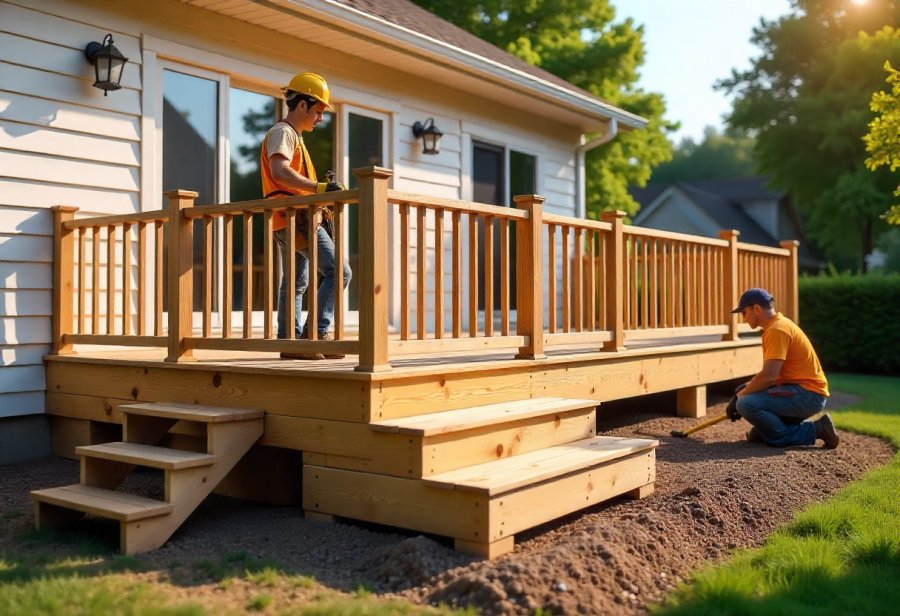
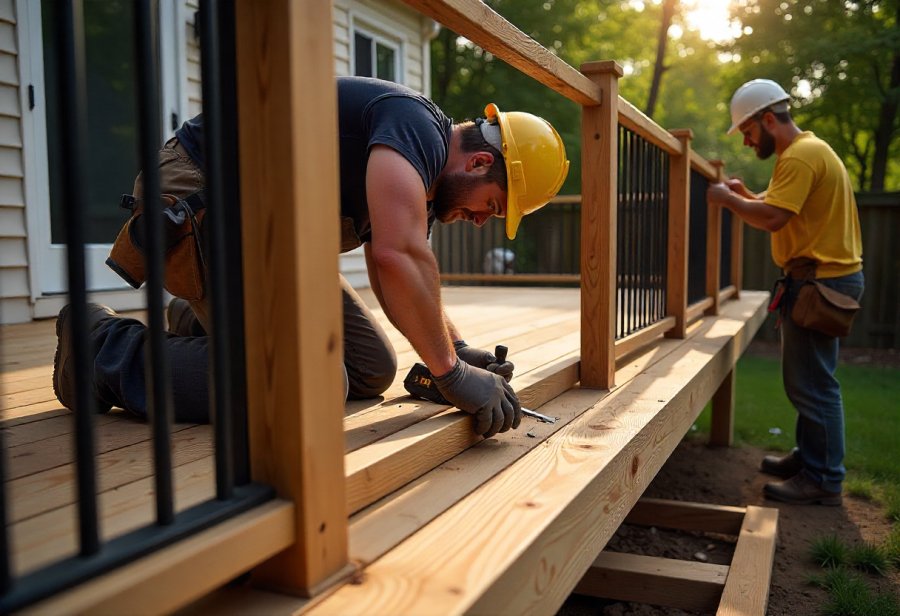
Transforming Toronto yards into stunning outdoor retreats is more than just aesthetics—it’s a delicate balance of beauty, sustainability, and client satisfaction. As urban life intensifies, homeowners seek personalized sanctuaries that thrive in Toronto’s climate, using native plants and eco-friendly materials to craft resilient, low-maintenance landscapes. But how do designers seamlessly integrate these elements while ensuring long-term resilience and visual appeal? This guide explores innovative strategies, from detailed planning and sustainable material choices to phased installations that adapt to unpredictable weather. With a focus on ecological responsibility and timeless design, these landscapes not only elevate property value but foster environmental stewardship. Will future trends embrace smart technology, renewable energy, and adaptable layouts to make outdoor spaces even more sustainable? The evolving landscape of outdoor design promises to marry aesthetics with ecological consciousness—transforming yards into personal sanctuaries that reflect values and resilience in a changing world.
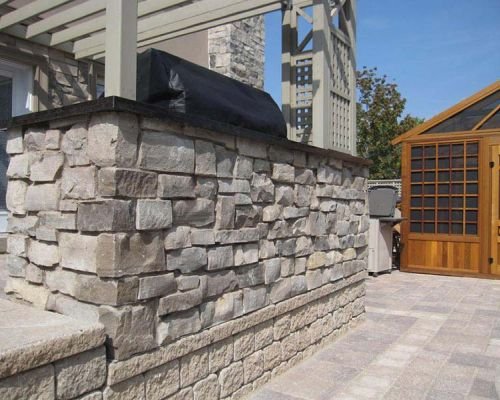
Transforming Toronto Backyards into Personal Sanctuaries
In Toronto, outdoor spaces have taken on a new level of importance. No longer just patches of grass behind homes, yards are now seen as essential extensions of our living environments—places to relax, entertain, and reconnect with nature right outside the door. As city living becomes more crowded, residents are eager to transform these small but vital areas into inviting retreats that combine beauty with practicality.
This trend reflects a broader desire to escape the hustle of urban life without leaving the city. People want outdoor spaces that are not only visually appealing but also sustainable and low-maintenance. Native plants, durable materials, and smart design choices are increasingly common, helping homeowners create landscapes that thrive in Toronto’s climate while supporting local ecosystems.
Creating a successful outdoor retreat involves thoughtful planning. It’s about balancing aesthetic appeal with functionality—designing spaces that are tailored to the homeowner’s lifestyle, whether that means lush gardens, sleek patios, or a mix of both. Properly executed, these upgrades can enhance property value and make daily life more enjoyable.
The appeal of backyard transformations lies in their capacity to reflect personal style and environmental responsibility. Every homeowner envisions something unique—whether it’s a peaceful garden, a modern hardscape, or a combination of the two—and the right design can make that vision come to life. By incorporating native plants and eco-friendly materials, these outdoor spaces become authentic, meaningful retreats that stand the test of time.
Toronto’s climate adds an extra layer of challenge and opportunity. Designing for cold winters and humid summers requires selecting resilient plants and materials that can handle seasonal shifts. When done well, these landscapes become resilient havens, providing year-round beauty and utility.
Ultimately, transforming outdoor spaces in Toronto isn’t just about aesthetics. It’s about creating sustainable, adaptable environments that enhance daily living while respecting the environment. With careful planning and a focus on local conditions, yards become more than just outdoor areas—they become personal sanctuaries that combine comfort, beauty, and environmental consciousness.
Principles of Eco-Friendly Landscape Design
Sustainable landscape design focuses on creating outdoor spaces that are both beautiful and environmentally responsible. A key principle is selecting native and climate-adapted plants that naturally flourish in Toronto’s environment. These choices require less water, fewer fertilizers, and minimal chemicals, making maintenance easier while supporting local ecosystems. When plants are well-suited to the climate, they become more resilient against pests and extreme weather, reducing the need for chemical interventions and conserving resources.
Incorporating eco-friendly materials is equally crucial. Using permeable paving, recycled stone, and locally sourced wood helps manage stormwater runoff, prevent erosion, and minimize waste. These materials are durable, weather-resistant, and add visual interest, ensuring landscapes can withstand Toronto’s seasonal shifts. Choosing sustainable options not only benefits the environment but also enhances the long-term durability of outdoor spaces.
Design practices that conserve energy and promote biodiversity play a vital role. Strategically placing trees and shrubs provides natural shade and windbreaks, lowering heating and cooling costs for nearby structures. Creating habitats with native plants attracts pollinators and birds, enriching local biodiversity and supporting healthy ecosystems. These thoughtful choices make landscapes more resilient and ecologically beneficial, adding both beauty and ecological value.
Balancing aesthetics and sustainability involves careful planning. Hardscape elements like patios and pathways should complement softscape features such as planting beds, creating harmony and flow. Thoughtful zoning allows for inviting areas dedicated to lounging, dining, or gardening—all while respecting ecological principles. This integrated approach results in yards that are not only visually stunning but also functional and eco-friendly.
Achieving lasting sustainability requires ongoing care. Practices like mulching, organic fertilizing, and efficient watering help maintain vibrancy and reduce resource use. Regular monitoring and adjustments, such as replacing stressed native plants, ensure the landscape remains resilient over time. Maintenance routines that prioritize organic methods support the health of the environment and make yard care more manageable.
By prioritizing native plants, eco-friendly materials, and thoughtful design, homeowners in Toronto can develop outdoor retreats that are both captivating and sustainable. These landscapes serve as personal sanctuaries and contribute positively to local ecosystems, reinforcing the importance of environmentally conscious choices. When landscapes are designed with care and foresight, they become resilient, eco-friendly spaces that enhance daily life and support a healthier planet.
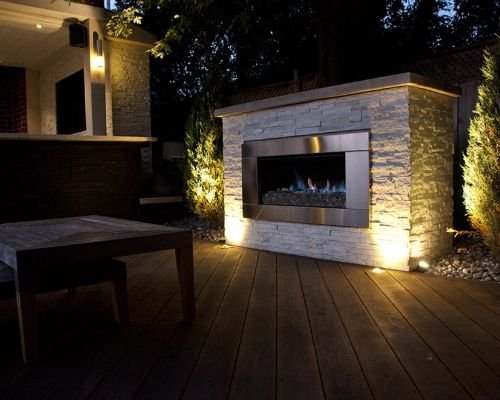
Step-by-Step Strategies for a Seamless Outdoor Makeover
Planning a backyard transformation in Toronto begins with a clear understanding of the space and its unique conditions. Walk through the yard, taking note of existing features, drainage issues, soil quality, and how sunlight and wind move across the area. This initial step helps set realistic goals and guides your choices in plants, materials, and layout. Knowing these details upfront makes the entire design process more efficient and tailored to the site’s specific needs.
Once you have a grasp of the space, develop a detailed plan that reflects your style and practical considerations. Whether you envision lush gardens, sleek patios, or a combination of both, keep Toronto’s climate front and center. Opt for native plants and weather-resistant materials that thrive with minimal upkeep. Visualize how different zones—like lounging spots, dining areas, or garden beds—will come together to create a balanced, inviting environment.
Sourcing quality, eco-friendly materials is the next critical step. Durable options like permeable pavers, recycled stone, and locally sourced wood not only support sustainability but also add visual interest. Partnering with experienced contractors familiar with Toronto’s conditions ensures each phase—from grading to planting—progresses smoothly. Clear communication helps keep expectations aligned and allows for adjustments along the way.
Timing is vital. Break the project into phases, from excavation and grading to planting and finishing touches, and build in buffer time for weather-related delays. Toronto’s unpredictable weather means flexibility is key to staying on schedule. Regular check-ins during installation help catch issues early, whether it’s adjusting plant placement or reinforcing drainage, saving time and avoiding costly fixes later.
During installation, attention to detail makes a big difference. Proper grading directs water away from structures and roots, preventing future problems. Precise placement of plants and hardscape elements creates harmony and flow, giving your yard a polished look. Routine inspections during each stage help identify minor issues early—small tweaks here and there can significantly enhance the long-term health and beauty of your outdoor space.
Finishing touches like lighting, furniture, and decorative accents bring your design to life. Choose sustainable options—energy-efficient LEDs, recycled materials, native plants—that complement your overall vision. These details elevate the aesthetics and reinforce your commitment to eco-friendly living, making your yard not just beautiful but also practical and inviting. Developing a maintenance routine that includes organic fertilizing, mulching, and pruning will keep your landscape vibrant over time.
Staying engaged after the project wraps up is essential. Regular care, seasonal tweaks, and ongoing monitoring of plant health ensure your yard remains resilient and beautiful year-round. This proactive approach protects your investment and transforms your outdoor space into a personal sanctuary—one that continues to serve your lifestyle, reflect your values, and support a sustainable future.
Turning Design Ideas into Reality: Practical Tips and Tricks
Turning landscape designs into reality requires careful planning and a clear understanding of practical steps. Starting with durable, eco-friendly materials that match the scope of your project ensures long-lasting beauty and functionality. Permeable pavers, recycled stone, and locally sourced wood are excellent choices that support sustainability while enhancing your yard’s visual appeal. Working with experienced contractors familiar with Toronto’s climate and eco-practices helps keep each phase on track, from grading to planting, and ensures quality workmanship.
Managing timelines and budgets effectively is key to avoiding surprises. Unexpected issues like poor soil quality, underground utilities, or drainage problems often emerge during construction. Having contingency plans in place allows your project to adapt quickly without losing momentum. Regular communication with your team keeps everyone aligned, reducing misunderstandings and making adjustments smoother as work progresses.
Site conditions rarely match initial expectations perfectly. When unforeseen challenges arise—such as difficult soil or drainage issues—quick, strategic adjustments like rerouting drainage or improving soil quality become necessary. Toronto’s unpredictable weather further complicates scheduling, making flexible timelines essential. Planning work during optimal weather windows minimizes delays and protects the integrity of your landscape.
Attention to detail during installation makes a significant difference. Proper grading directs water away from structures and plant roots, preventing future issues. Precise placement of plants and hardscape elements creates harmony and a polished appearance. Routine inspections during each stage help spot minor problems early, saving you time and money. Small tweaks, like adjusting plant spacing or reinforcing drainage, can greatly enhance your yard’s long-term health.
Finishing touches such as lighting, furniture, and decorative accents bring your vision to life. Opt for sustainable options—energy-efficient LEDs, recycled materials, native plants—that complement your overall aesthetic. These details elevate your outdoor space, making it more inviting and functional. Developing a maintenance routine that includes organic fertilizing, mulching, and pruning ensures your landscape remains vibrant and healthy over time.
Post-installation care is crucial for lasting beauty. Regular watering, seasonal pruning, and mulching help plants thrive and keep weeds at bay. Monitoring plant health and making small adjustments—like replacing stressed native species—supports resilience. Consistent upkeep prevents issues from developing into bigger problems and preserves your landscape’s integrity.
Staying engaged after the project ends keeps your yard thriving. Seasonal tweaks and routine inspections adapt your landscape to changing conditions, ensuring it remains a personal sanctuary year-round. This ongoing commitment protects your investment and sustains the beauty and functionality of your outdoor retreat, making it a true extension of your home that aligns with your environmental values.
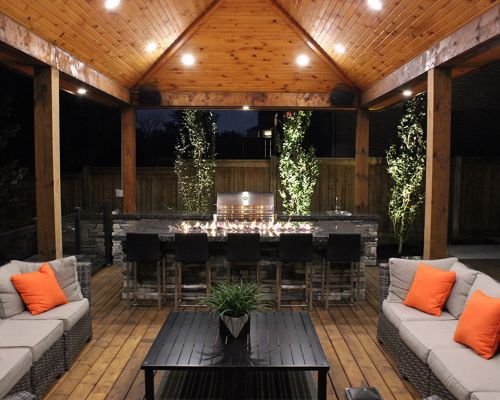
Future Trends in Sustainable Outdoor Spaces in Toronto
As homeowners and designers continue to prioritize eco-friendly practices, the future of outdoor space in Toronto looks both innovative and sustainable. Expect to see more use of native plants, recycled materials, and smart technology that makes maintaining beautiful yards easier and more efficient. These trends not only help reduce environmental impact but also create resilient landscapes that can better withstand Toronto’s seasonal shifts.
Modular and adaptable designs will grow in popularity, giving homeowners the flexibility to reconfigure their outdoor spaces as their needs change. Incorporating renewable energy solutions, like solar-powered lighting or wind energy, will further enhance eco-consciousness while reducing energy costs. Climate-responsive landscapes that adapt to shifting weather patterns will ensure outdoor retreats remain functional and inviting year-round, reinforcing the importance of resilience in design.
Technology will play an increasingly vital role. Automated irrigation systems, smart lighting controls, and climate management tools will streamline maintenance, conserve water, and optimize energy use. These innovations make it easier to sustain a lush, attractive yard without demanding excessive time or resources, aligning outdoor spaces with broader sustainability goals. As these tools become more accessible, they will empower homeowners to take a more active role in caring for their landscapes.
Materials will continue to shift toward recycled and locally sourced options, helping reduce the carbon footprint of landscape projects. Native plants will remain a cornerstone, supporting biodiversity and requiring less water, fertilizers, and chemical treatments. This responsible approach to landscaping not only benefits the environment but also ensures that outdoor spaces are durable, adaptable, and visually appealing over time.
For those planning future projects, staying informed about emerging trends allows for smarter, more sustainable choices. Whether it’s selecting native flora, integrating energy-efficient lighting, or designing flexible layouts, each decision contributes to a greener, more resilient yard. By embracing these innovations now, Toronto residents can craft outdoor retreats that serve as personal sanctuaries while supporting a healthier planet.
In the end, the evolving landscape of outdoor design will blend aesthetics with ecological responsibility more seamlessly than ever before. These spaces will become vital reflections of their owners’ values—beautiful, functional, and environmentally conscious. By prioritizing sustainability alongside creativity, Toronto’s outdoor retreats will not only elevate property values but also contribute to a more sustainable future for the city and beyond.